Extraversion vs Introversion Psychology: What the Difference Really Means

Extraversion vs Introversion Psychology: What the Difference Really Means featured image
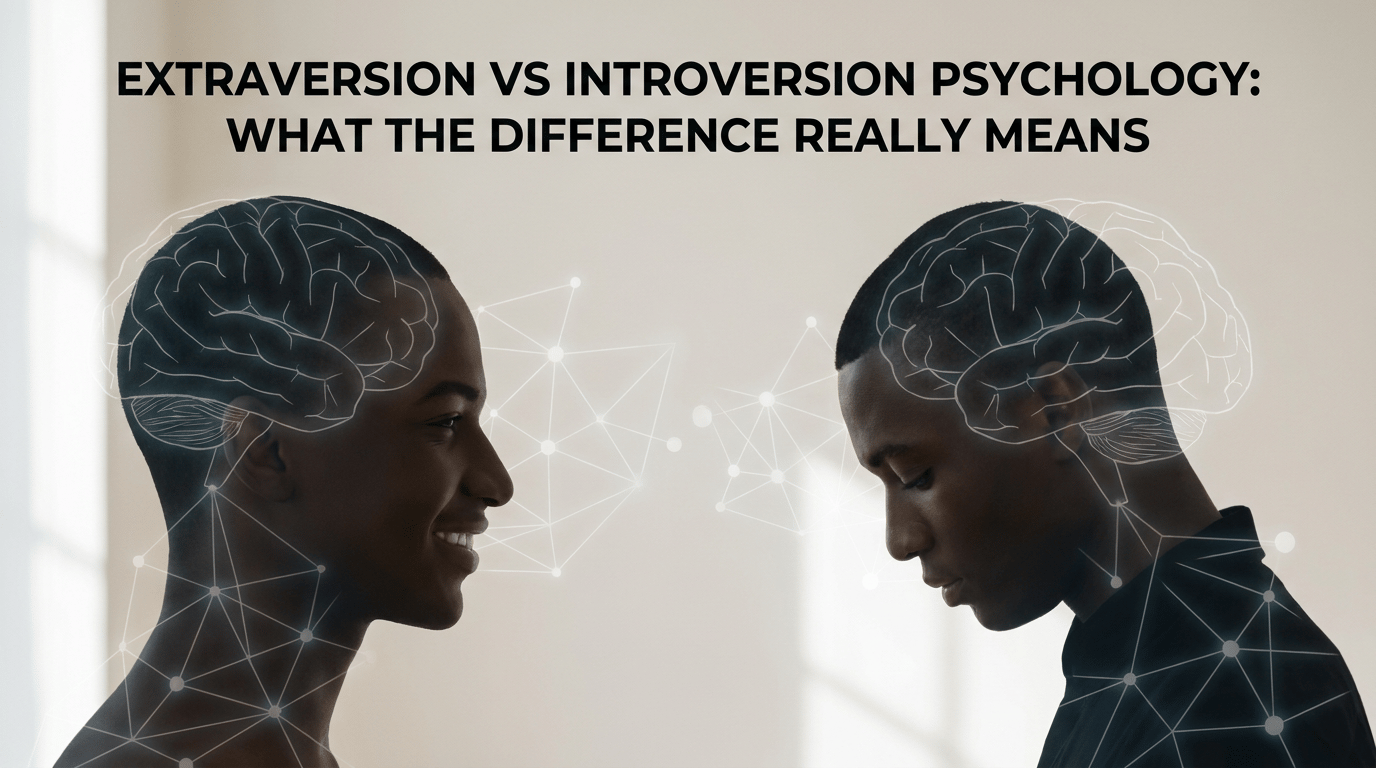
Many people use the words introvert and extravert as shortcuts for quiet and loud, private and social, shy and confident. That is easy to understand, but it is not accurate enough. In personality psychology, extraversion and introversion describe a broader pattern: how much stimulation a person tends to seek, how they often engage with the … Read more


Conscientiousness Personality Trait: What It Means for Structure, Responsibility, and Follow-Through

Conscientiousness Personality Trait: What It Means for Structure, Responsibility, and Follow-Through featured image

Some people seem to create order almost automatically. They remember deadlines, prepare early, keep promises, and feel uncomfortable when tasks are left unfinished. Other people may have good intentions but struggle to turn those intentions into consistent action. They may start quickly, improvise well, or resist rigid systems, yet still feel frustrated when follow-through falls … Read more

Openness Personality Trait: What High and Low Openness Really Mean

Openness Personality Trait: What High and Low Openness Really Mean featured image

Some people feel most alive when they are learning something unfamiliar, trying a new route, playing with ideas, or imagining a different way to live. Other people feel calmer when life has proven routines, clear expectations, and practical reasons for change. The openness personality trait helps explain that difference without turning either side into a … Read more

Big Five Personality Traits: A Practical Guide to the OCEAN Model

Big Five Personality Traits: A Practical Guide to the OCEAN Model featured image

The Big Five personality traits are useful because they describe personality as a set of broad patterns, not as a fixed label. Instead of telling you that you are one “type” of person, the Big Five gives you five dimensions to look at: openness, conscientiousness, extraversion, agreeableness, and neuroticism. That difference matters. A type label … Read more

Personality Psychology Explained: How Trait Psychology Helps You Understand Yourself

Personality Psychology Explained: How Trait Psychology Helps You Understand Yourself featured image

If you have ever wondered why you react strongly to some situations but stay calm in others, why one person loves variety while another prefers routine, or why people can be different without one of them being “wrong,” personality psychology gives you a useful language for that. Personality Psychology Explained is a broad, non-clinical starting … Read more

Feeling Unheard in a Relationship: Why It Hurts and What to Do Next

Feeling Unheard in a Relationship: Why It Hurts and What to Do Next featured image

Quick Answer Quick answer: Feeling unheard means your words may be audible, but your meaning, feeling, request, or need does not seem received. The most useful starting point is to notice the loop of message, missed response, repetition, and loneliness before deciding who is right. This guide explains feeling unheard in a relationship as an … Read more

Conflict Avoidance in Relationships: Why Avoiding Arguments Can Create Bigger Problems

Conflict Avoidance in Relationships: Why Avoiding Arguments Can Create Bigger Problems featured image

Quick Answer Quick answer: Conflict avoidance happens when hard conversations are delayed to keep peace, but the avoided issue often returns with more pressure. The most useful starting point is to notice the loop of concern, silence, short term calm, and long term resentment before deciding who is right. This guide explains conflict avoidance in … Read more

Repair Attempts in Relationships: How Couples Recover After Conflict

Repair Attempts in Relationships: How Couples Recover After Conflict featured image

Quick Answer Quick answer: Repair attempts are small words, gestures, pauses, or changed actions that help partners return to connection during or after conflict. The most useful starting point is to notice the loop of escalation, softening signal, acceptance or rejection, and follow through before deciding who is right. This guide explains repair attempts in … Read more

Defensiveness in Relationships: Why Self-Protection Blocks Real Repair

Defensiveness in Relationships: Why Self-Protection Blocks Real Repair featured image

Quick Answer Quick answer: Defensiveness happens when a concern is answered mainly by self protection instead of curiosity about impact. The most useful starting point is to notice the loop of complaint, self protection, counterargument, and missed accountability before deciding who is right. This guide explains defensiveness in relationships as an educational communication pattern. It … Read more

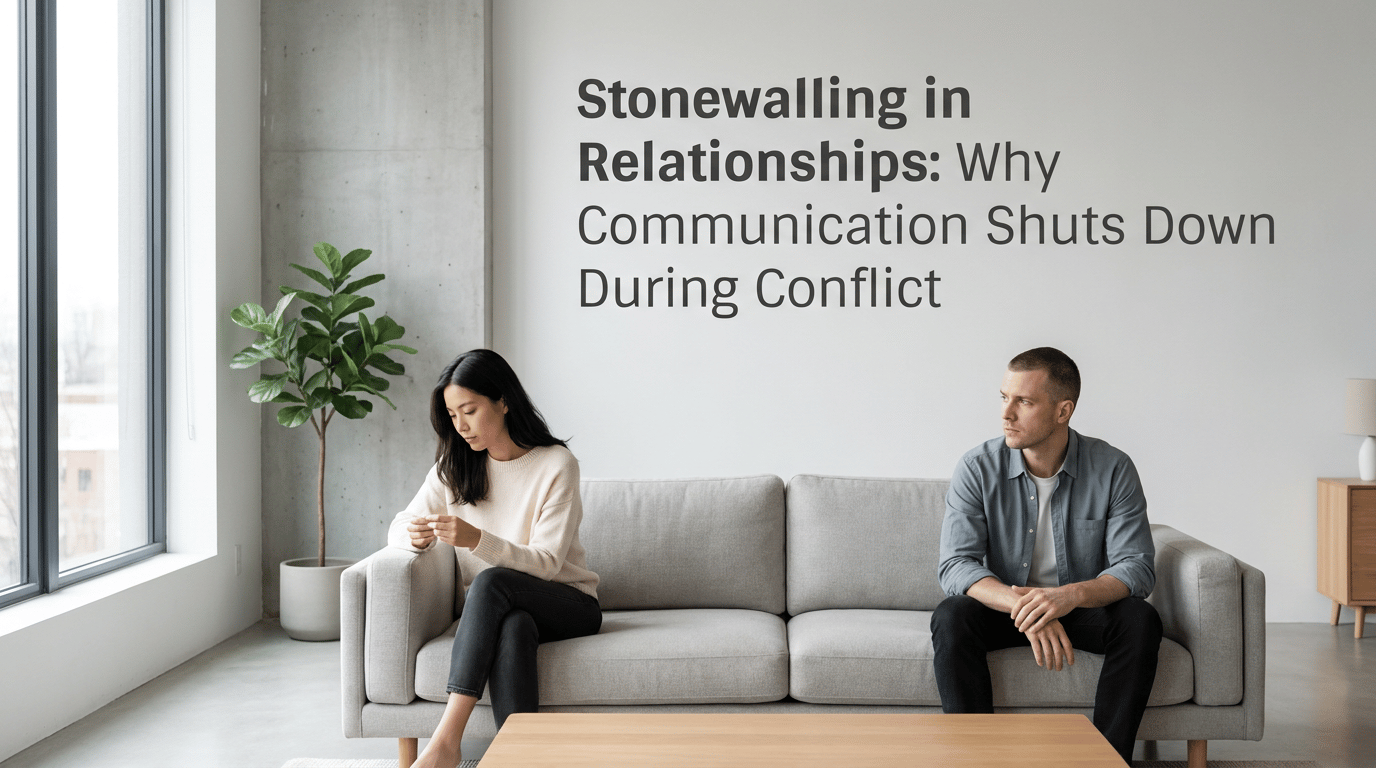
Stonewalling in Relationships: Why Communication Shuts Down During Conflict

Stonewalling in Relationships: Why Communication Shuts Down During Conflict featured image

Quick Answer Quick answer: Stonewalling is a shutdown pattern where conversation stops during conflict, often exactly when both partners need clarity. The most useful starting point is to notice the loop of overwhelm, silence, disconnection, and unresolved return before deciding who is right. This guide explains stonewalling in relationships as an educational communication pattern. It … Read more