Nervous Body Language: Common Signs of Stress, Anxiety, and Discomfort

Nervous Body Language: Common Signs of Stress, Anxiety, and Discomfort featured image

Nervous body language can be easy to notice and easy to misunderstand. A person shifts in their seat, touches their face, avoids eye contact, speaks too quickly, or keeps adjusting their sleeves, and suddenly observers may assume they are lying, insecure, attracted, guilty, or hiding something. Those assumptions can be unfair. The body often shows … Read more

Personal Space Psychology: Why Distance Changes How We Feel

Personal Space Psychology: Why Distance Changes How We Feel featured image

Someone can say the right words and still feel too close. Another person can stand farther away and still seem warm and respectful. Personal space matters because distance helps the nervous system read comfort, privacy, trust, pressure, and safety. Personal space can feel confusing because the same distance means different things in different settings. Close … Read more

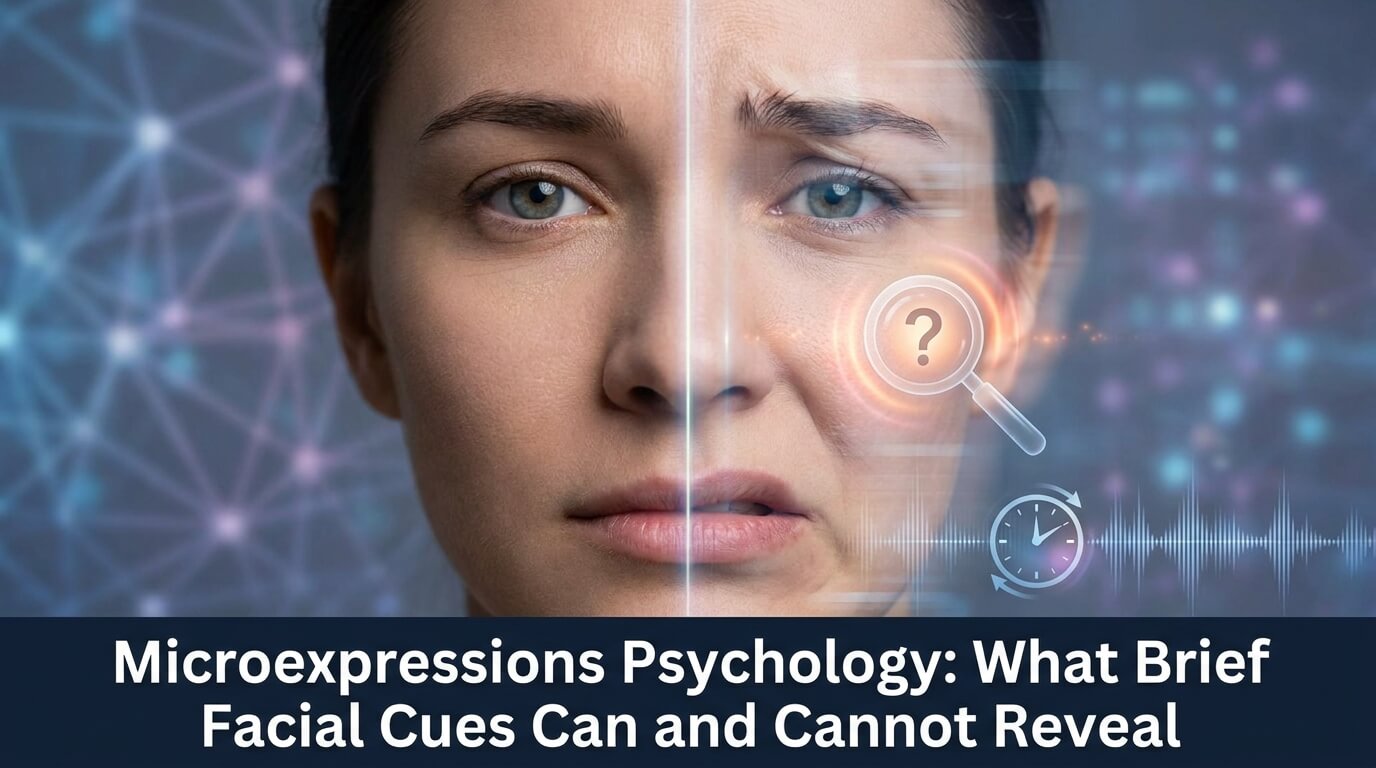
Microexpressions Psychology: What Brief Facial Cues Can and Cannot Reveal

Microexpressions Psychology: What Brief Facial Cues Can and Cannot Reveal featured image

Microexpressions get a lot of attention because they sound like a secret window into the mind. A tiny flash of fear, contempt, sadness, or surprise seems to promise a hidden truth: what someone really feels before they cover it. That idea is fascinating, but it is also easy to misuse. In microexpressions psychology, the safer … Read more

Mirroring Body Language Psychology: Why People Copy Each Other

Mirroring Body Language Psychology: Why People Copy Each Other featured image

Mirroring body language psychology is about the small ways people begin to match each other during interaction: posture, gesture, facial tone, speech rhythm, energy level, and even pauses. Sometimes this happens because two people feel comfortable. Sometimes it happens because one person is trying hard to fit in. Sometimes it is used deliberately, which is … Read more

Eye Contact Psychology: What Gaze Really Communicates

Eye contact can make a conversation feel warmer, sharper, safer, or more uncomfortable in a matter of seconds. A quick look can show attention. A long stare can feel intense. Looking away can mean someone is thinking, embarrassed, overloaded, respectful, distracted, or simply following a different social habit. That is why eye contact psychology is … Read more

Body Language Psychology: What Nonverbal Communication Really Tells You

Body language often feels like a shortcut into what someone is thinking. A person looks away, folds their arms, leans in, pauses too long, smiles at the wrong moment, or stands farther away than usual. It is tempting to treat these cues as hidden proof. In real life, they are better understood as clues that … Read more

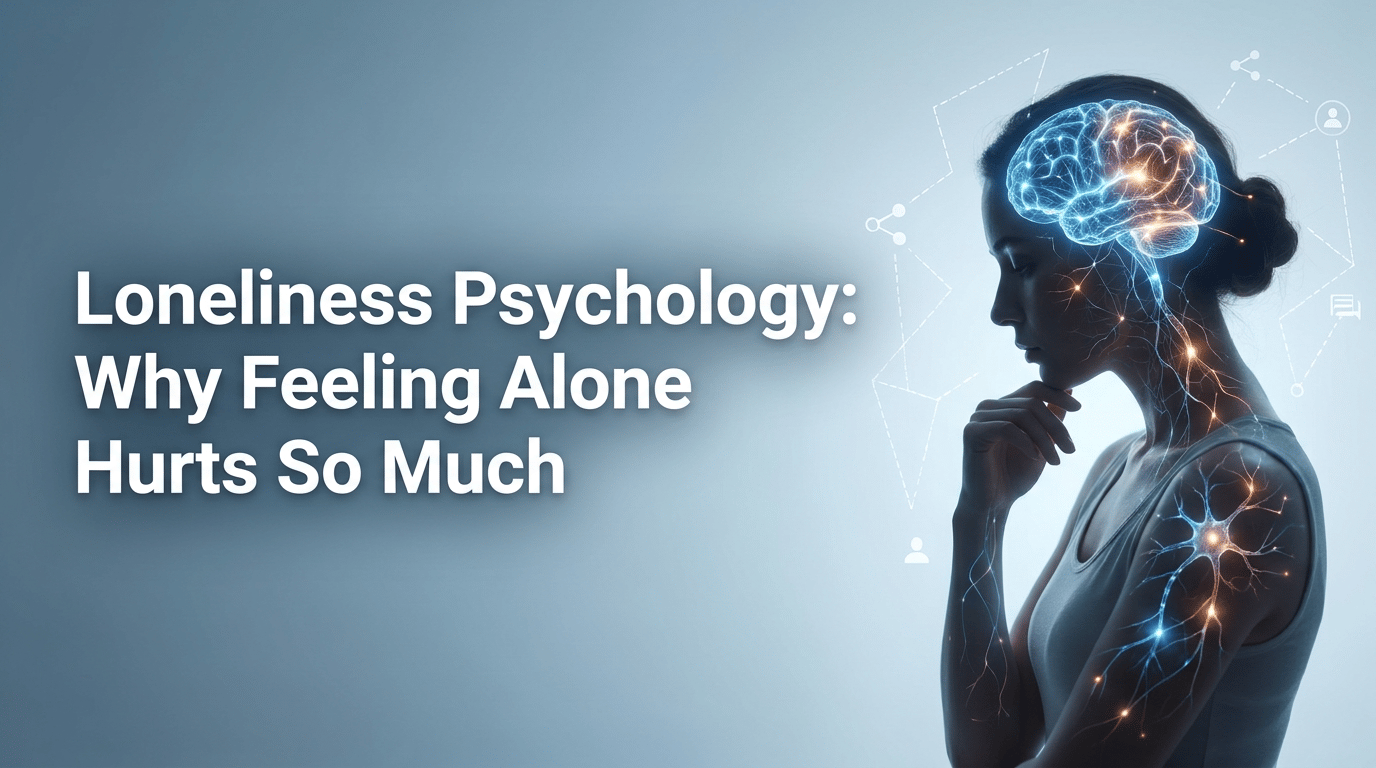
Loneliness Psychology: Why Feeling Alone Hurts So Much

Loneliness Psychology: Why Feeling Alone Hurts So Much featured image

Loneliness can be confusing because it does not always match the facts on the outside. You may have friends, coworkers, family, followers, group chats, or a full calendar, yet still feel emotionally outside the circle. You may sit beside people and still feel unknown. You may receive messages and still feel like nobody really reaches … Read more

Embarrassment Psychology: Why Awkward Moments Feel So Big

Embarrassment Psychology: Why Awkward Moments Feel So Big featured image

Embarrassment can make a small moment feel enormous. You stumble over a sentence, send the wrong message, forget a name, blush when attention turns toward you, or realize that people saw something you wish they had missed. The event may last five seconds, but your mind can replay it for hours. In psychology, embarrassment is … Read more