Evaluation Apprehension Psychology: Fear of Being Judged
Evaluation Apprehension Psychology: Why Being Judged Changes Behavior thumbnail

You can know your material, understand the task, and still feel your attention change the moment someone important starts judging what you do. A student may answer easily in a study group but second-guess every sentence during an oral exam. An employee may explain a process clearly to a coworker, then become unusually careful when … Read more
Social Facilitation Psychology: How Others Affect Performance

Social Facilitation Psychology: Why Being Watched Can Change Performance thumbnail

You may play a familiar song more sharply when friends are listening, type faster when other people are working beside you, or suddenly struggle with a new skill the moment someone watches. Those shifts are not simply a matter of confidence. In social psychology, they sit within a long line of research on how the … Read more

Authenticity vs Self-Presentation: Is Adapting Being Fake?

Authenticity vs Self-Presentation: Does Adapting to the Situation Mean Being Fake? thumbnail

You may speak one way with a close friend, another way in a job interview, and another way with a child who needs reassurance. You may share personal details with one person and keep them private from someone else. You may dress differently for a formal event, soften your humor around a new group, or … Read more

Self-Verification Theory: Why We Want to Feel Understood

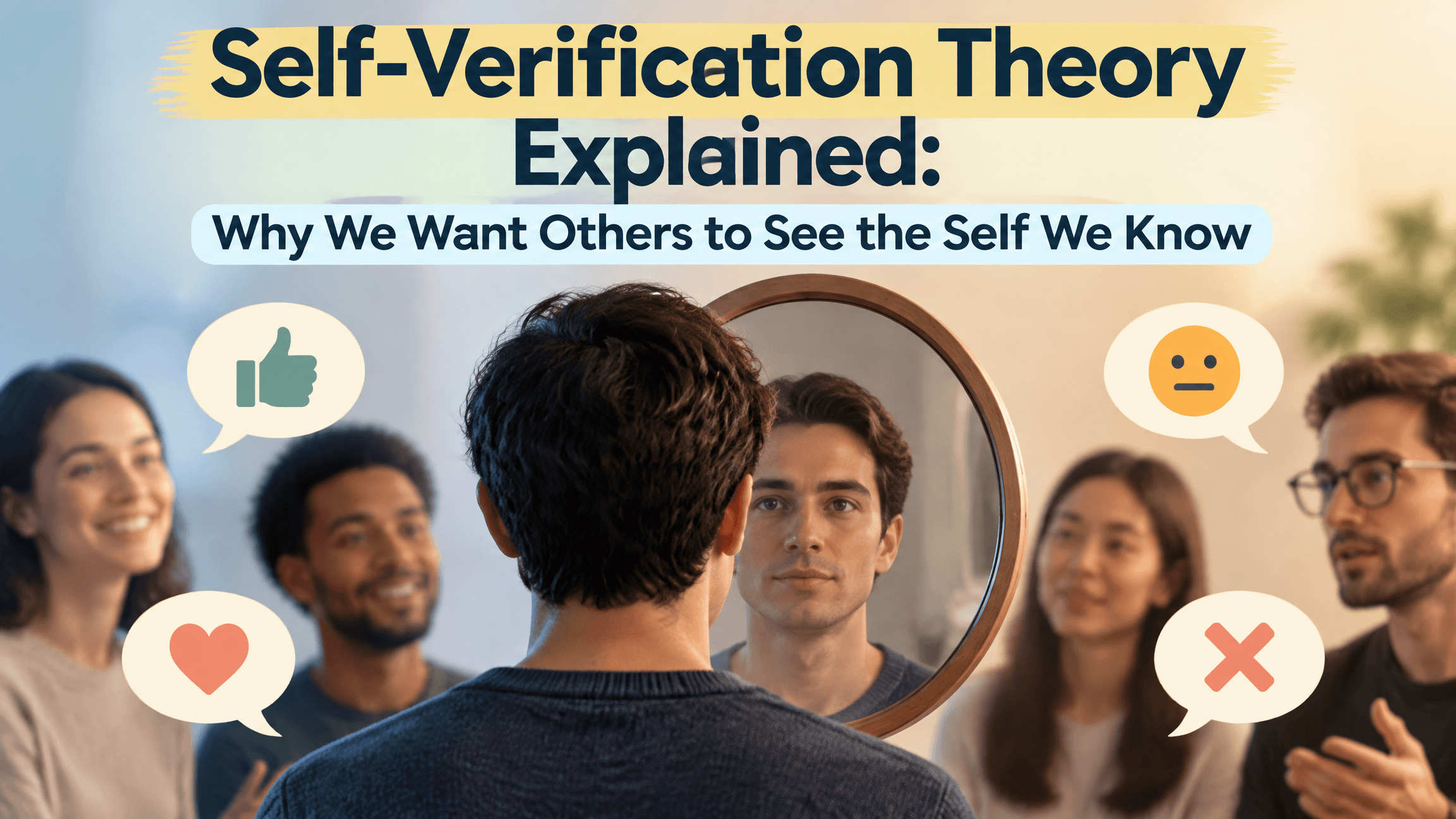
Self-Verification Theory Explained: Why We Want Others to See the Self We Know thumbnail

A compliment is supposed to feel good. Yet sometimes a positive comment lands strangely. A person who has long thought of themselves as awkward may hear, “You are great with people,” and immediately wonder whether the speaker is just being polite. Someone who sees themselves as unreliable may feel more convinced by criticism than by … Read more

Self-Enhancement Psychology: Why We Favor Positive Self-Views

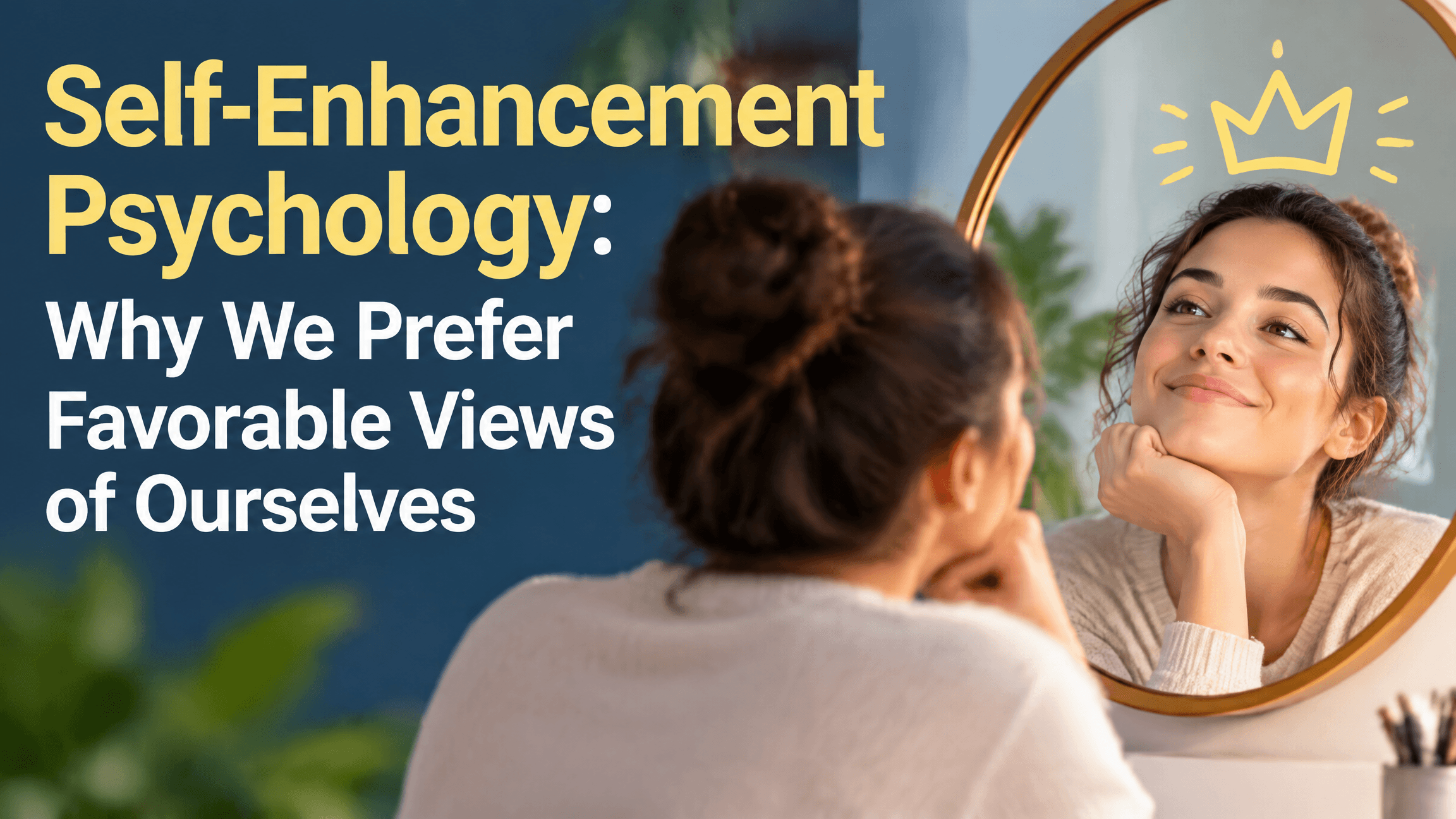
Self-Enhancement Psychology: Why We Prefer Favorable Views of Ourselves thumbnail

Most people do not evaluate themselves as if they were neutral auditors. A good result can feel like evidence of ability, while a poor result may be explained as bad timing, an unusually hard task, or something that does not represent the whole person. A compliment may be easy to absorb, while criticism may be … Read more

Online Self-Presentation Psychology: How Audiences Shape Profiles

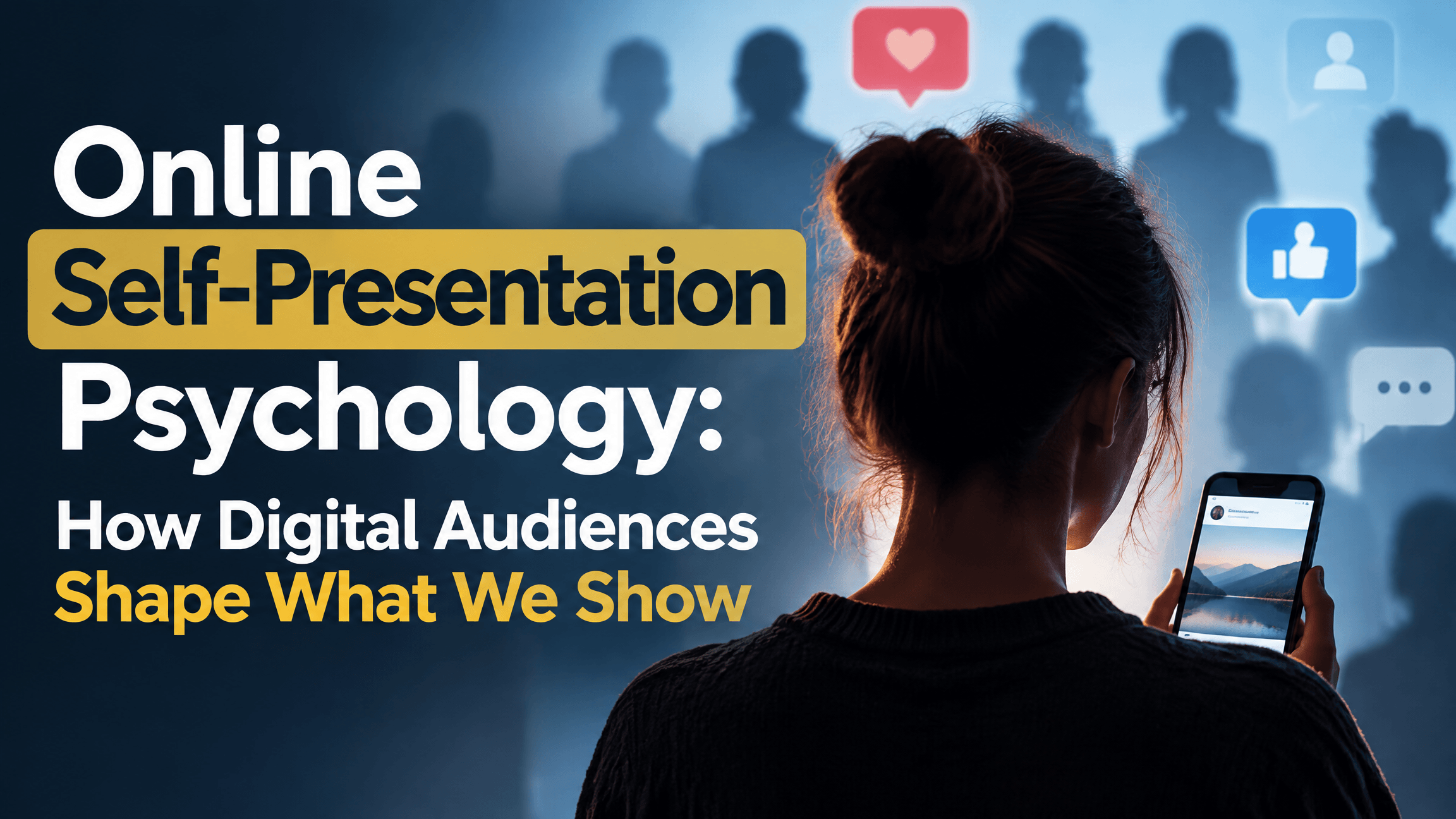
Online Self-Presentation Psychology: How Digital Audiences Shape What We Show thumbnail

A profile photo, a short bio, a post you decide not to publish, a story shared only with close friends, and a comment written differently in a professional community can all reflect the same basic problem: online, we rarely show everything about ourselves at once. We select. We edit. We choose an audience, or at … Read more

Impression Management Strategies: Five Common Approaches

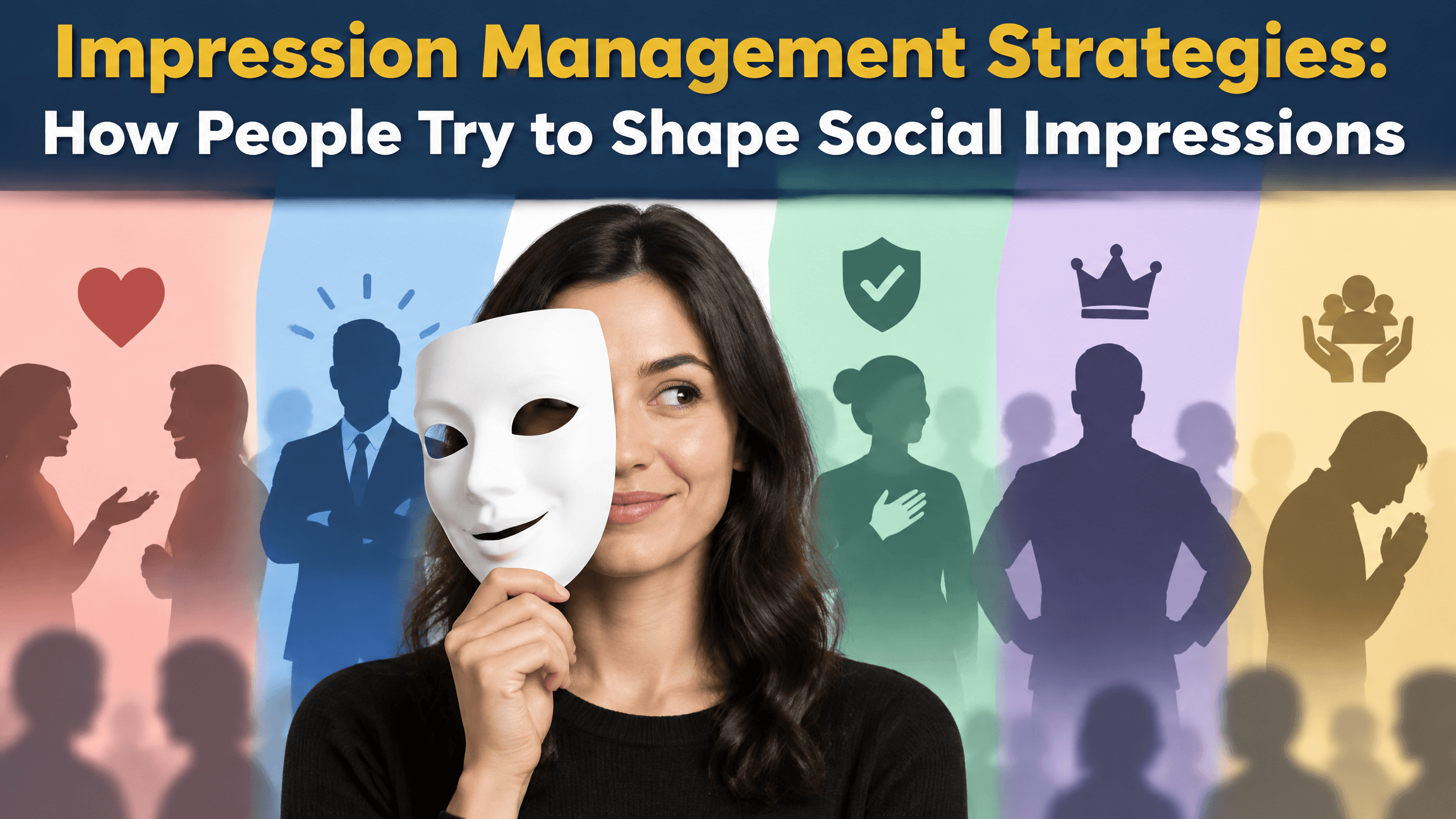
Impression Management Strategies: How People Try to Shape Social Impressions thumbnail

People rarely enter a social situation as a completely blank page. A student may want to look prepared, a new team member may want to seem helpful, a friend may want to appear considerate, and someone asking for assistance may want others to recognize that they genuinely need help. These goals can influence what people … Read more

Impression Management Psychology: Why We Shape Impressions

Impression Management Psychology: Why We Try to Shape How Others See Us thumbnail

You may notice yourself speaking more carefully around someone whose opinion matters, choosing one example instead of another when introducing yourself, or becoming unusually aware of how a mistake could look in public. These shifts do not necessarily mean you are pretending. Often, they reflect a basic social problem: other people form impressions, and those … Read more

Self-Presentation Psychology: Why We Shape How Others See Us

Self-Presentation Psychology: How People Shape the Impressions Others Form thumbnail

You probably do not speak to a close friend in exactly the same way you speak during a job interview, a classroom discussion, or a first meeting with someone important. You may emphasize different skills, choose different stories, change how formal you sound, or decide that some personal information belongs in one setting but not … Read more