Deindividuation Psychology: How Groups Change Behavior
Deindividuation Psychology: How Anonymity and Group Context Can Change Behavior thumbnail

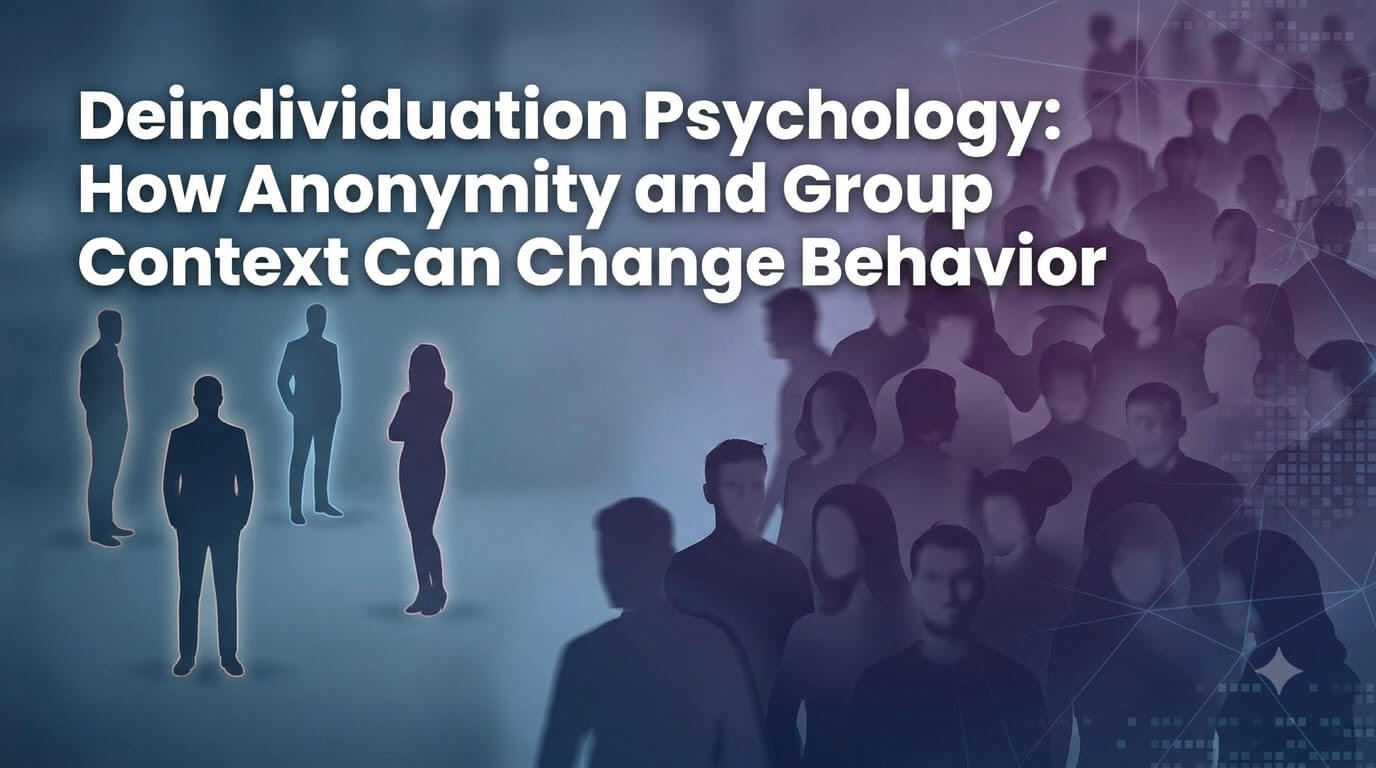
A person may behave differently when nobody can easily identify them, when they are one face in a large crowd, or when responsibility feels spread across many people. That change is often described with the word deindividuation. The tempting explanation is that anonymity makes people “lose themselves” and become reckless. Psychology gives a more complicated … Read more
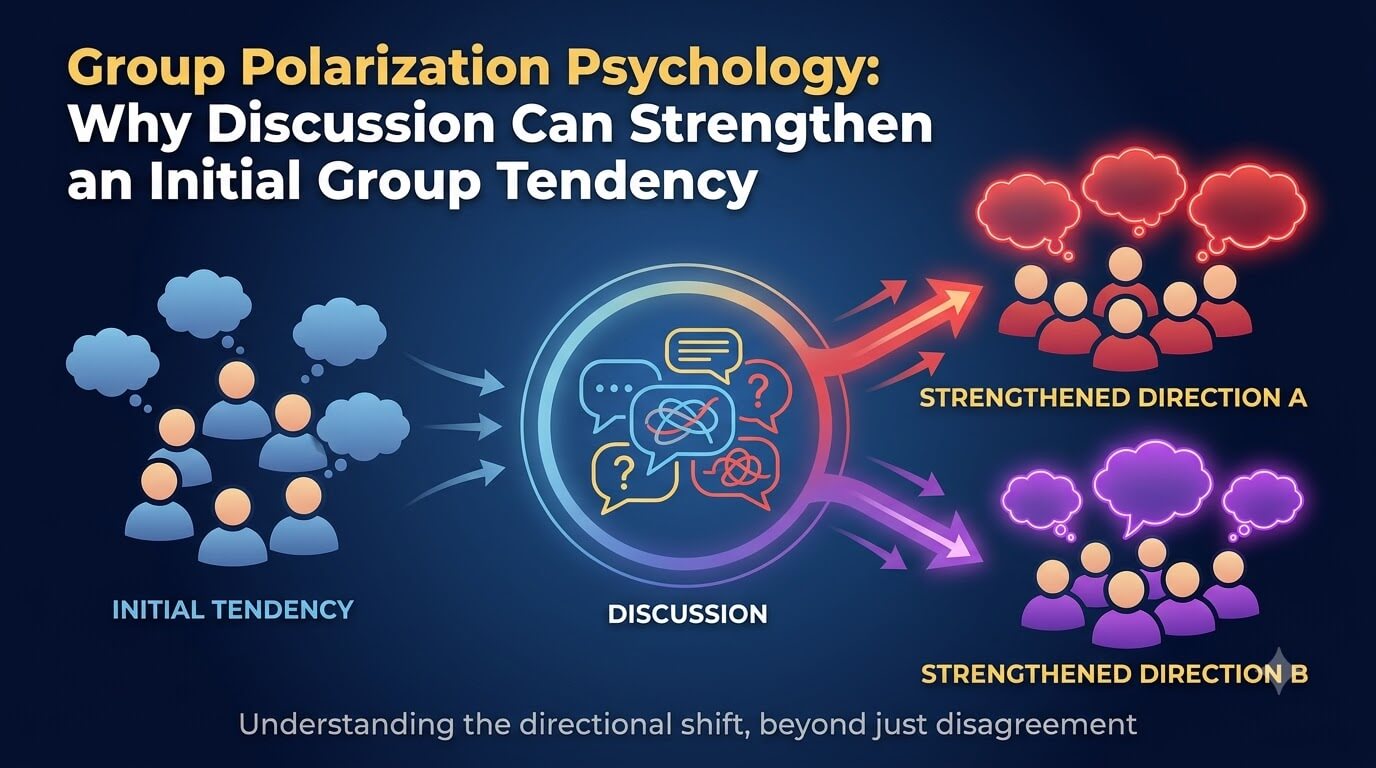
Group Polarization Psychology: Why Views Become Stronger

Group Polarization Psychology: Why Discussion Can Strengthen an Initial Group Tendency thumbnail

A group does not have to begin at an extreme position to end a discussion further in one direction. A product team that already leans toward a bold launch may become more enthusiastic after exchanging reasons for moving fast. A cautious family may become even more cautious after everyone shares what could go wrong. A … Read more

Groupthink Psychology: How Consensus Weakens Judgment

Groupthink Psychology: When Consensus Pressure Weakens Group Judgment thumbnail

A group can agree quickly for good reasons. People may have reviewed the same evidence, challenged one another’s assumptions, considered realistic alternatives, and still reached the same conclusion. Agreement becomes more concerning when preserving unity starts to matter more than testing the decision. That is the problem groupthink psychology is meant to describe. The risk … Read more

Collective Identity Psychology: How a Shared “We” Forms

Collective Identity Psychology: How a Shared Sense of “We” Forms thumbnail

A group can be more than a list of people who share a label. Over time, members may develop a common story about where they came from, what matters to them, what counts as good membership, and what they are trying to protect or build together. That shared understanding creates a psychological “we” that can … Read more

Group Norms Psychology: How Group Rules Shape Behavior

Group Norms Psychology: How Groups Create and Enforce Unwritten Rules thumbnail

You join a new team and notice that nobody challenges the manager in meetings. In a family, everyone knows which topics are “not worth bringing up,” even though no one has ever declared them forbidden. In an online community, newcomers quickly learn which jokes earn approval and which opinions trigger a cold response. These are … Read more

Group Cohesion Psychology: What Keeps Groups Together

Group Cohesion Psychology: What Keeps Members Connected and Committed thumbnail

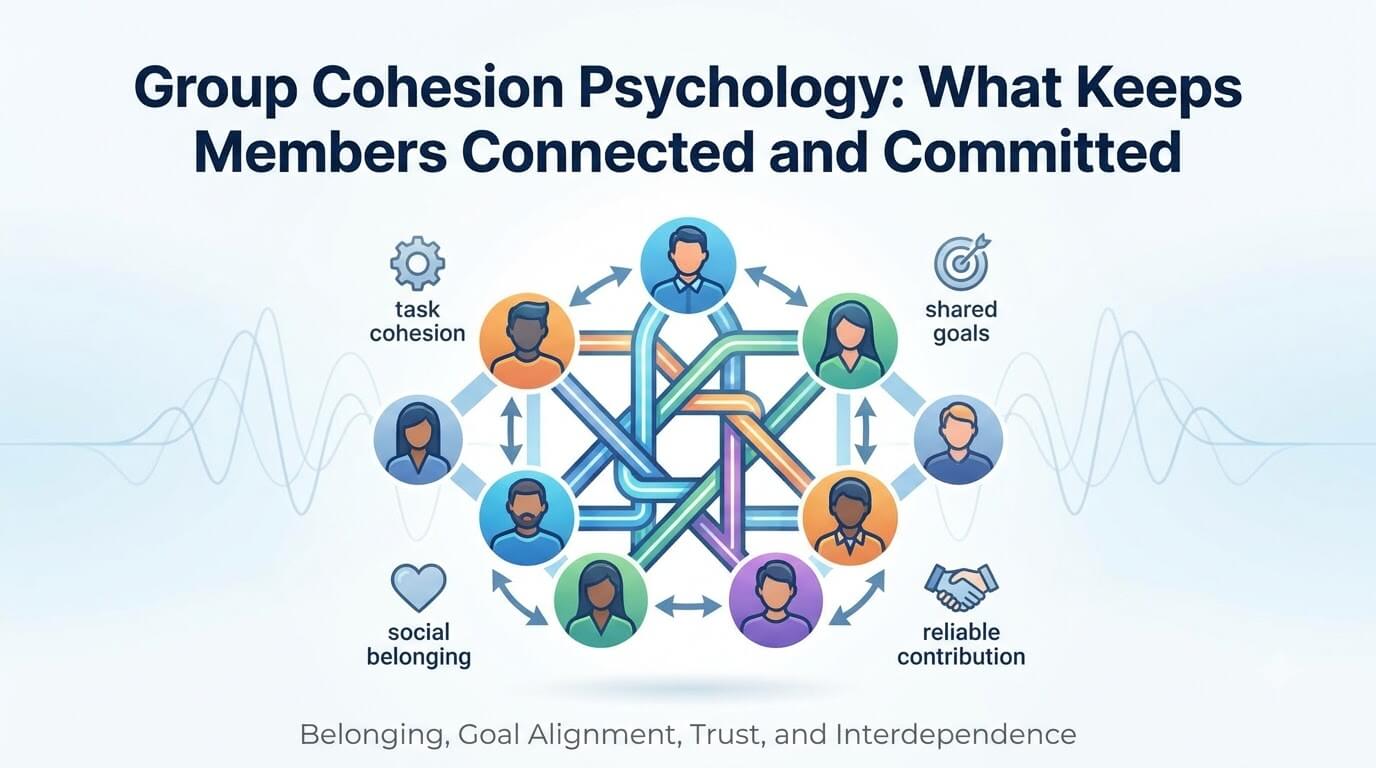
A group can look close from the outside and still feel fragile on the inside. Another group may not socialize much at all, yet its members reliably show up, coordinate well, and remain committed when the work becomes difficult. Group cohesion psychology helps explain this difference by looking at the forces that keep people connected … Read more

Conformity Psychology: Why People Follow the Group

Conformity Psychology: Why People Align With the Group thumbnail

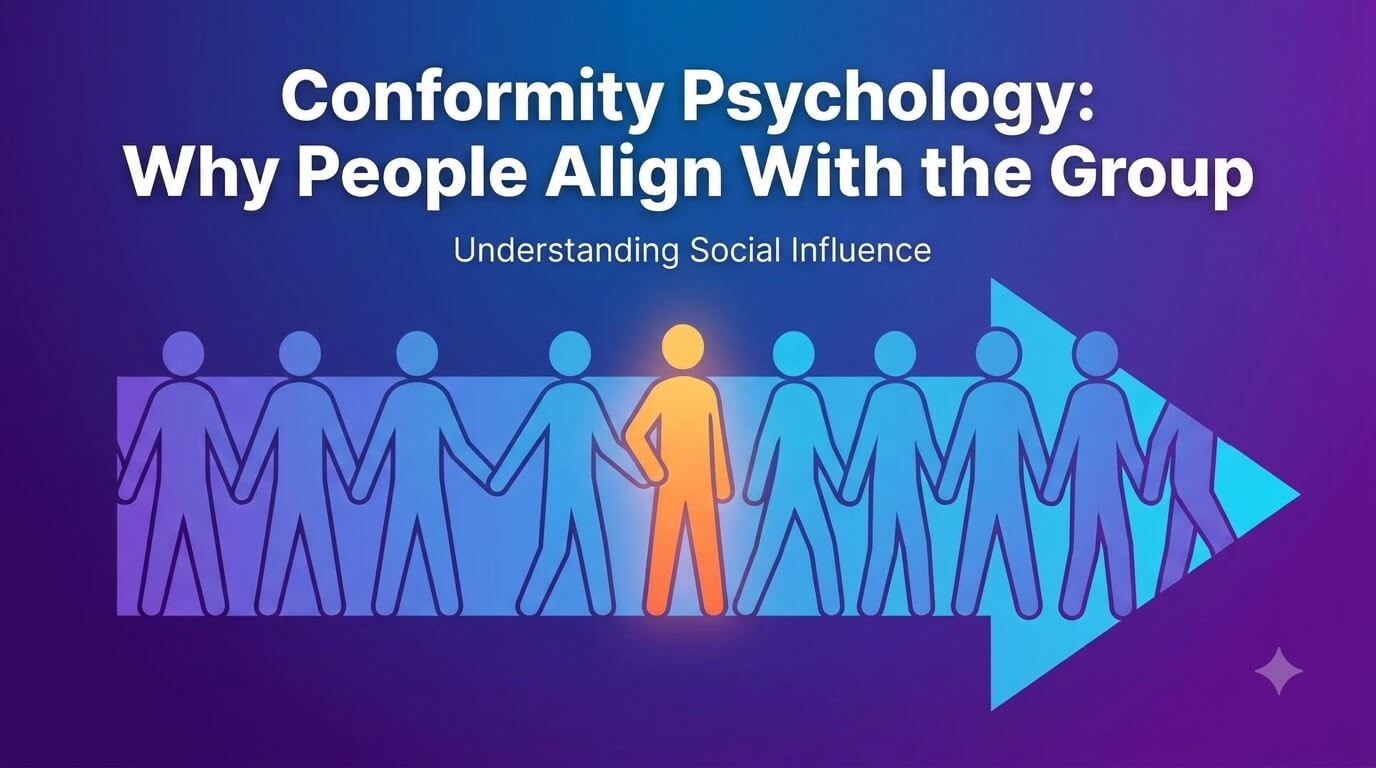
You are in a meeting where everyone seems enthusiastic about a plan you think is weak. You hear three friends praise a restaurant you did not enjoy, and suddenly your own judgment feels less certain. In a family, a familiar expectation is repeated so often that disagreeing starts to feel more socially costly than going … Read more

Self-Categorization Theory Explained Simply

Self-Categorization Theory Explained: Why a Group Identity Becomes Salient thumbnail

You can feel like a distinct individual in one moment and strongly like a member of a group in the next. A designer working alone may think, “How do I want to solve this?” In a meeting where designers and engineers disagree, the same person may suddenly think more in terms of “what we designers … Read more

Personal Identity vs Social Identity: Key Differences

Personal Identity vs Social Identity: What Comes From “Me” and What Comes From “Us”? thumbnail

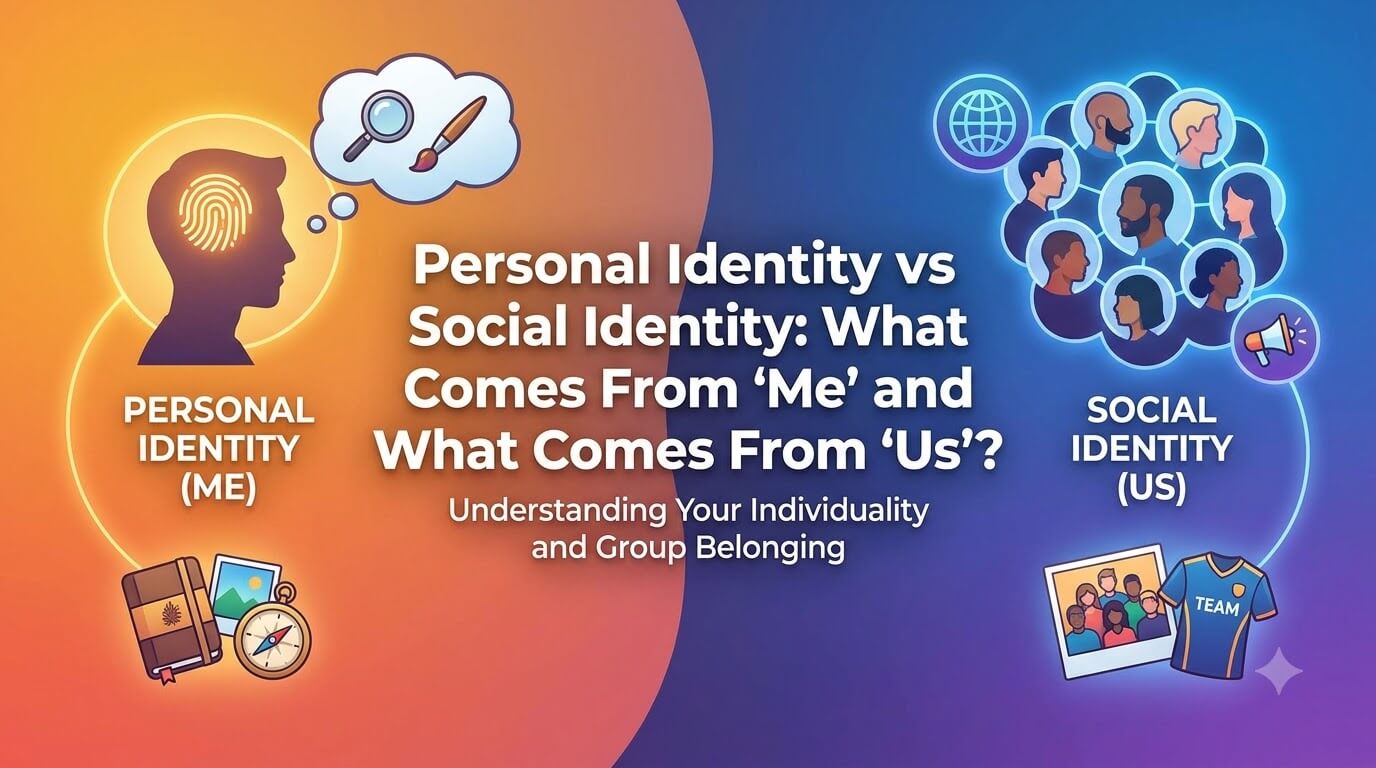
You may describe yourself one way when you are alone, another way at work, and another way around family or close friends. That does not necessarily mean you are inconsistent. Different settings can make different parts of the self more noticeable. A person can be curious, private, ambitious, a parent, an engineer, a football supporter, … Read more

Social Identity Theory Explained: How Group Identity Works

Social Identity Theory Explained: Why Group Membership Becomes Part of the Self thumbnail

You can feel like the same person at home, at work, with old friends, and inside a hobby community, yet different parts of who you are may come forward in each setting. Sometimes you think mainly as an individual. At other times, being a parent, teammate, profession member, local resident, fan, or community member becomes … Read more