Guilt vs Shame: Repair, Avoidance, Accountability
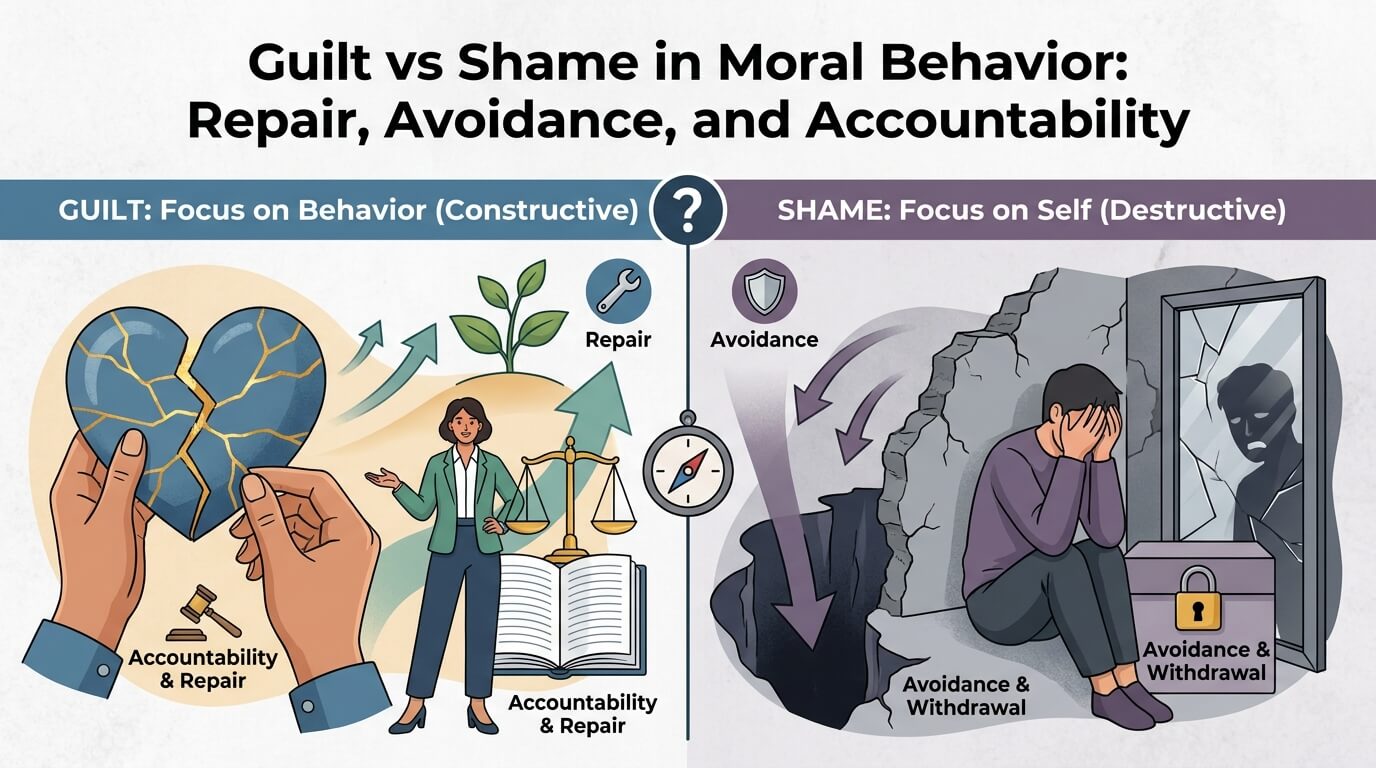
Guilt vs Shame in Moral Behavior: Repair, Avoidance, and Accountability thumbnail

You realize that your words hurt someone. One response sounds like, “I did something wrong, and I need to address it.” Another sounds like, “I am a terrible person, and everyone will see it.” Both reactions can feel painful, but they organize attention in different ways. Guilt usually focuses more on a behavior, decision, or … Read more
Ethical Decision-Making Psychology: 9 Steps

Ethical Decision-Making Psychology: How People Choose Under Moral Pressure thumbnail

You discover a mistake that benefits you. A friend asks you to keep information private, but you worry someone could be harmed. A group expects loyalty, while the fair decision may disappoint people you care about. In these situations, the difficulty is not simply choosing what you prefer. The choice affects trust, harm, rights, responsibility, … Read more

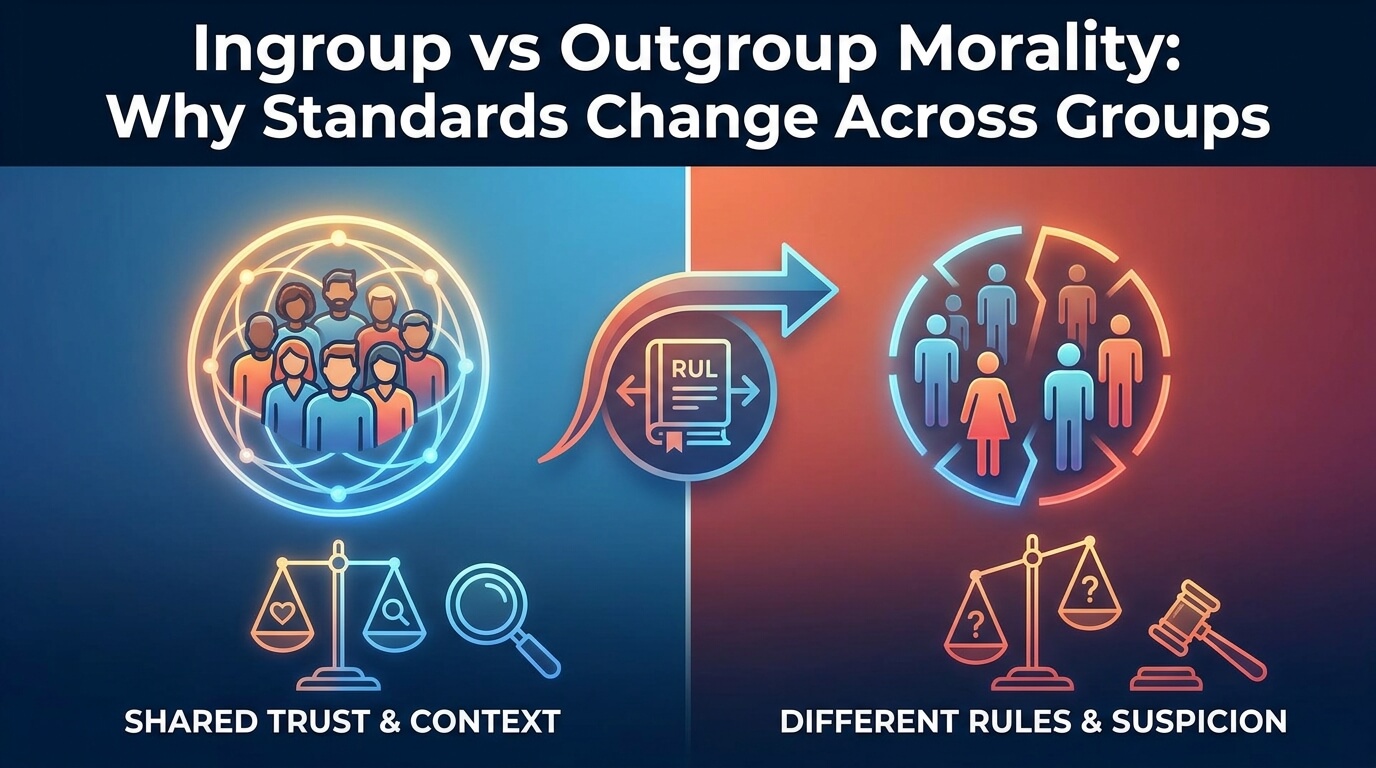
Ingroup vs Outgroup Morality: Why Standards Shift

Ingroup vs Outgroup Morality: Why Standards Change Across Groups thumbnail

You hear that a close friend made a harmful mistake and immediately think about their stress, intentions, and usual character. You hear that a stranger from a disliked group did something similar and feel less need for context. The friend appears complicated. The stranger appears obvious. This difference is one way group membership can shape … Read more

Empathy and Morality: Does Feeling More Help?

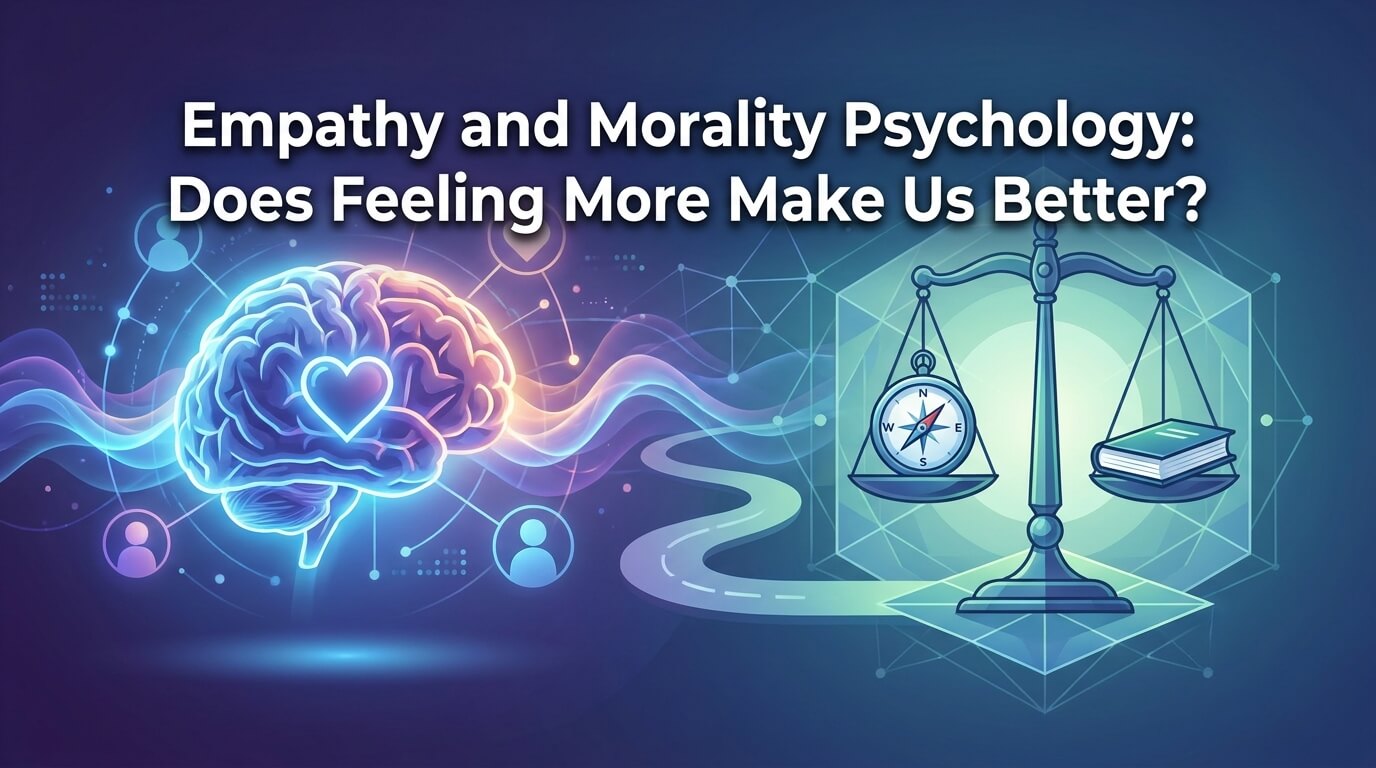
Empathy and Morality Psychology: Does Feeling More Make Us Better? thumbnail

A person tells you about an unfair experience, and their distress immediately matters to you. You picture what the situation felt like, become more willing to help, and judge the harm more seriously. In moments like this, empathy can make moral concern vivid enough to change behavior. Yet empathy does not reach everyone equally. People … Read more

Moral Hypocrisy Psychology: Double Standards

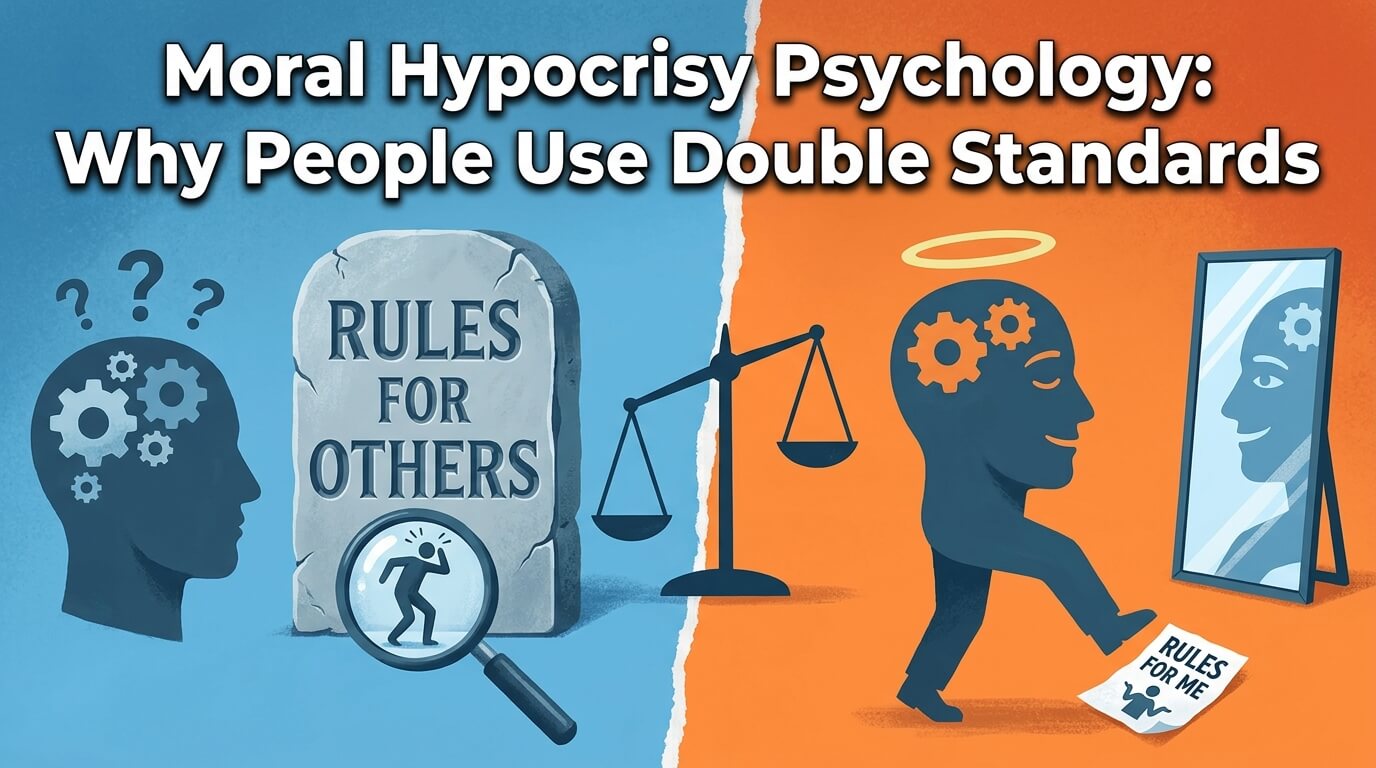
Moral Hypocrisy Psychology: Why People Use Double Standards thumbnail

Someone criticizes dishonesty but hides information when honesty would cost them. A parent demands calm communication while raising their own voice. A friend excuses an ally’s behavior as a mistake but treats the same behavior from an outsider as proof of bad character. These contradictions are often called hypocrisy, but the label is easy to … Read more

Why Good People Disagree About Right and Wrong

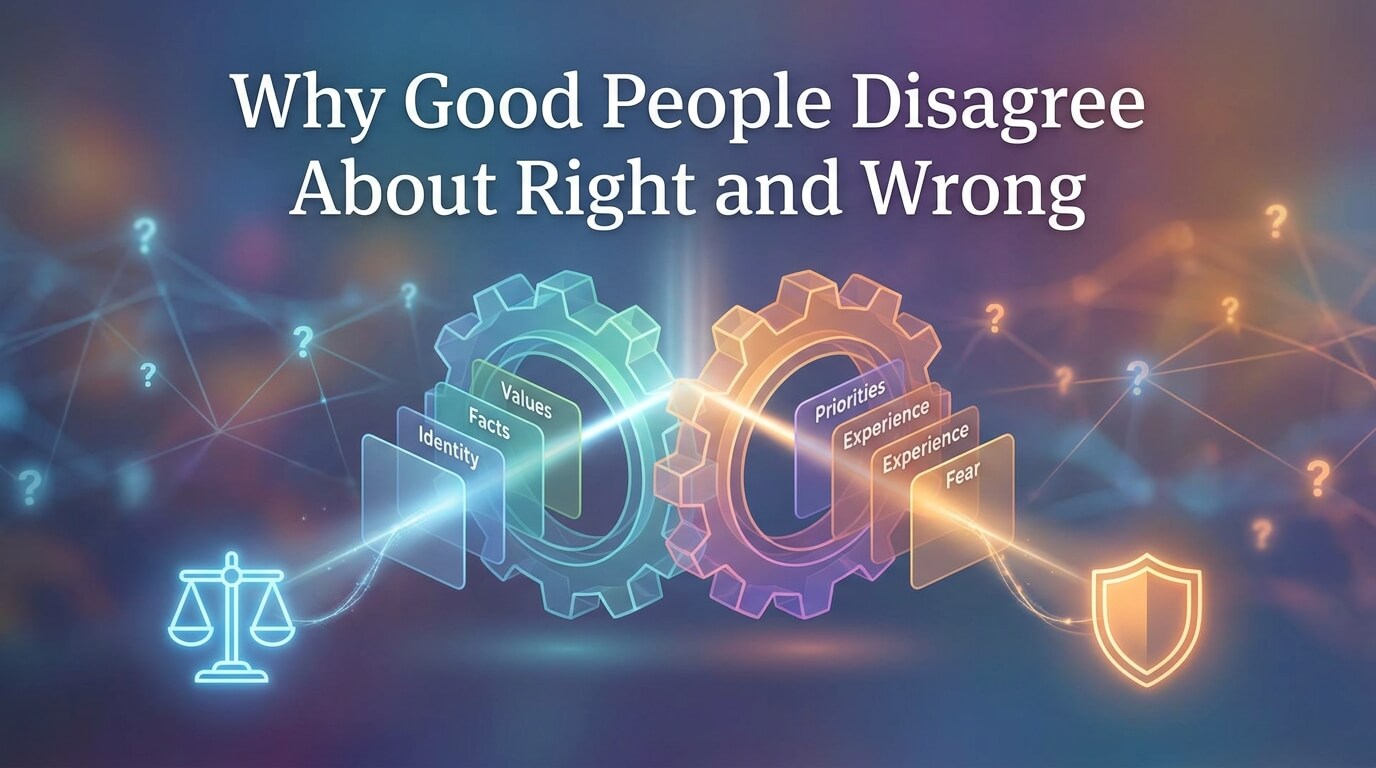
Why Good People Disagree About Right and Wrong thumbnail

Two people can care deeply about fairness, kindness, responsibility, and human dignity, yet reach opposite conclusions about the same situation. One person sees a necessary boundary. Another sees rejection. One sees equal treatment. Another sees a refusal to consider need. One sees loyalty. Another sees favoritism. Moral disagreement becomes especially confusing when both sides appear … Read more

Moral Outrage Psychology: Why Anger Spreads

Moral Outrage Psychology: Why Wrongdoing Can Trigger Powerful Anger thumbnail

You see someone being mocked, cheated, exploited, or treated as if their pain does not matter. Before you have planned a response, anger arrives with a sense of urgency: this should not be happening, someone is responsible, and something needs to change. That combination of moral judgment and emotion is often described as moral outrage. … Read more

Fairness Psychology: Why Unfairness Hurts

Fairness Psychology: Why Unfairness Feels So Personal thumbnail

Two siblings receive the same amount of help, yet one still feels overlooked. Two friends split a bill equally, but one believes the arrangement ignores a major difference in what each person ordered. A family shares caregiving tasks, and resentment grows because visible chores are counted while planning, worrying, and follow-up remain invisible. These conflicts … Read more