Reaction Formation: Definition, Examples, and Limits

Reaction Formation: Why People Sometimes Express the Opposite of What They Feel thumbnail

A person feels irritated with a colleague yet becomes unusually warm and accommodating around them. Someone is frightened by a challenge but presents intense, almost theatrical confidence. These contrasts may invite a familiar explanation: perhaps the visible response is the opposite of a feeling the person cannot accept. In classical psychology, that proposed process is … Read more
Repression vs Suppression: Key Psychology Differences

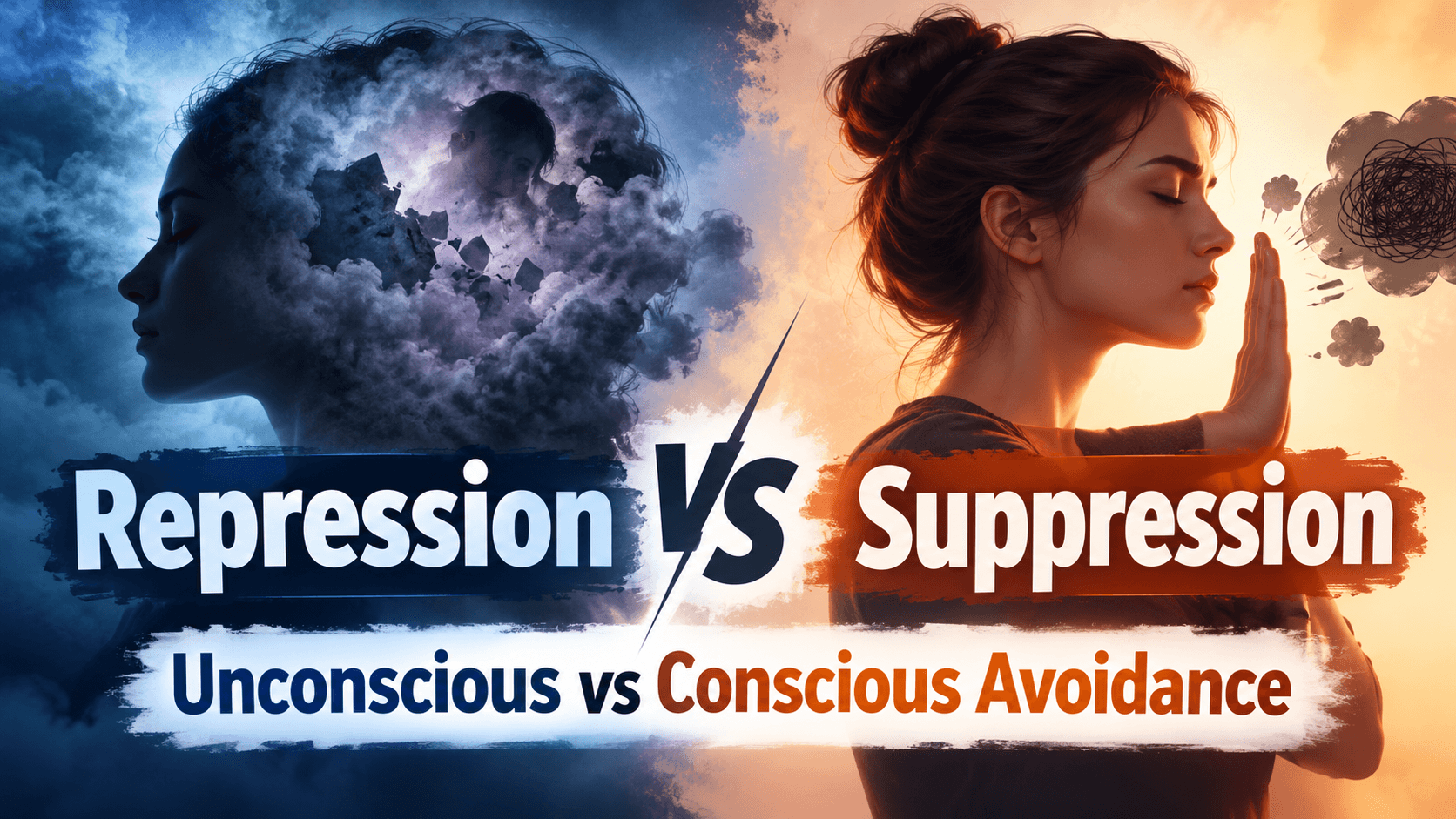
Repression vs Suppression: Unconscious vs Conscious Avoidance thumbnail

Someone notices anger rising before an important meeting and decides, “I will deal with this tonight.” Another person has no conscious sense of anger at all, even though a theorist might propose that the feeling is being kept outside awareness. Psychology textbooks often use this contrast to explain repression vs suppression: repression is described as … Read more

Denial as a Defense Mechanism: Meaning and Examples

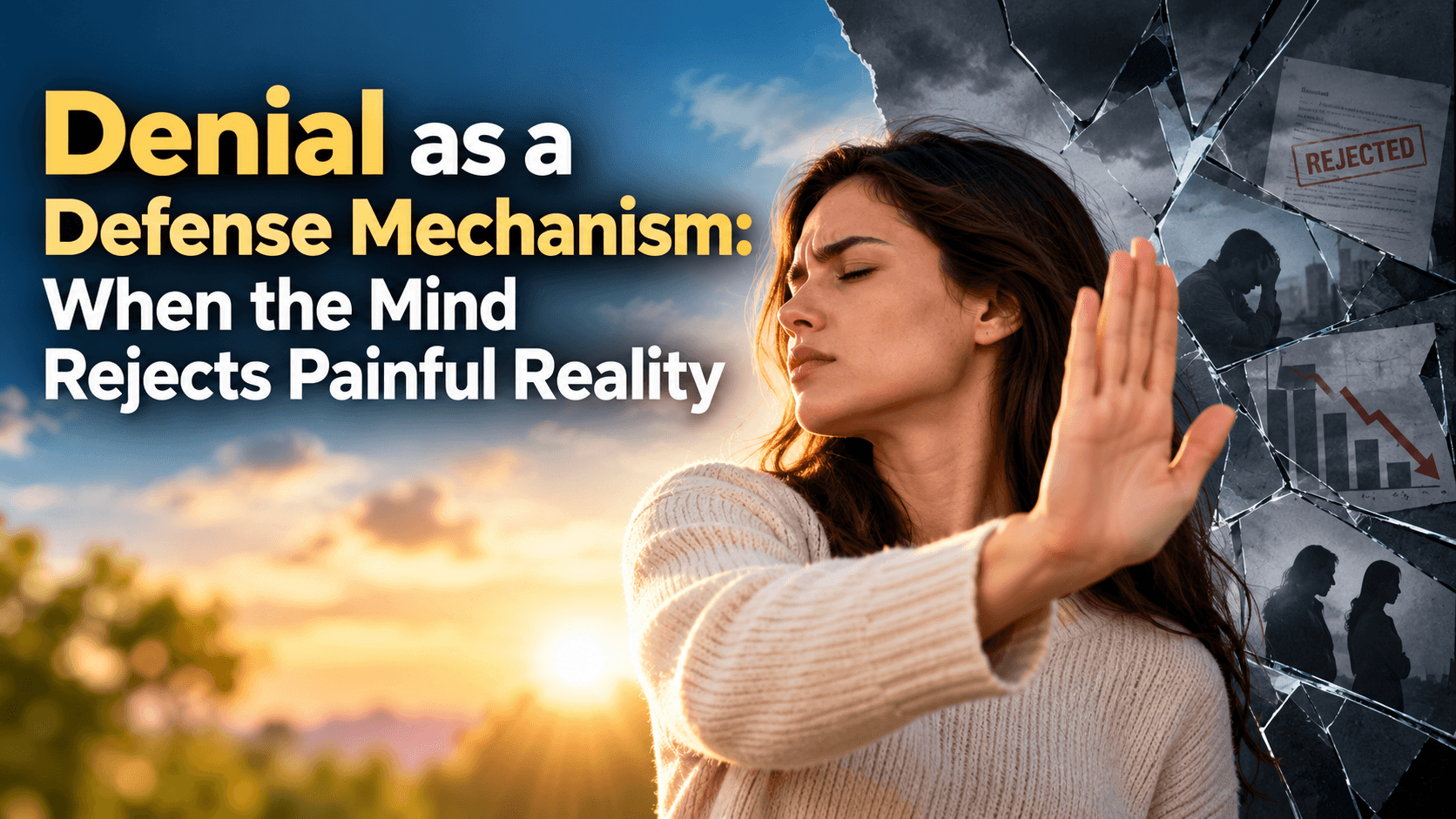
Denial as a Defense Mechanism: When the Mind Rejects Painful Reality thumbnail

The message is clear: the application was declined. Yet the recipient keeps planning as though approval is still likely, telling friends that the decision is probably temporary. A team has missed every milestone for months, but its leader treats each result as an isolated setback. A friendship has changed in ways neither person wants to … Read more

Psychological Projection: Meaning, Examples, and Limits

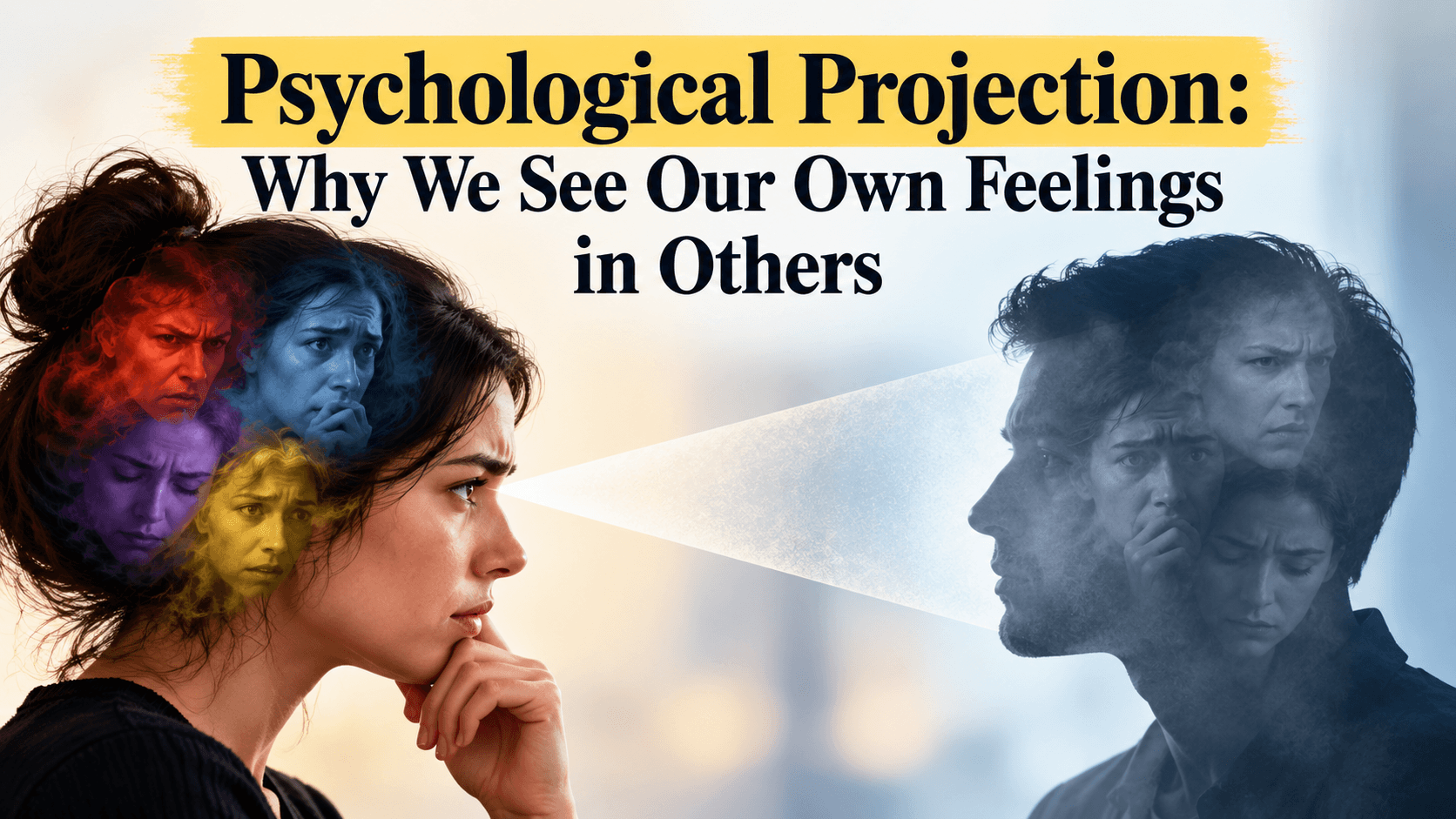
Psychological Projection: Why We See Our Own Feelings in Others thumbnail

During a tense meeting, a manager who is worried about appearing unprepared becomes certain that everyone else is judging the presentation. In a relationship, someone who feels a flash of jealousy insists that their partner is the jealous one. These situations could involve psychological projection, but they could also have simpler explanations. The room may … Read more

Defense Mechanisms Psychology: How the Mind Protects You

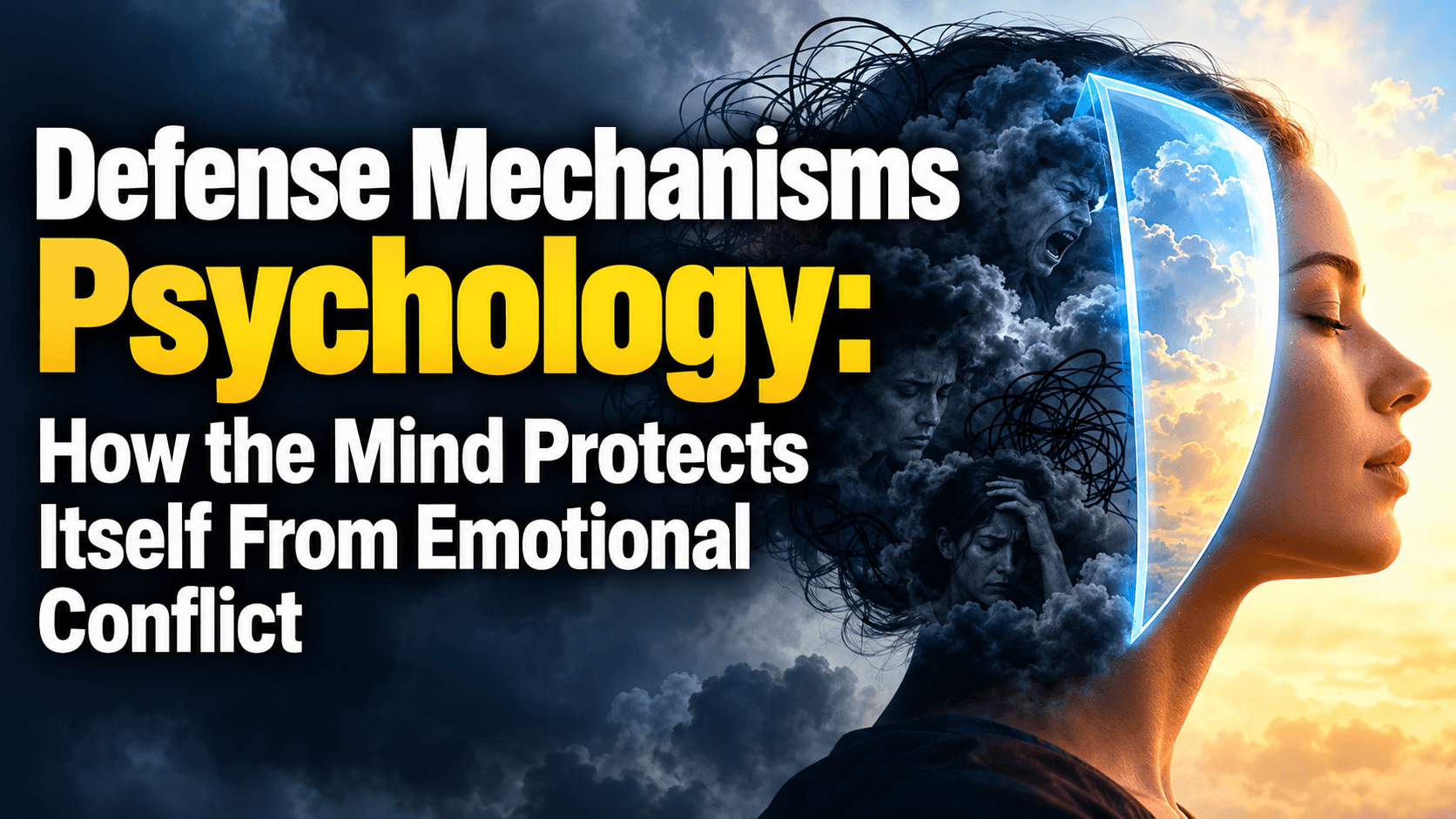
Defense Mechanisms Psychology: How the Mind Protects Itself From Emotional Conflict thumbnail

A person can sincerely value honesty yet avoid a fact that feels unbearable. Someone can feel angry but experience the anger as if it belongs to another person. Another person may set a painful thought aside until the workday ends. These responses can look similar from the outside, but psychology does not treat them as … Read more