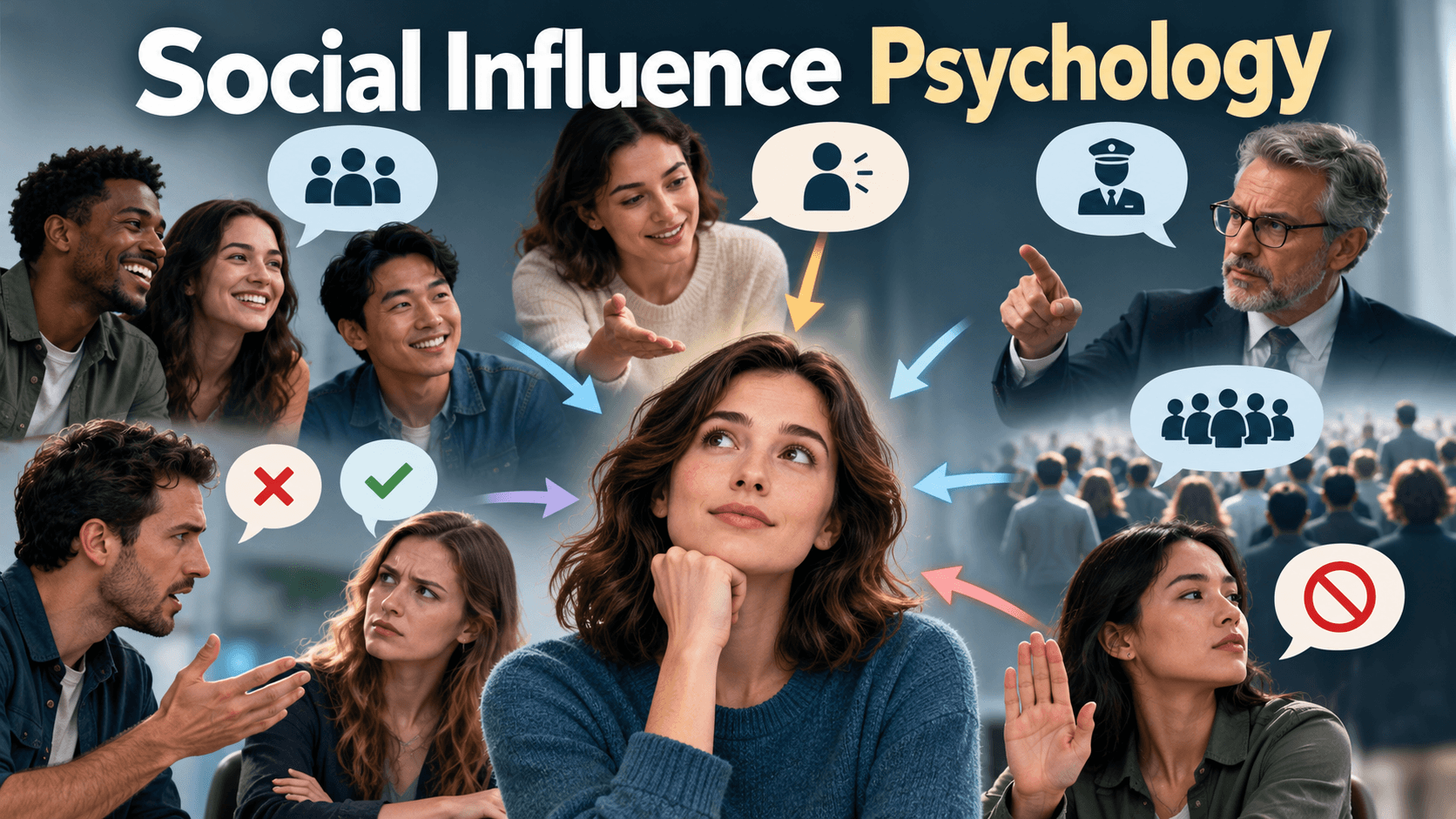
Person-Environment Fit Psychology: How Fit Works
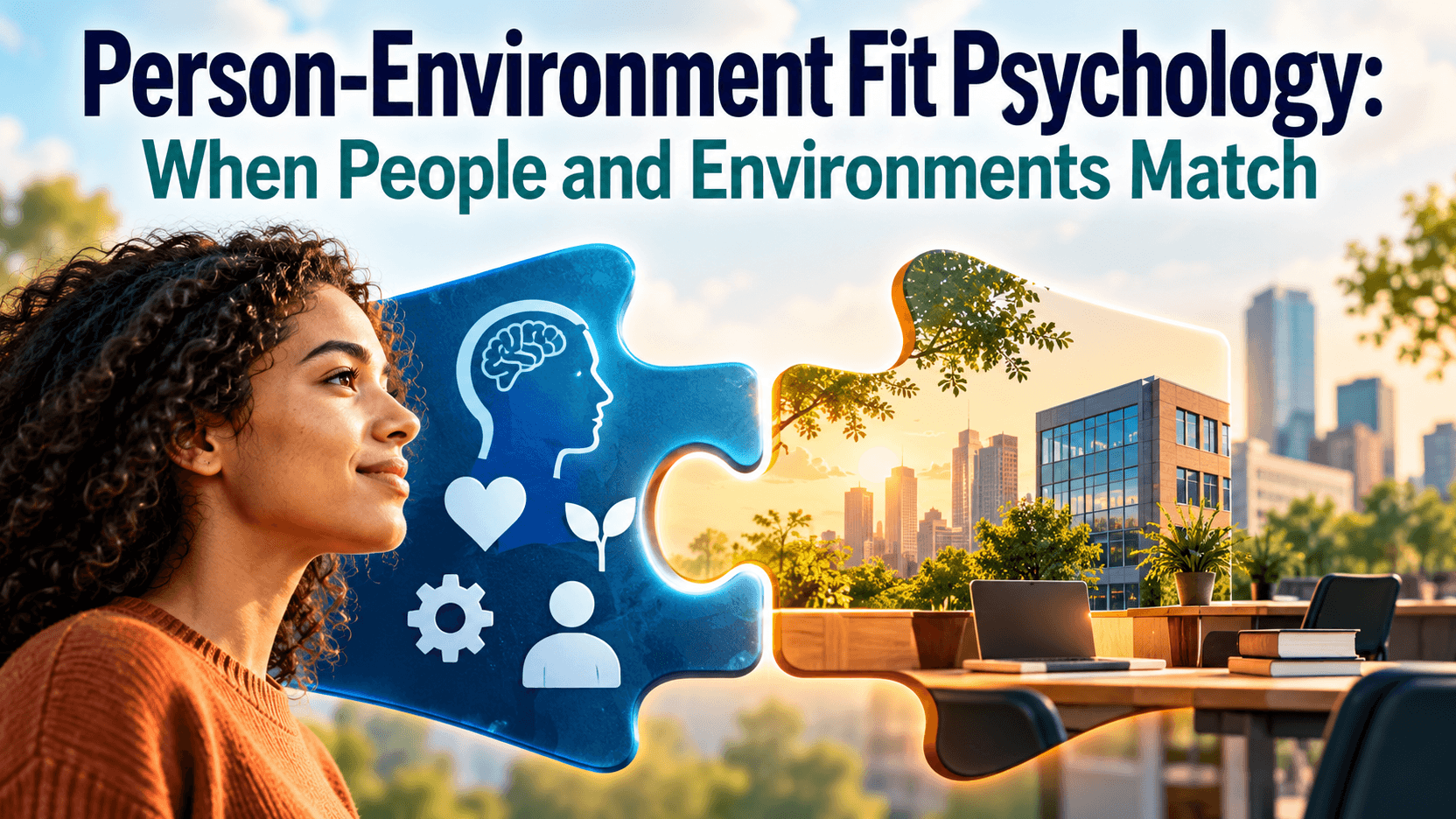
Person-Environment Fit Psychology: When People and Environments Match thumbnail

Someone may contribute confidently in a small, collaborative classroom yet struggle in a highly competitive one. A capable employee might enjoy solving difficult problems but feel worn down by a workplace that gives little time for careful work. Neither example, by itself, shows that the person lacks ability or that the setting is universally bad. … Read more
Trait Activation Theory: When Situations Bring Out Traits

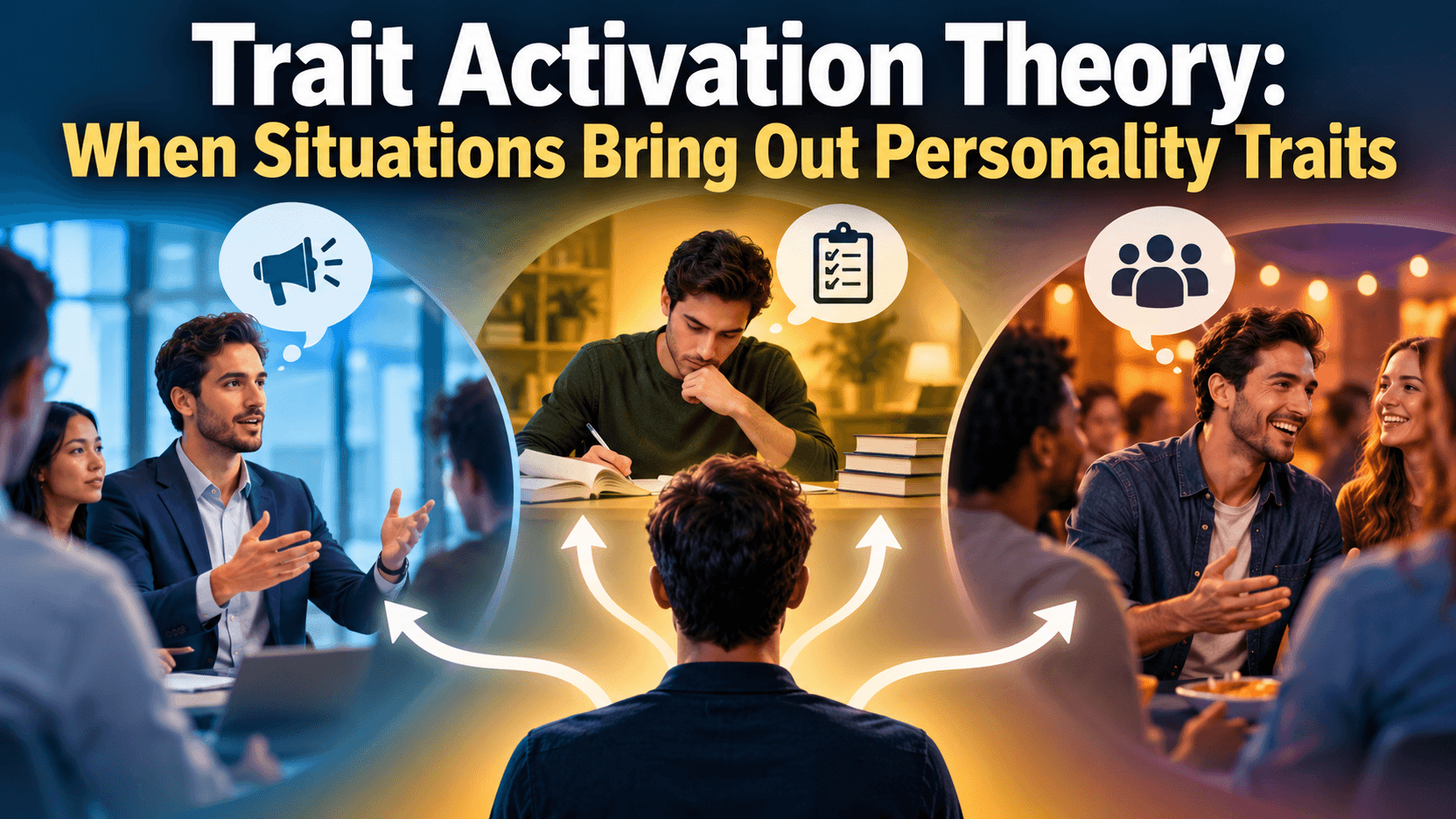
Trait Activation Theory: When Situations Bring Out Personality Traits thumbnail

Someone may speak confidently during a project meeting but remain quiet at a crowded dinner. Another person may be meticulous when checking financial records yet relaxed about organizing a weekend trip. Does that mean their personality changes whenever the setting changes? Not necessarily. A personality tendency can be relatively enduring even when its expression varies … Read more

Resistance to Social Influence: Why People Stand Their Ground

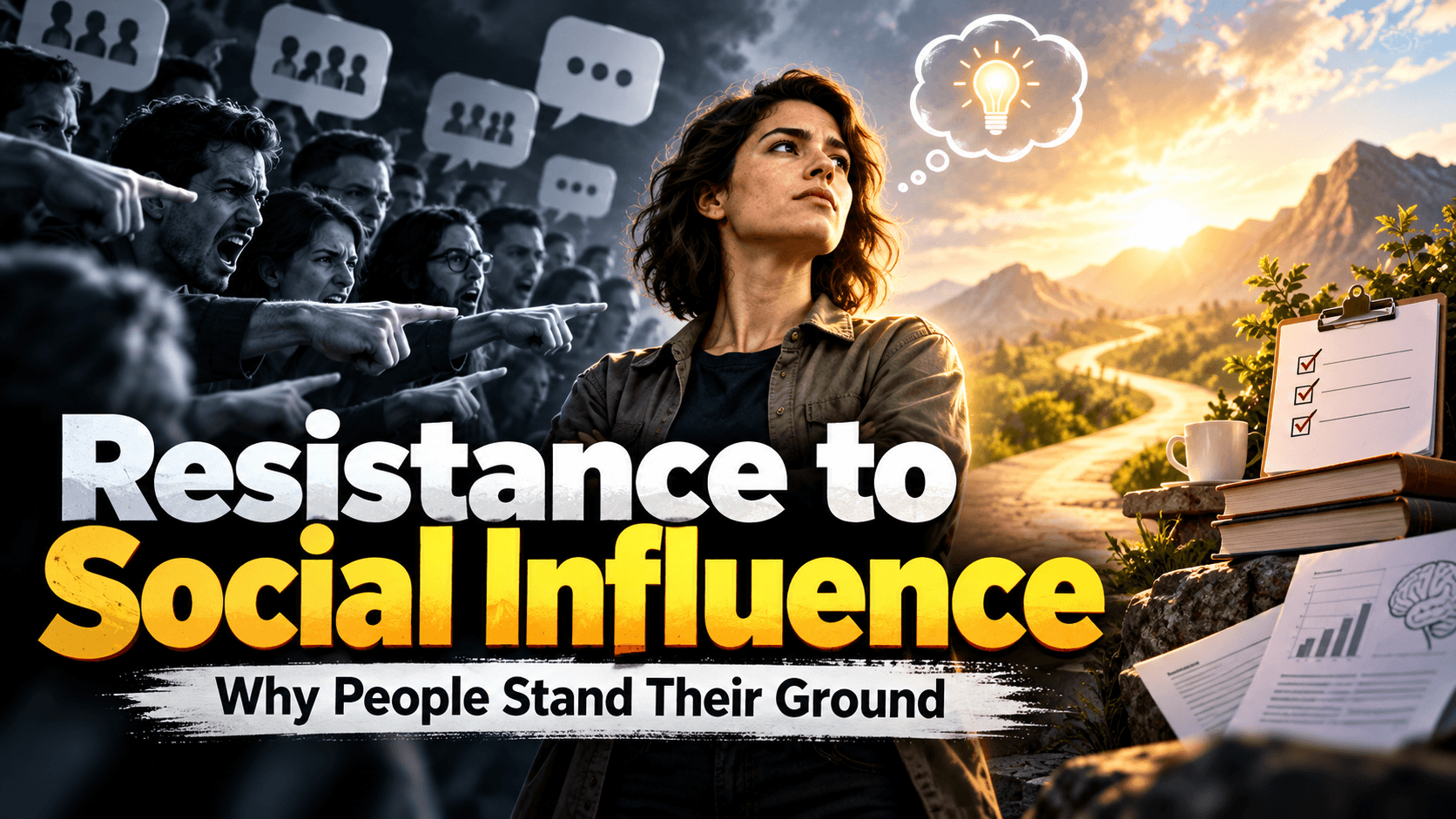
Resistance to Social Influence Psychology: Why People Sometimes Stand Their Ground thumbnail

Independent thinking is often treated as a personality trait: some people resist pressure, while others go along. Social psychology offers a more situational picture. Standing your ground can depend on the information available, whether anyone else dissents, how much time you have, and whether you feel able to make a self-directed judgment. Resistance does not … Read more

Psychological Reactance: Why Pressure Makes Us Resist

Psychological Reactance: Why Pressure Can Make Us Resist thumbnail

Sometimes the fastest way to make a choice feel more attractive is to tell someone they are not allowed to make it. A person who was only mildly interested in an option may suddenly defend it when it seems restricted. A reasonable suggestion may become irritating when it sounds like an order. Even useful advice … Read more

Public Compliance vs Private Acceptance in Psychology

Public Compliance vs Private Acceptance: When Agreement Is Only on the Surface thumbnail

You can agree with a group in public and still think something different in private. That gap matters because visible behavior is easy to observe, while private belief is not. A person may nod along in a meeting, choose the answer everyone else chose, or avoid challenging a group without actually becoming convinced that the … Read more

Minority Influence Psychology: How Small Groups Shape Thinking

Minority Influence Psychology: How Small Groups Can Change Majority Thinking thumbnail

A minority view can be easy to dismiss at first. One person questions a group decision, a small team challenges an established practice, or an unpopular interpretation keeps appearing even after most people have moved on. The interesting psychological question is not whether the minority is right. It is how a smaller or less dominant … Read more

Social Proof Psychology: Why Other People Influence Us

Social Proof Psychology: Why Other People’s Behavior Influences Us thumbnail

Imagine arriving in an unfamiliar city and seeing two nearly identical food stalls. One has a long line of local customers. The other is empty. You know almost nothing about either stall, yet the crowd immediately feels informative. Maybe the busy stall is better. Maybe it is safer. Maybe people know something you do not. … Read more

Obedience Psychology: Why People Follow Authority

Obedience Psychology: Why People Follow Authority Directives thumbnail

A doctor tells a patient to stop eating before a procedure. A flight attendant gives evacuation instructions. A supervisor tells an employee to follow a safety protocol. In each case, the words carry weight partly because they come from someone seen as having a recognized role and some right to direct behavior in that setting. … Read more