
Creative Block Psychology: Why You Feel Stuck and How to Start Again

Creative Block Psychology: Why You Feel Stuck and How to Start Again thumbnail

Creative block can feel strangely personal. You may sit down to write, design, plan, record, sketch, or solve a problem, and the mind that usually makes connections seems to go quiet. Sometimes the block appears as a blank page. Sometimes it looks like endless research, constant revision, sudden fatigue, or the feeling that every idea … Read more

Divergent Thinking Psychology: Why More Possibilities Create Better Ideas

Divergent Thinking Psychology: Why More Possibilities Create Better Ideas thumbnail

When people feel stuck, they often assume the problem is a lack of talent. Sometimes the real issue is narrower: the mind has stopped after the first obvious answer. Divergent thinking psychology looks at what happens when the mind opens the field again, generates more options, changes categories, and allows unusual possibilities to appear before … Read more

Creative Thinking Psychology: How the Mind Generates Better Ideas

Creative Thinking Psychology: How the Mind Generates Better Ideas thumbnail

Creative thinking psychology is about how the mind notices possibilities, connects ideas, reframes problems, and reshapes early thoughts into something more useful. It is not limited to painters, musicians, writers, or people who seem naturally imaginative. Creative thinking shows up when a student finds a new way to study, a manager changes the framing of … Read more

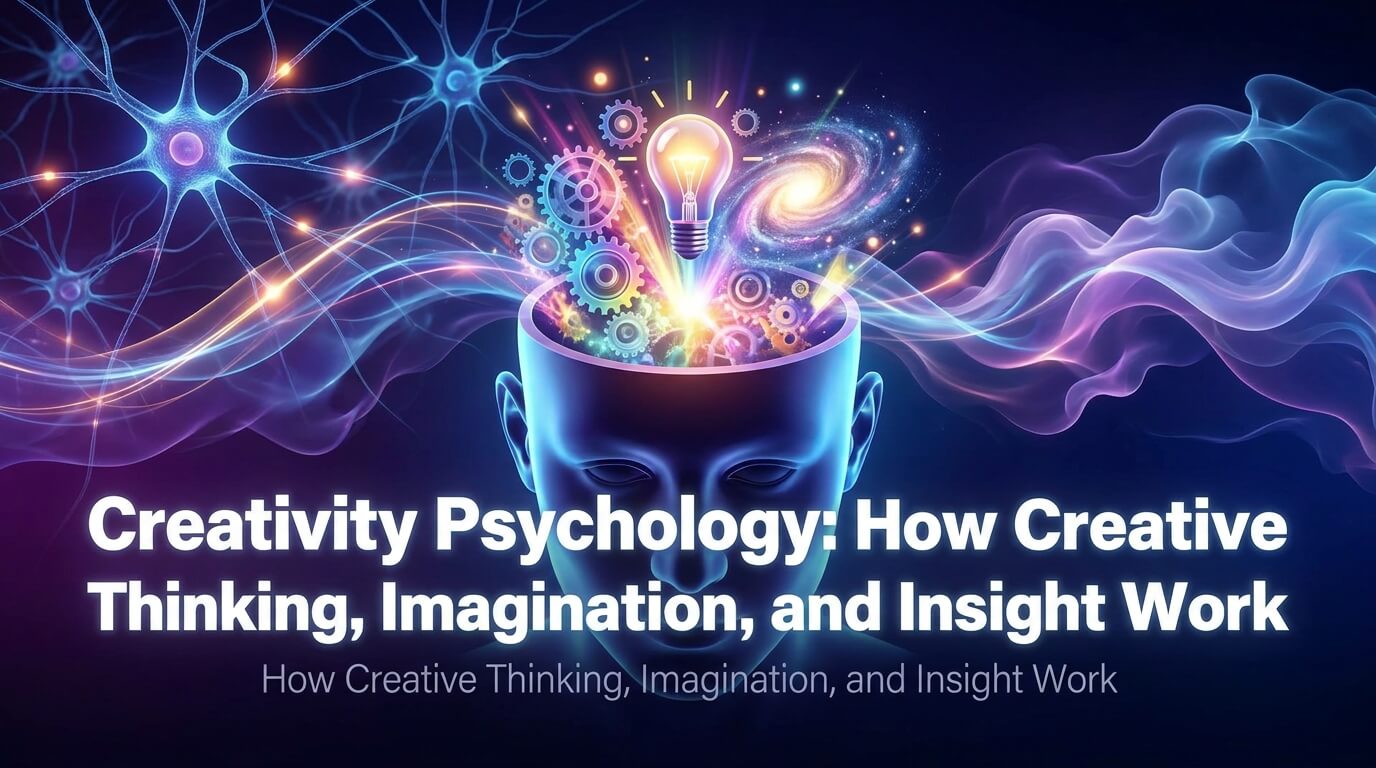
Creativity Psychology: How Creative Thinking, Imagination, and Insight Work

Creativity Psychology: How Creative Thinking, Imagination, and Insight Work thumbnail

Creativity can feel mysterious because the best ideas often seem to arrive from nowhere. A sentence appears in your mind while walking. A solution comes after you stop forcing it. A visual image forms before you know how to explain it. But in psychology, creativity is not treated only as magic, talent, or artistic temperament. … Read more

How to Read Body Language Psychology Without Overthinking Every Cue

How to Read Body Language Psychology Without Overthinking Every Cue featured image

Trying to read body language can feel useful and risky at the same time. A person looks away, folds their arms, pauses before answering, or steps back, and your mind may start building a story. Are they uncomfortable? Are they bored? Are they hiding something? Did you do something wrong? Body language can give meaningful … Read more

Facial Expressions Psychology: How Faces Communicate Emotion

Facial Expressions Psychology: How Faces Communicate Emotion featured image

A face can change the emotional temperature of a conversation before anyone says a full sentence. A quick smile may soften a tense moment. A tightened jaw may make a room feel less open. A blank look may leave someone wondering whether they are being judged, ignored, or simply not understood. Facial expressions psychology looks … Read more

Nervous Body Language: Common Signs of Stress, Anxiety, and Discomfort

Nervous Body Language: Common Signs of Stress, Anxiety, and Discomfort featured image

Nervous body language can be easy to notice and easy to misunderstand. A person shifts in their seat, touches their face, avoids eye contact, speaks too quickly, or keeps adjusting their sleeves, and suddenly observers may assume they are lying, insecure, attracted, guilty, or hiding something. Those assumptions can be unfair. The body often shows … Read more

Personal Space Psychology: Why Distance Changes How We Feel

Personal Space Psychology: Why Distance Changes How We Feel featured image

Someone can say the right words and still feel too close. Another person can stand farther away and still seem warm and respectful. Personal space matters because distance helps the nervous system read comfort, privacy, trust, pressure, and safety. Personal space can feel confusing because the same distance means different things in different settings. Close … Read more

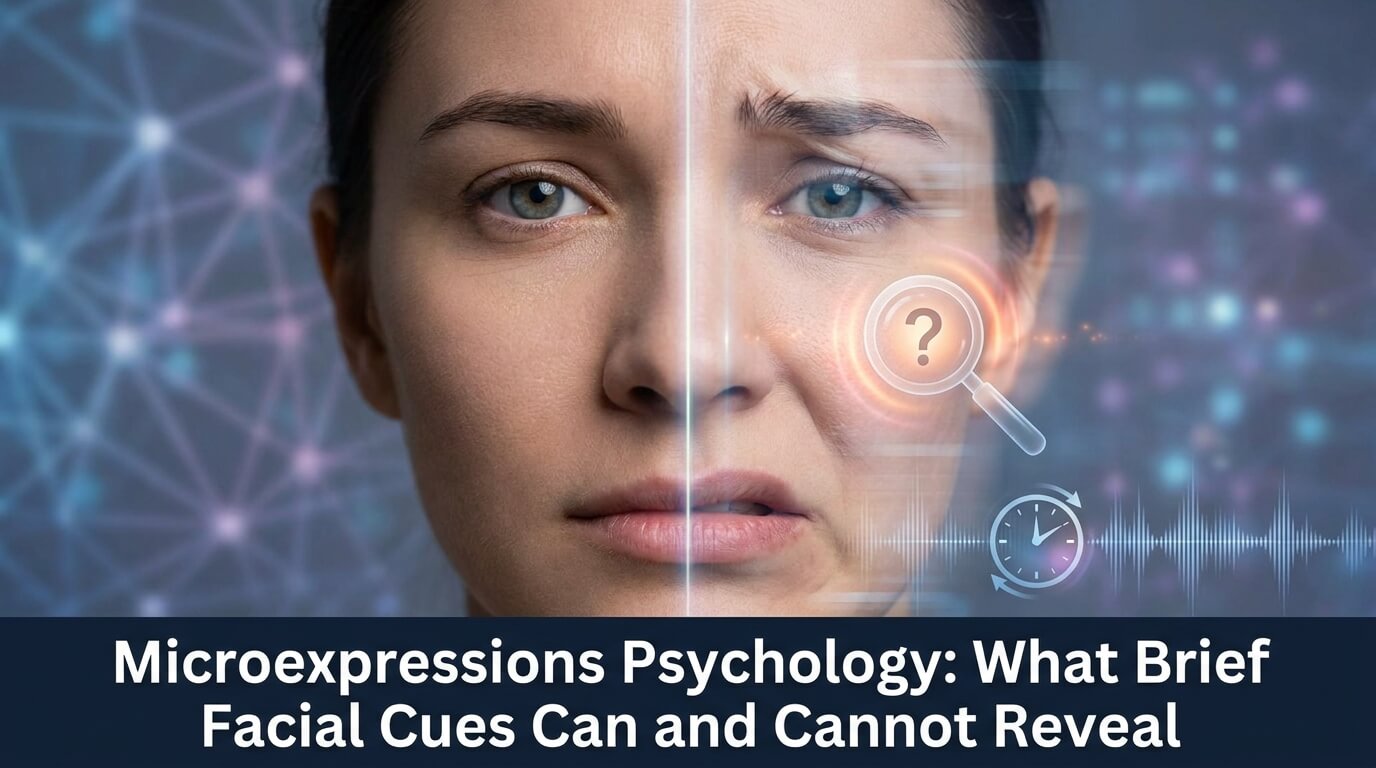
Microexpressions Psychology: What Brief Facial Cues Can and Cannot Reveal

Microexpressions Psychology: What Brief Facial Cues Can and Cannot Reveal featured image

Microexpressions get a lot of attention because they sound like a secret window into the mind. A tiny flash of fear, contempt, sadness, or surprise seems to promise a hidden truth: what someone really feels before they cover it. That idea is fascinating, but it is also easy to misuse. In microexpressions psychology, the safer … Read more