
Choice Overload Psychology: When More Options Hurt
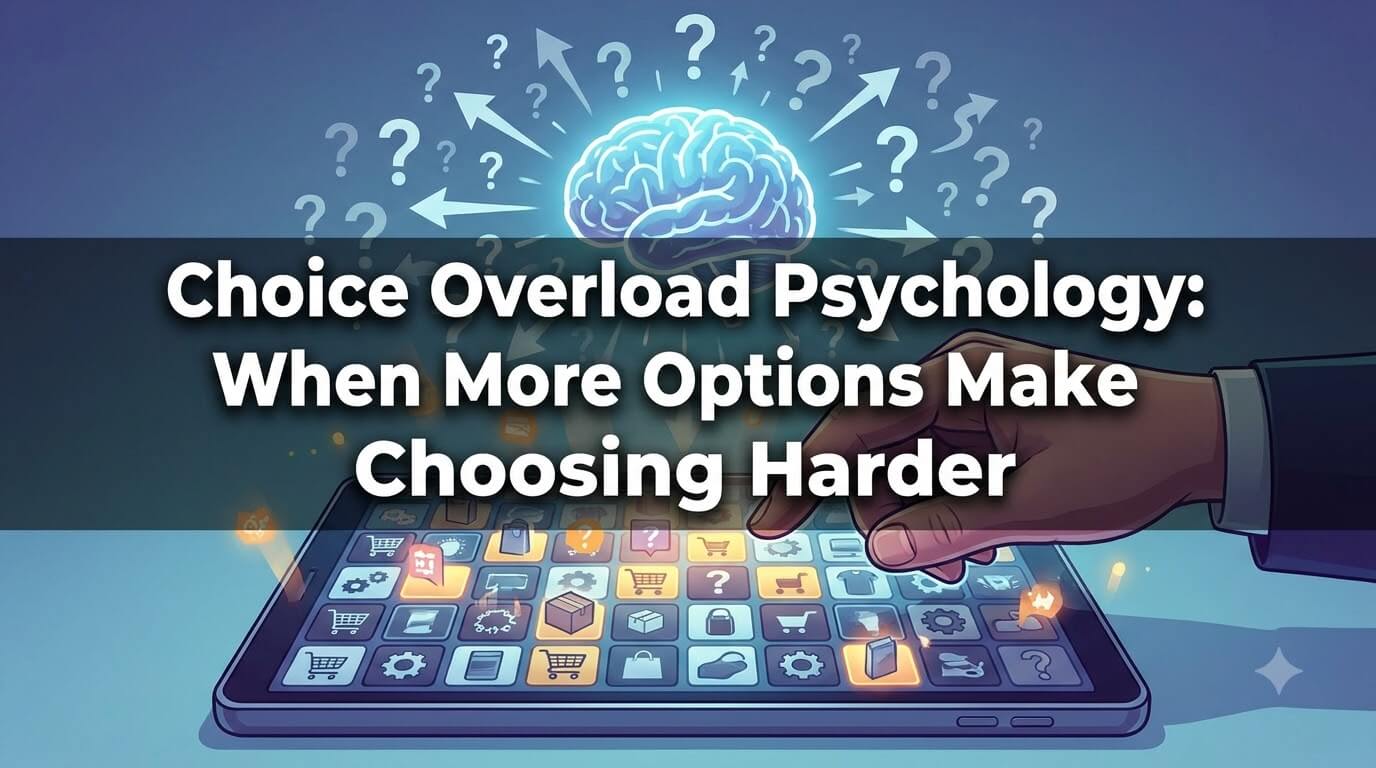
Choice Overload Psychology: When More Options Make Choosing Harder thumbnail

You open a comparison page with twenty laptops, twelve insurance plans, thirty online courses, or a long list of possible jobs. At first, the variety feels useful. Then each option has slightly different strengths, the important differences become harder to track, and choosing one means giving up many plausible alternatives. More choice has created more … Read more
Decision Fatigue Psychology: What Evidence Shows

Decision Fatigue Psychology: Why Repeated Choices Can Change Later Decisions thumbnail

By late afternoon, a decision that seemed manageable in the morning can suddenly feel expensive. You may choose the default, postpone a non-urgent choice, stop comparing options sooner, or say, “Whatever is easiest.” It is tempting to explain all of this with one simple story: you have used up your daily supply of decision-making power. … Read more

Emotion and Decision Making Psychology Explained

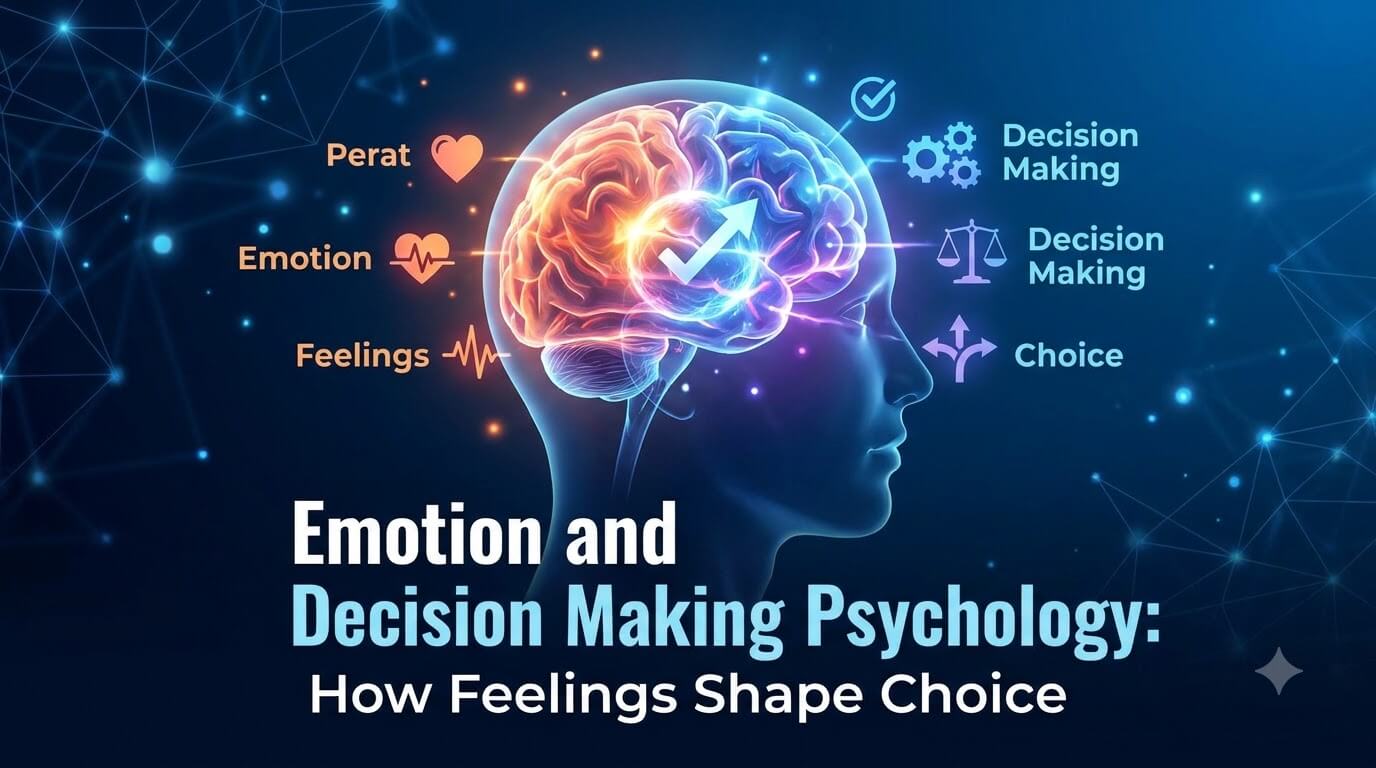
Emotion and Decision Making Psychology: How Feelings Shape Choice thumbnail

A choice can look completely different depending on how you feel when you face it. A job offer may seem exciting in the morning and threatening after a difficult conversation. A purchase may feel urgent when you are frustrated, then unnecessary once the feeling passes. Even when the facts stay the same, emotion can change … Read more

Bounded Rationality Psychology: Why We Can’t Optimize

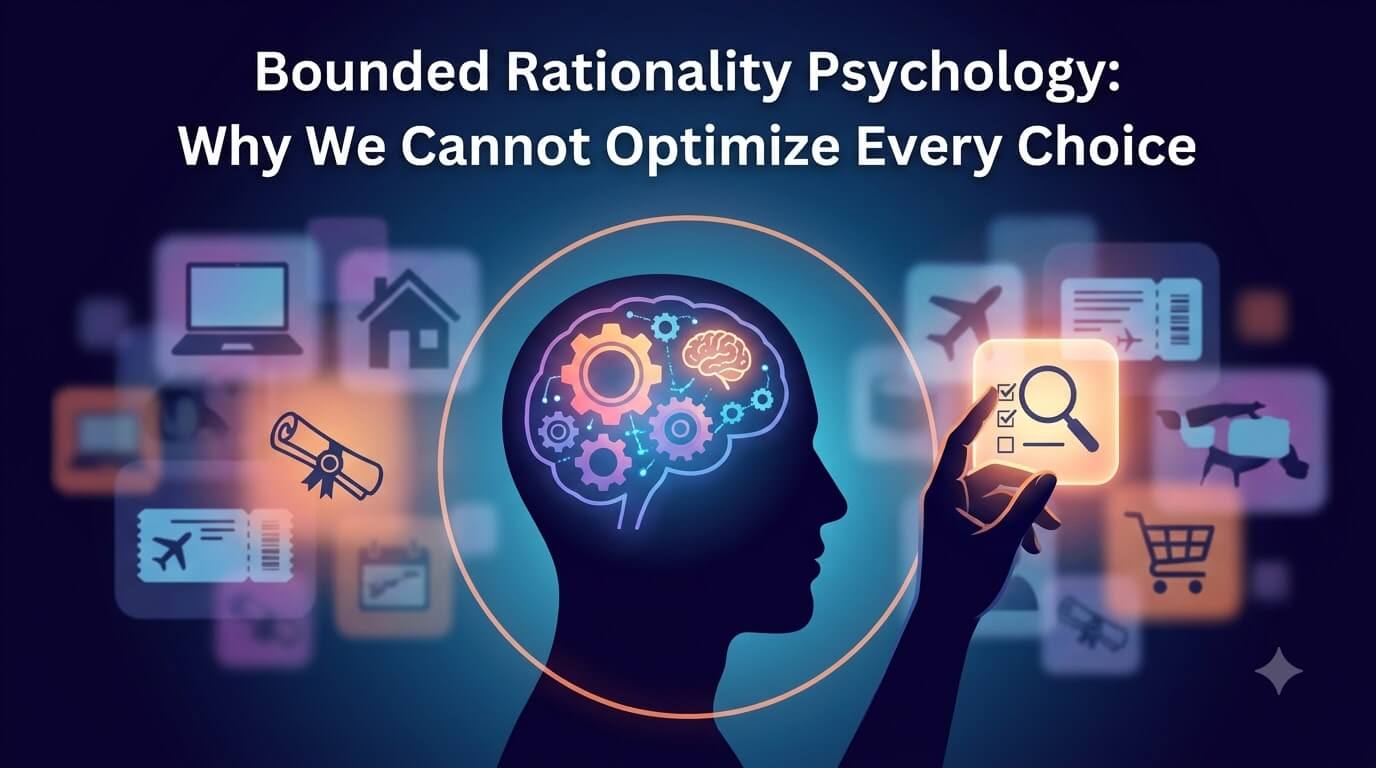
Bounded Rationality Psychology: Why We Cannot Optimize Every Choice thumbnail

You can compare five laptops, read twenty reviews, check prices across several stores, and still feel as though you have not researched enough. The same problem appears with job offers, service providers, schools, travel plans, and major purchases. There is almost always another option or another piece of information to inspect. Bounded rationality psychology starts … Read more

Intuitive vs Analytical Decision Making Explained

Intuitive vs Analytical Decision Making: How the Mind Chooses thumbnail

You have probably had decisions where the answer seemed to arrive before you could explain it. A job offer feels wrong even though the salary looks good. A familiar work problem appears and you immediately know what to try. Then there are choices that refuse to settle until you compare prices, probabilities, consequences, and competing … Read more

Decision-Making Psychology: How the Mind Chooses

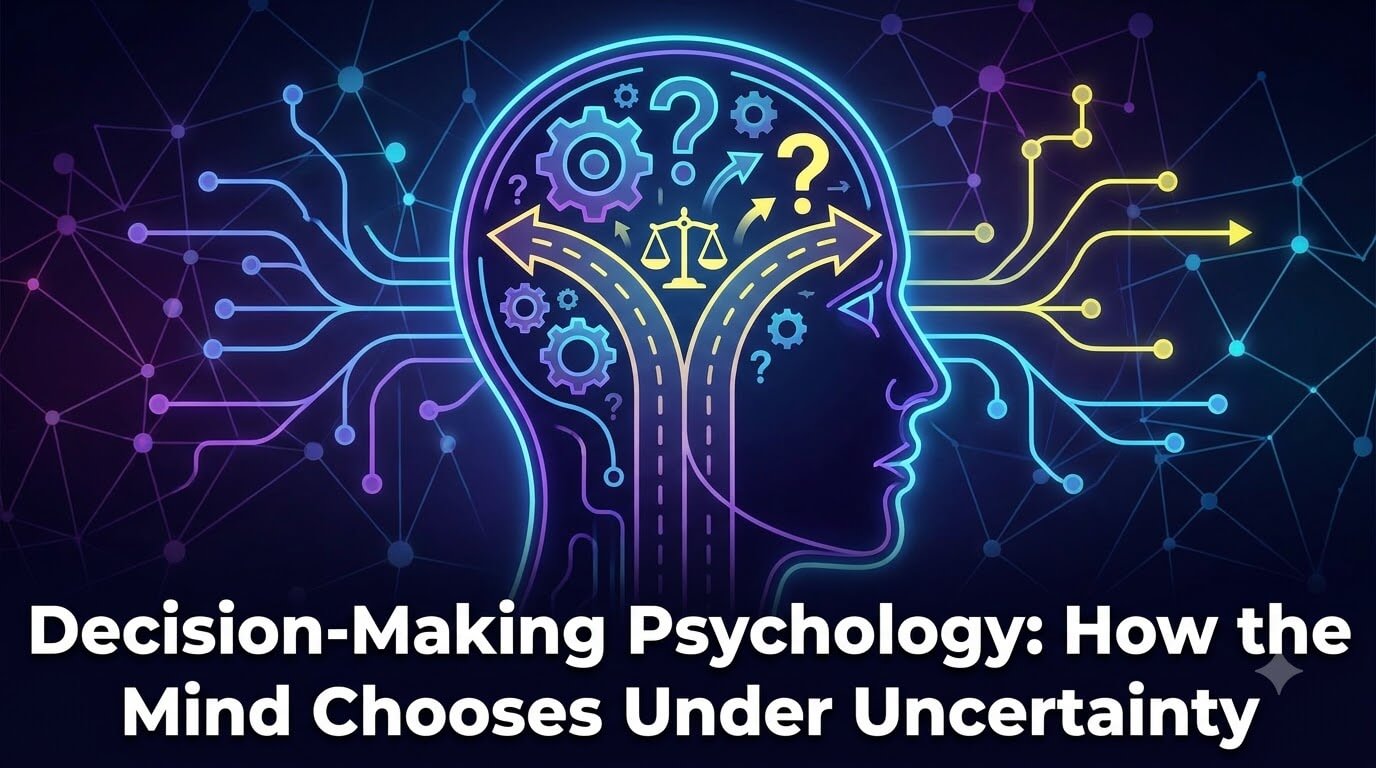
Decision-Making Psychology: How the Mind Chooses Under Uncertainty thumbnail

Some decisions feel difficult even when your thinking is sound. You may have reasonable options, incomplete information, competing priorities, and no way to know the outcome in advance. Choosing then becomes a problem of deciding what matters, how much information is enough, which risks are acceptable, and when to stop comparing. Decision-making psychology examines how … Read more

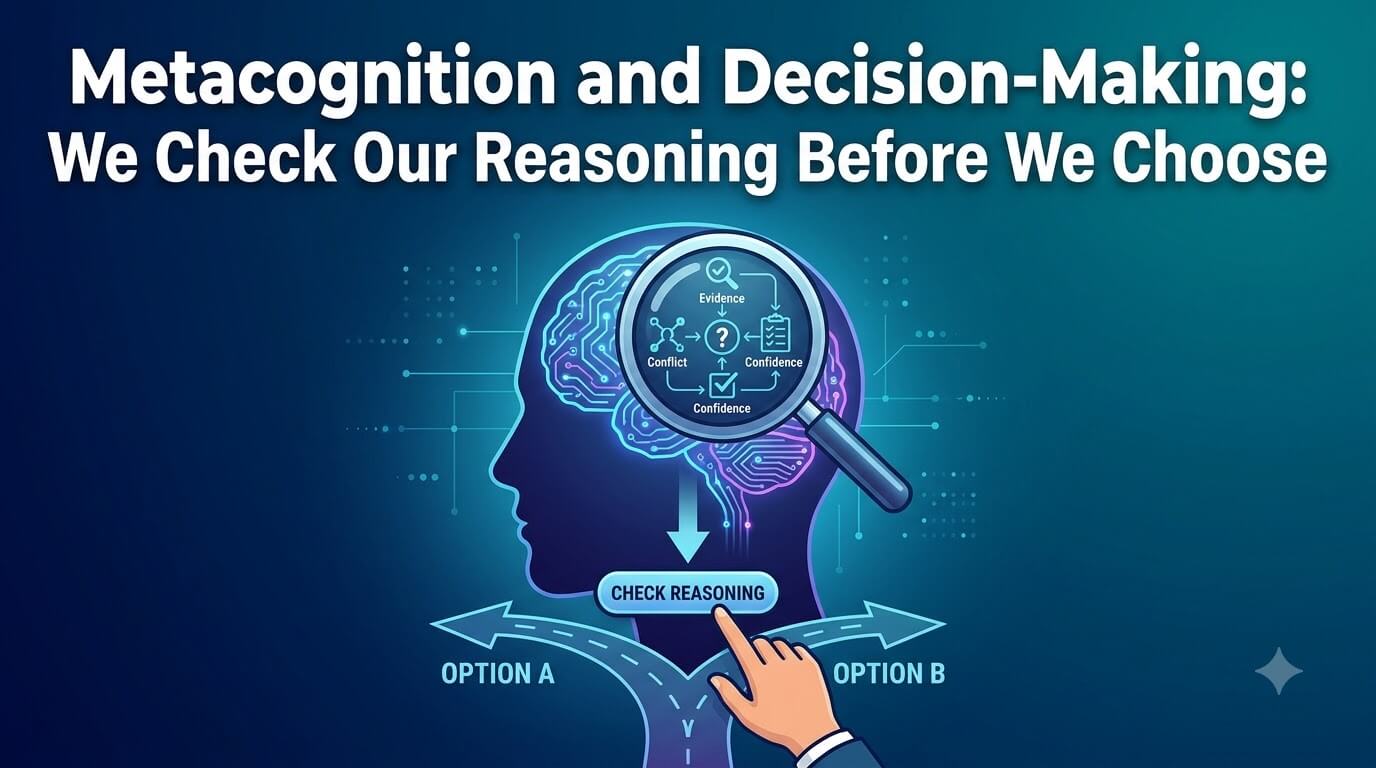
Metacognition and Decision-Making: How We Check Reasoning

Metacognition and Decision-Making: How We Check Our Reasoning Before We Choose thumbnail

A decision does not end with choosing between option A and option B. Before acting, people also make a second judgment: how much should I trust the reasoning that produced this choice? That second judgment is where metacognition enters decision-making. You may notice thin evidence, unusually close options, confidence that outruns the facts, or one … Read more

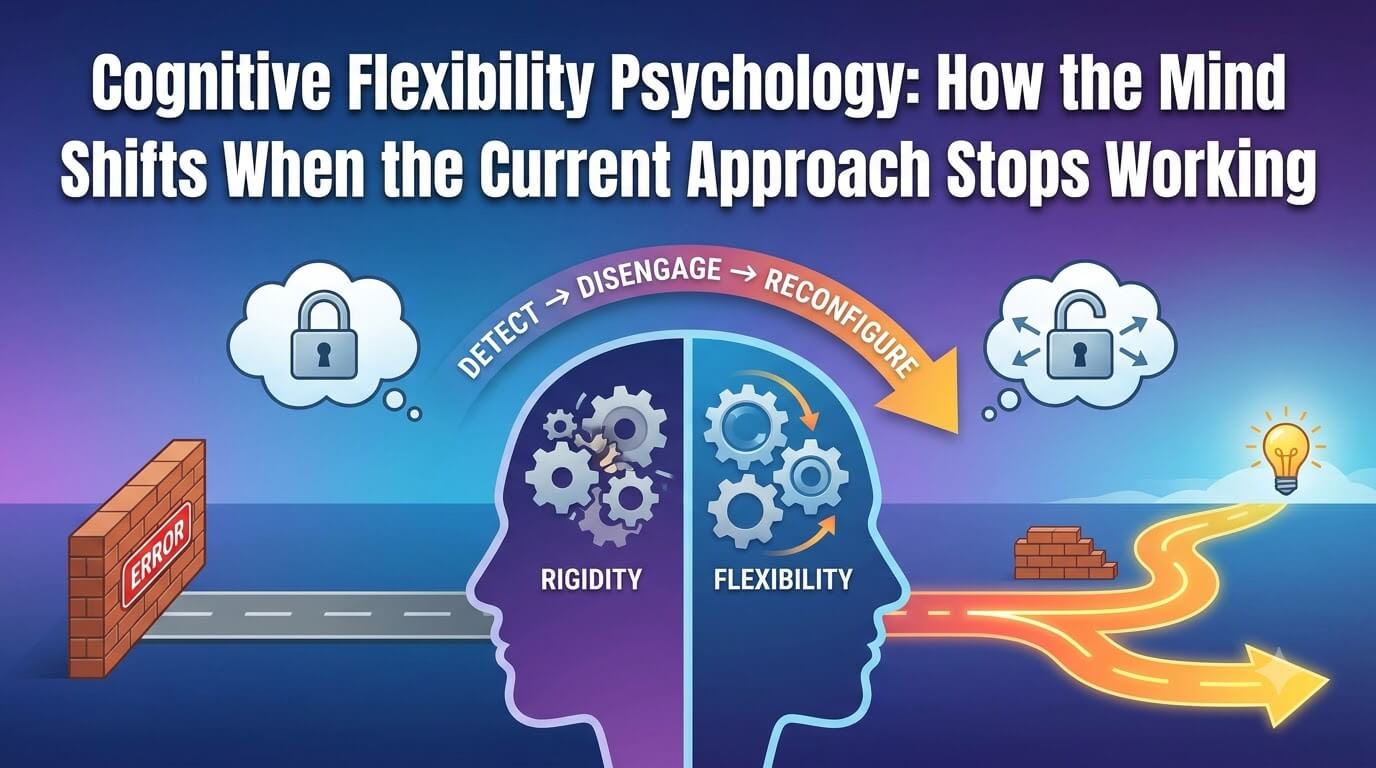
Cognitive Flexibility Psychology: How Thinking Adapts

Cognitive Flexibility Psychology: How the Mind Shifts When the Current Approach Stops Working thumbnail

A strategy can work well for months and suddenly fail when the situation changes. A familiar explanation can make sense until one new fact no longer fits it. A conversation can improve only after you stop defending your first interpretation and consider another one. In each case, the useful move is not simply thinking harder. … Read more