
Difficult Conversations Psychology: Why Hard Talks Trigger Avoidance and Defensiveness

Difficult Conversations Psychology: Why Hard Talks Trigger Avoidance and Defensiveness thumbnail
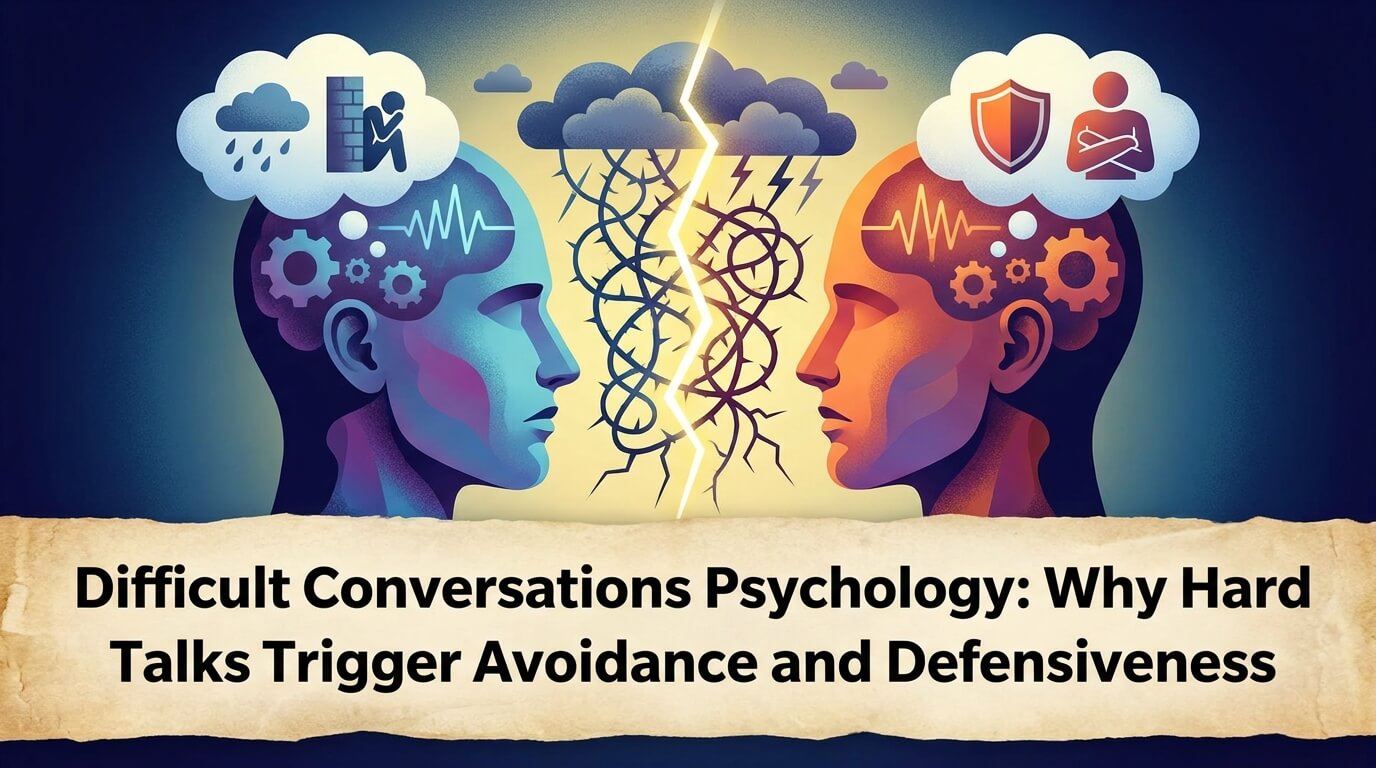
A difficult conversation rarely feels difficult because the topic is complicated on paper. It feels difficult because something important may change. You may risk disappointing someone, being misunderstood, losing status, hearing an answer you do not want, or discovering that the relationship cannot continue in the same form. That pressure can create two opposite mistakes. … Read more
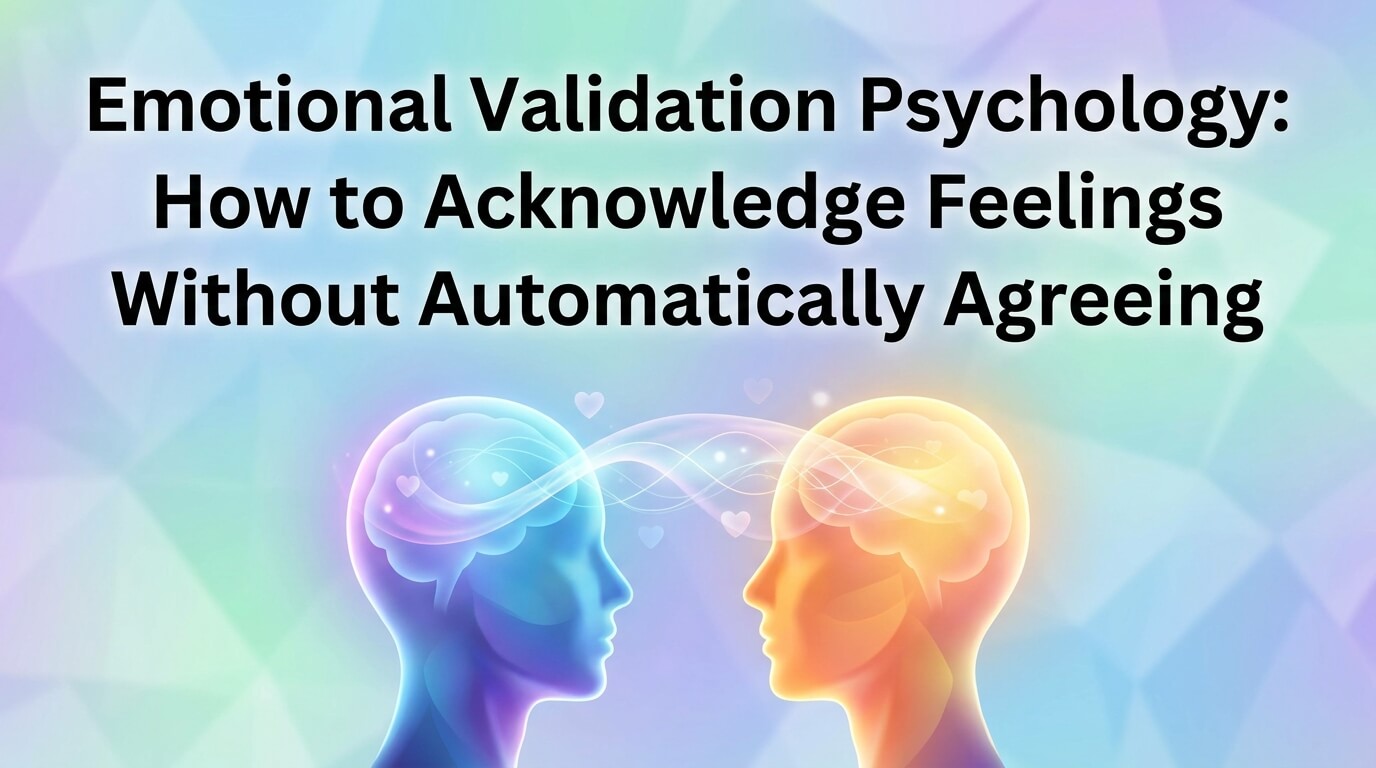
Emotional Validation Psychology: How to Acknowledge Feelings Without Automatically Agreeing

Emotional Validation Psychology: How to Acknowledge Feelings Without Automatically Agreeing thumbnail

Someone tells you they are hurt, angry, anxious, or disappointed. You may want to help, yet the first response that comes to mind is a correction: “That is not what happened,” “You are worrying too much,” or “I did not mean it that way.” The facts may matter, but when correction arrives before emotional acknowledgment, … Read more

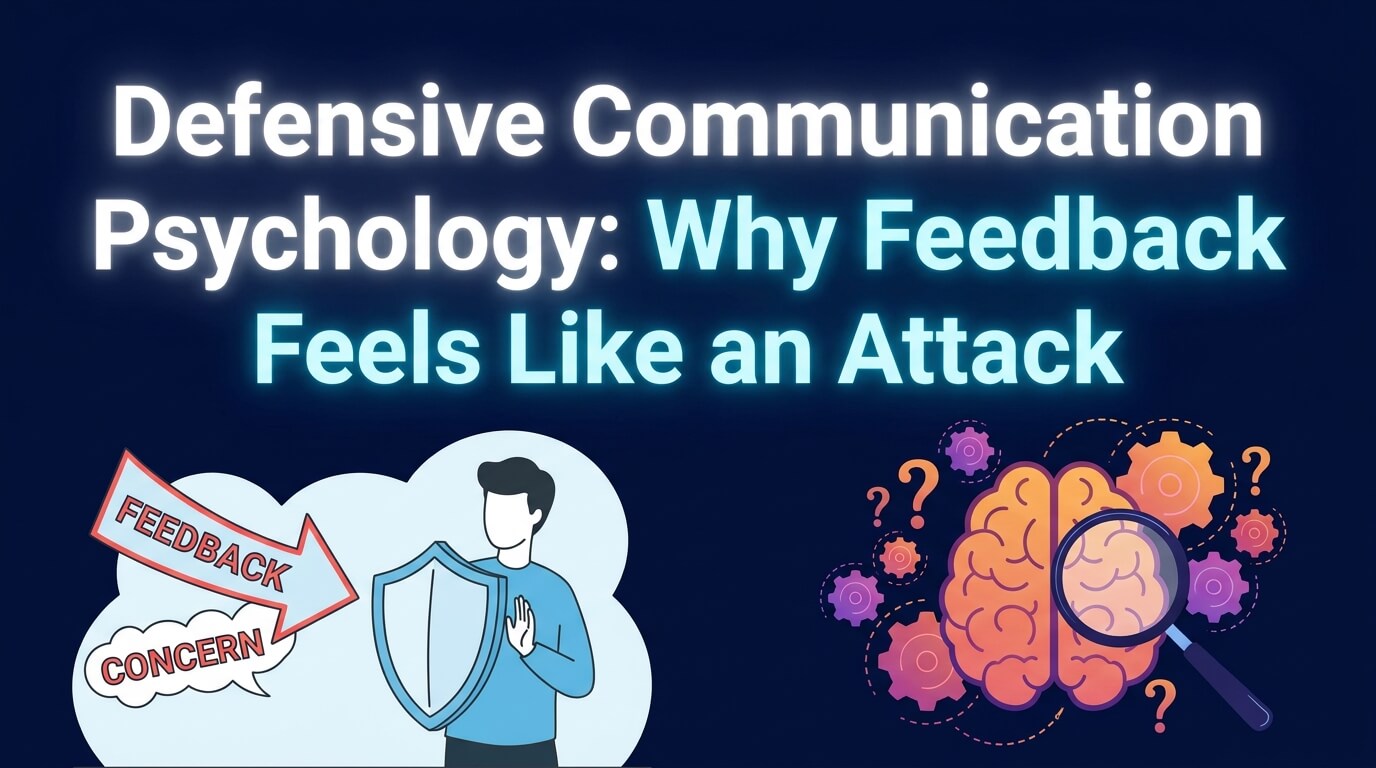
Defensive Communication Psychology: Why Feedback Feels Like an Attack

Defensive Communication Psychology: Why Feedback Feels Like an Attack thumbnail

A simple question can land like an accusation. “Did you send the file?” becomes “You think I am incompetent.” Before the concern is understood, the conversation shifts into denial, justification, counterattack, or shutdown. Defensive communication is not proof of bad character. It often protects identity, fairness, status, belonging, or emotional safety. Yet that protection can … Read more

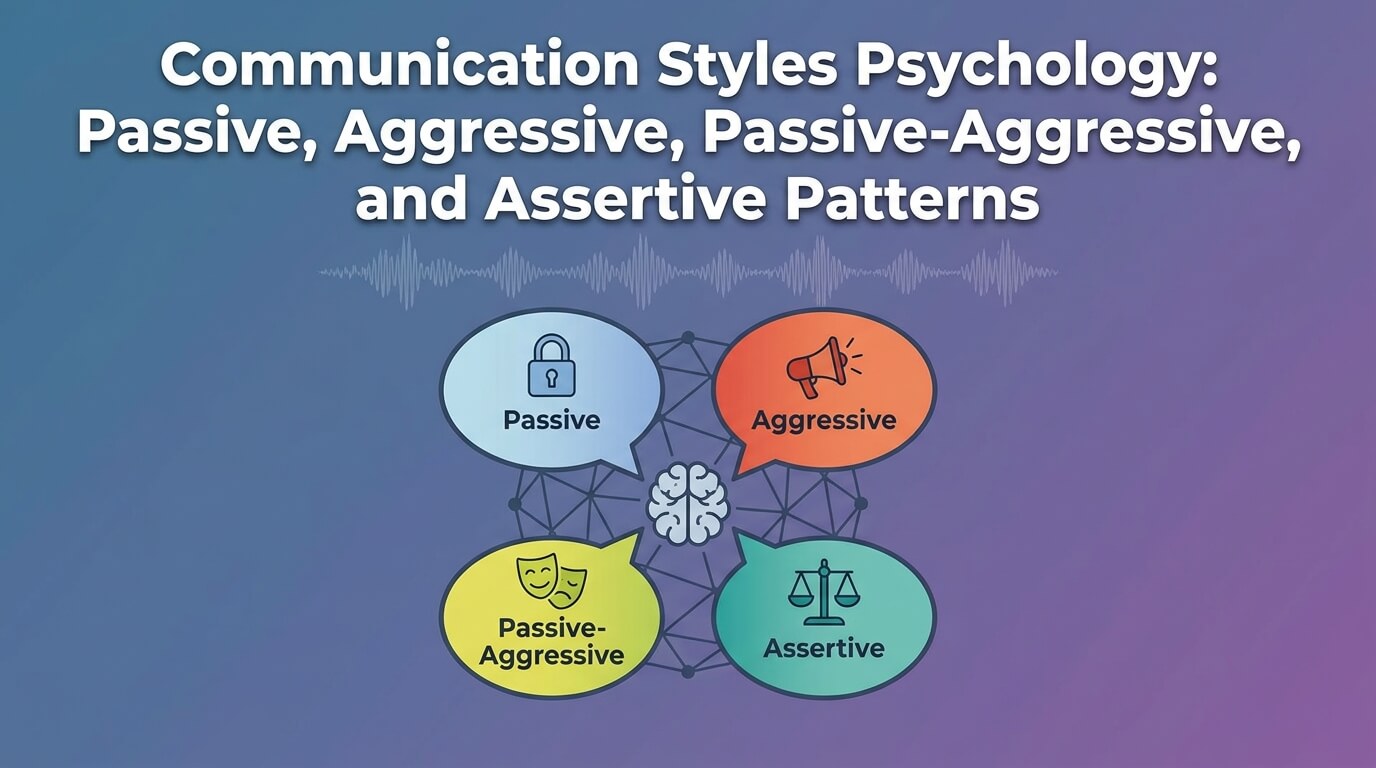
Communication Styles Psychology: Passive, Aggressive, Passive-Aggressive, and Assertive Patterns

Communication Styles Psychology: Passive, Aggressive, Passive-Aggressive, and Assertive Patterns thumbnail

You can know exactly what you want to say and still express it in a way that hides the request, pressures the listener, or leaves both people unsure about what happens next. One person says, “It is fine,” while quietly building resentment. Another pushes until the answer becomes yes. Someone else makes a clear request, … Read more

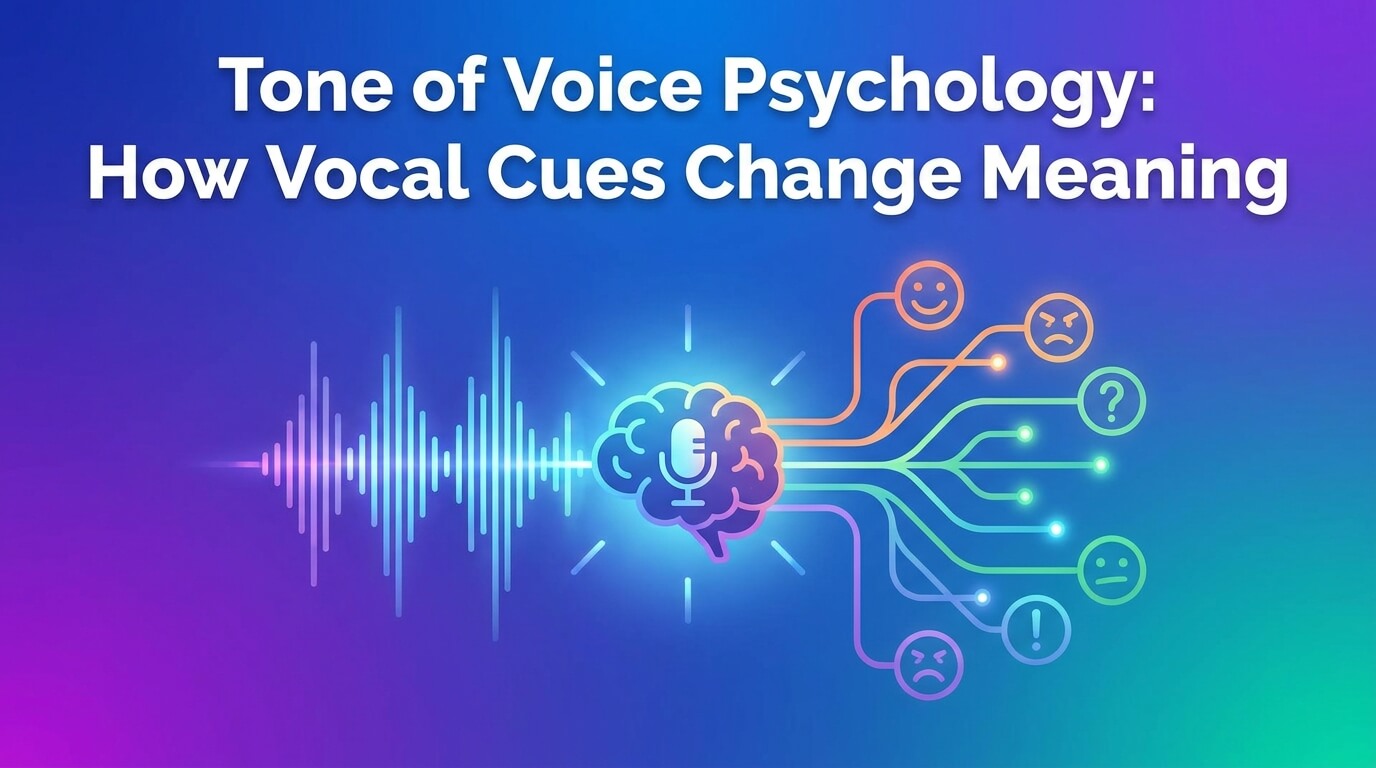
Tone of Voice Psychology: How Vocal Cues Change Meaning

Tone of Voice Psychology: How Vocal Cues Change Meaning thumbnail

You say, “That is fine,” and the other person hears disappointment. A coworker says, “Can we talk?” and the sentence feels urgent even though the words are neutral. Someone tells you they are not upset, but their voice sounds clipped and tense. In spoken communication, people do not respond only to vocabulary. They also respond … Read more

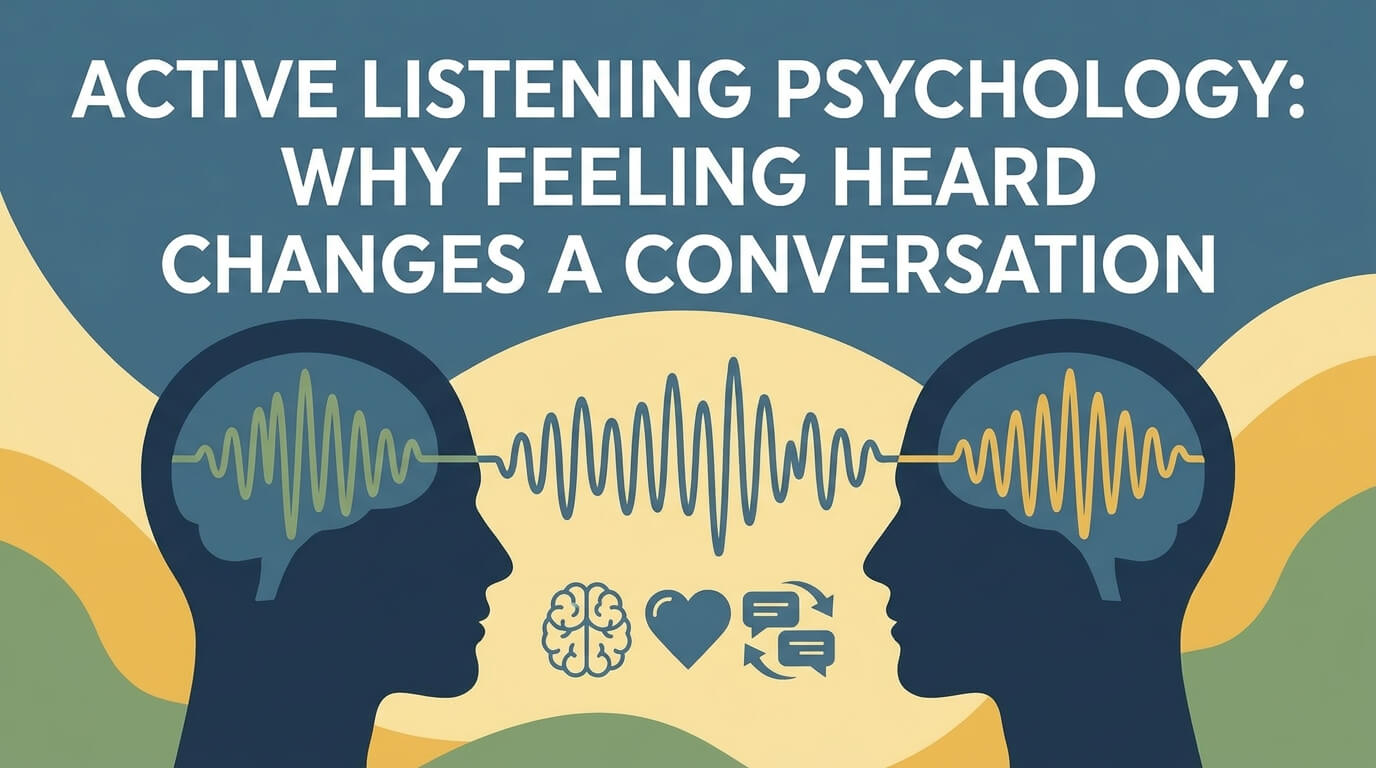
Active Listening Psychology: Why Feeling Heard Changes a Conversation

Active Listening Psychology: Why Feeling Heard Changes a Conversation thumbnail

Someone tells you about a problem, and your mind immediately starts working. You search for a solution, notice a factual error, remember a similar experience, or prepare your side of the story. By the time they finish, you may have a useful response, yet they may still feel that you never fully received what they … Read more

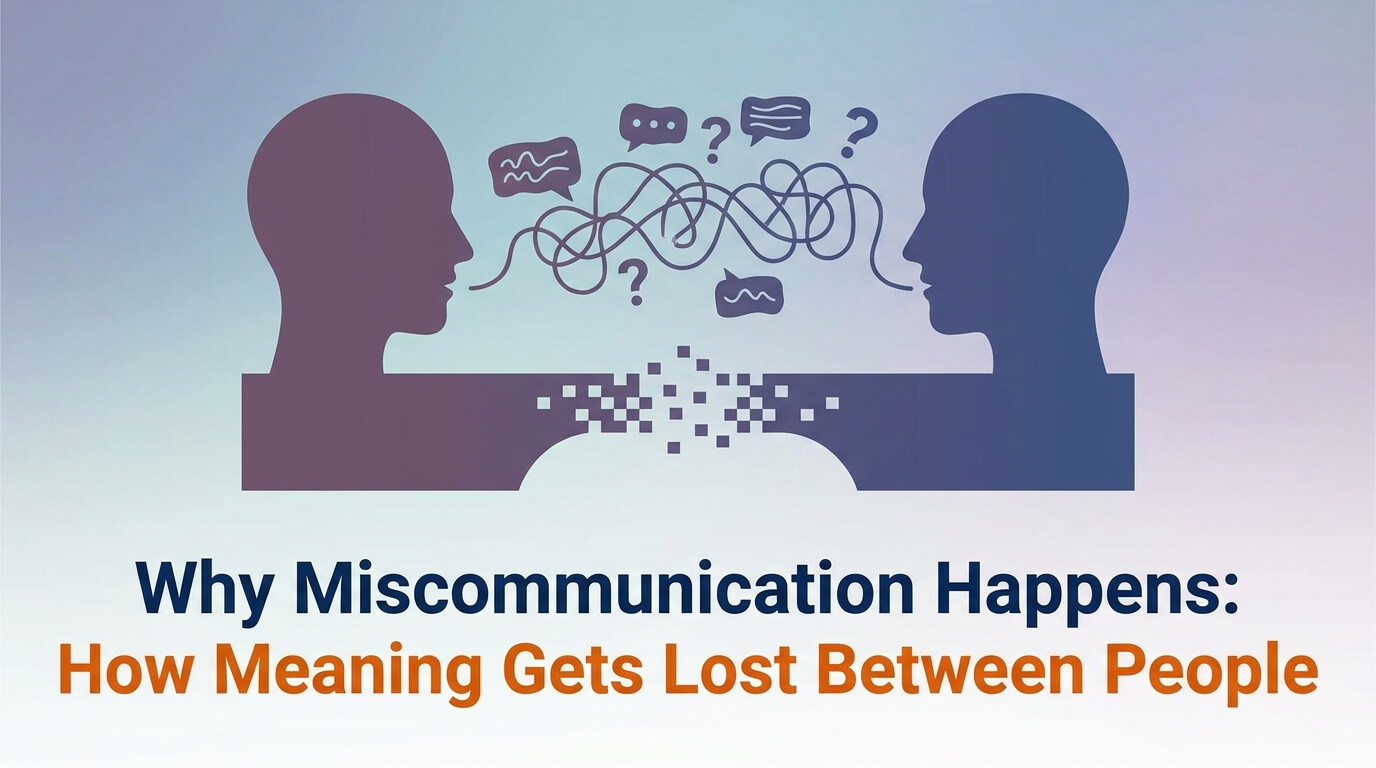
Why Miscommunication Happens: How Meaning Gets Lost Between People

Why Miscommunication Happens: How Meaning Gets Lost Between People thumbnail

You explain something that feels straightforward, then the other person responds to a meaning you never intended. A reminder is heard as criticism. A short work message sounds angry. A delayed reply is treated as rejection. Both people may leave convinced that the other one ignored what was obvious. Miscommunication happens because words do not … Read more

Communication Psychology: Why People Misunderstand, React, and Connect

Communication Psychology: Why People Misunderstand, React, and Connect thumbnail

You can choose your words carefully and still be misunderstood. A short reply may sound efficient to you but cold to someone else. A helpful suggestion may be heard as criticism because of timing, relationship history, or what the listener expects next. Communication psychology looks at what happens between a message being formed and a … Read more

Low Motivation Psychology: Why Drive Feels Missing

Low Motivation Psychology: Why Drive Can Feel Missing thumbnail

Low motivation can feel confusing because the problem is often described with one sentence: “I just cannot make myself care or start.” That sentence may refer to very different experiences. A goal may no longer matter. The task may feel impossible. Your attention may be overloaded, the reward may be too distant, or action may … Read more