
Empathy and Morality: Does Feeling More Help?
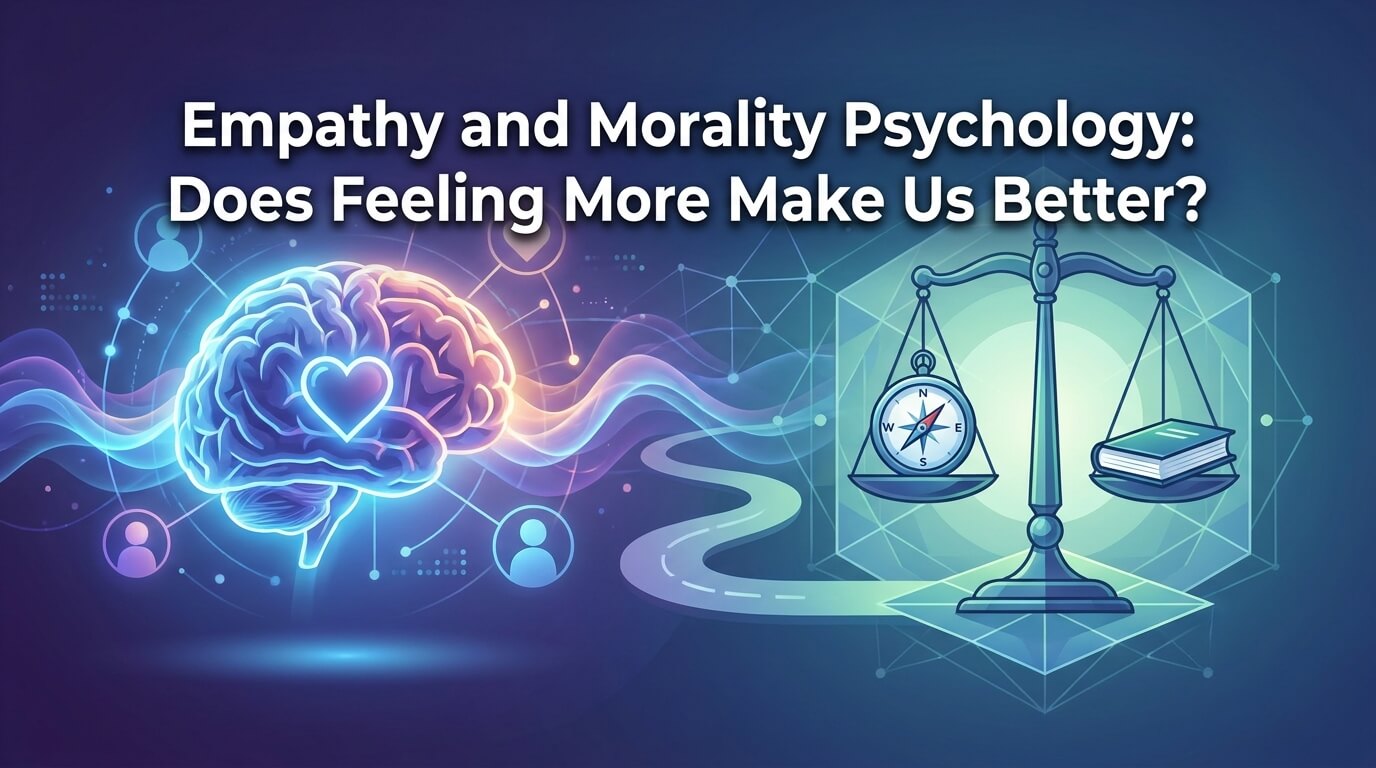
Empathy and Morality Psychology: Does Feeling More Make Us Better? thumbnail

A person tells you about an unfair experience, and their distress immediately matters to you. You picture what the situation felt like, become more willing to help, and judge the harm more seriously. In moments like this, empathy can make moral concern vivid enough to change behavior. Yet empathy does not reach everyone equally. People … Read more
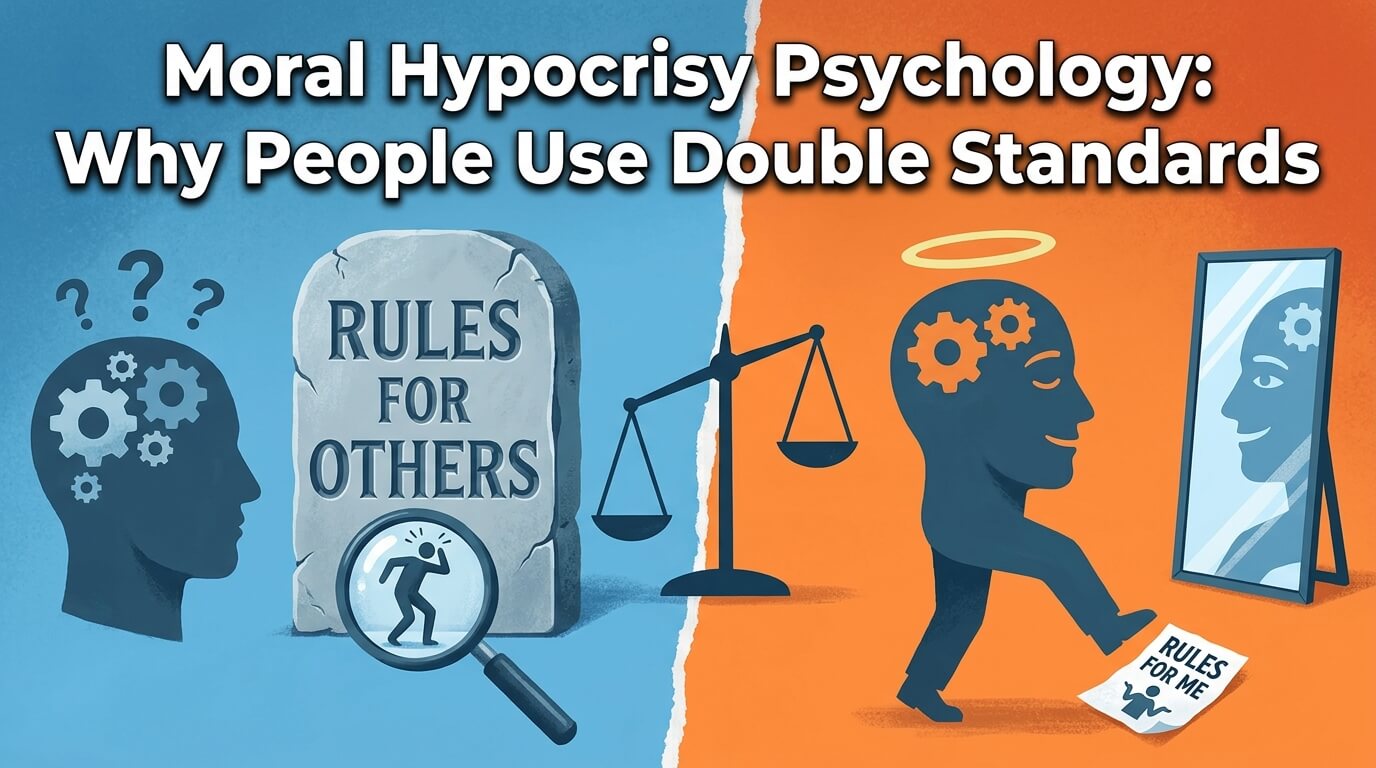
Moral Hypocrisy Psychology: Double Standards

Moral Hypocrisy Psychology: Why People Use Double Standards thumbnail

Someone criticizes dishonesty but hides information when honesty would cost them. A parent demands calm communication while raising their own voice. A friend excuses an ally’s behavior as a mistake but treats the same behavior from an outsider as proof of bad character. These contradictions are often called hypocrisy, but the label is easy to … Read more

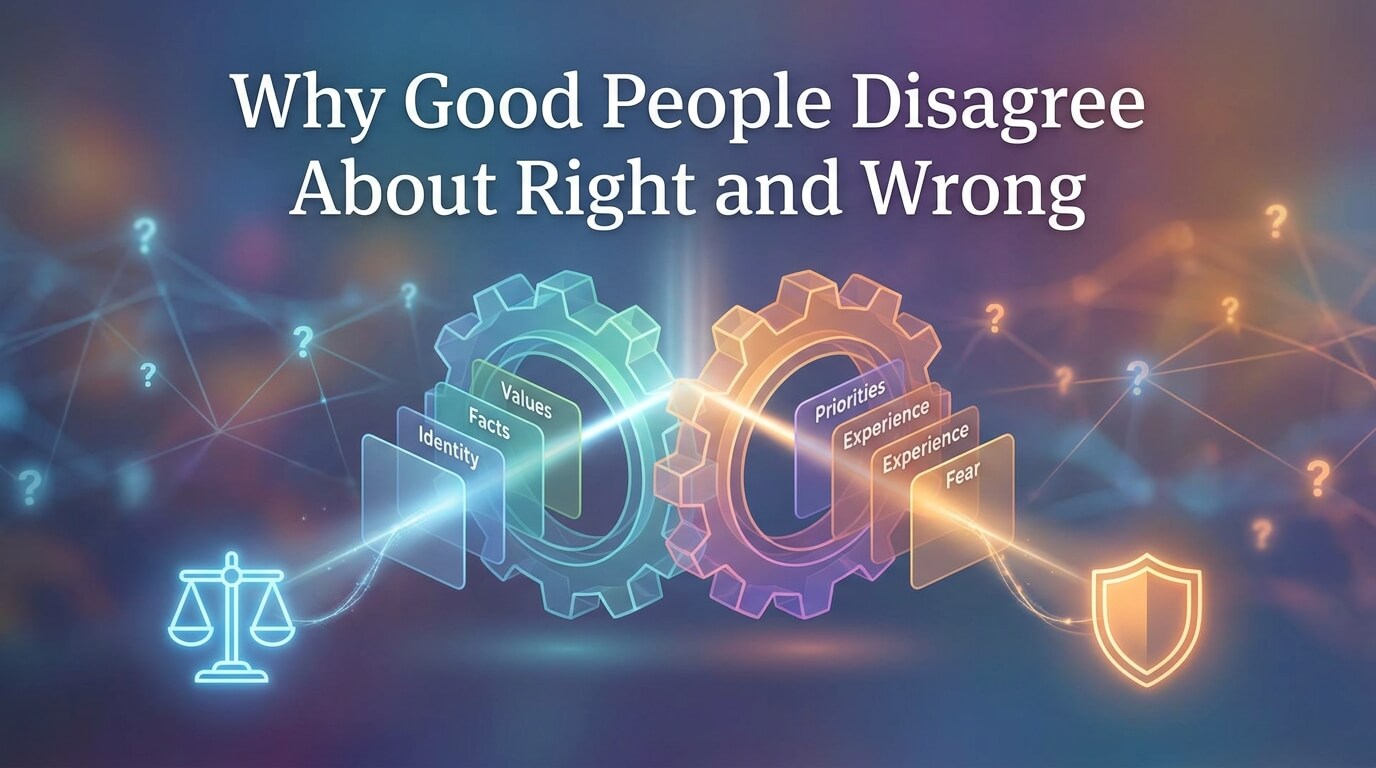
Why Good People Disagree About Right and Wrong

Why Good People Disagree About Right and Wrong thumbnail

Two people can care deeply about fairness, kindness, responsibility, and human dignity, yet reach opposite conclusions about the same situation. One person sees a necessary boundary. Another sees rejection. One sees equal treatment. Another sees a refusal to consider need. One sees loyalty. Another sees favoritism. Moral disagreement becomes especially confusing when both sides appear … Read more

Moral Outrage Psychology: Why Anger Spreads

Moral Outrage Psychology: Why Wrongdoing Can Trigger Powerful Anger thumbnail

You see someone being mocked, cheated, exploited, or treated as if their pain does not matter. Before you have planned a response, anger arrives with a sense of urgency: this should not be happening, someone is responsible, and something needs to change. That combination of moral judgment and emotion is often described as moral outrage. … Read more

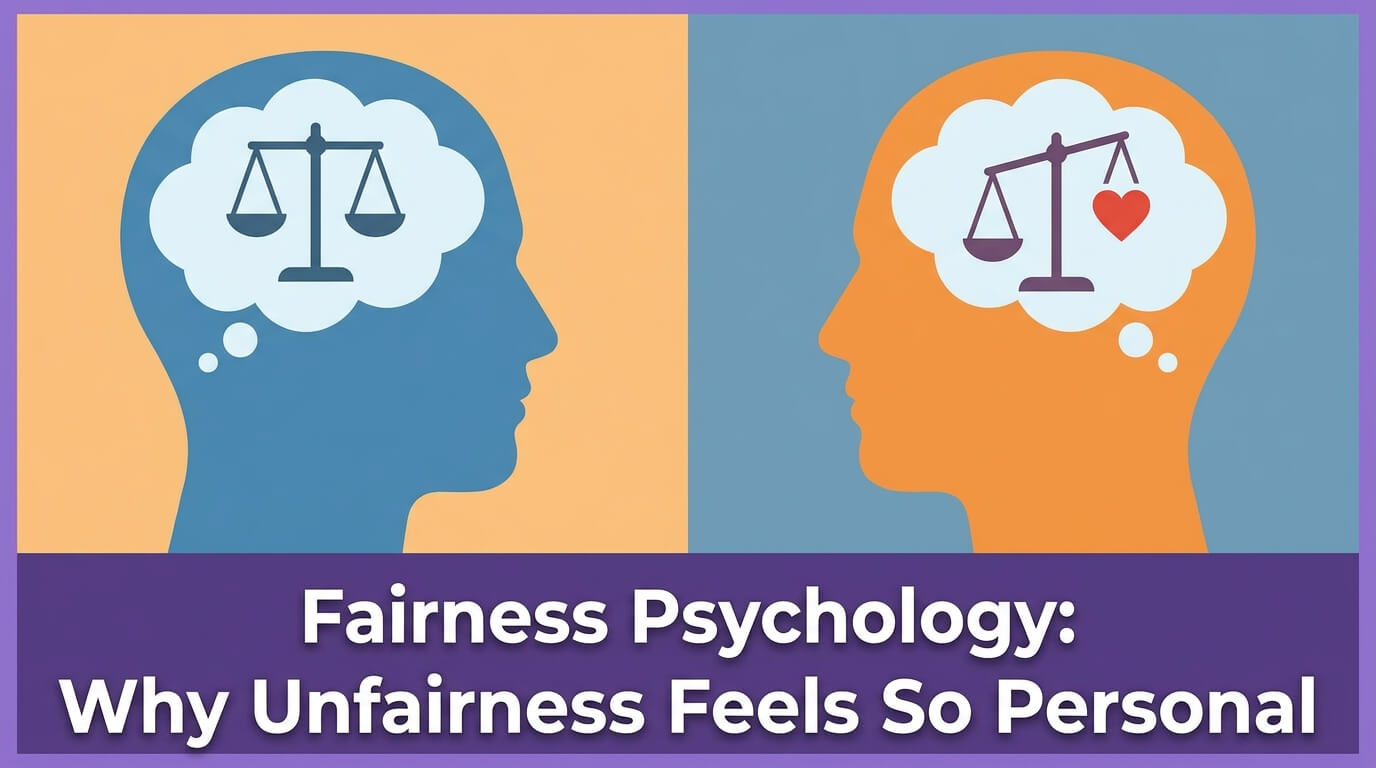
Fairness Psychology: Why Unfairness Hurts

Fairness Psychology: Why Unfairness Feels So Personal thumbnail

Two siblings receive the same amount of help, yet one still feels overlooked. Two friends split a bill equally, but one believes the arrangement ignores a major difference in what each person ordered. A family shares caregiving tasks, and resentment grows because visible chores are counted while planning, worrying, and follow-up remain invisible. These conflicts … Read more

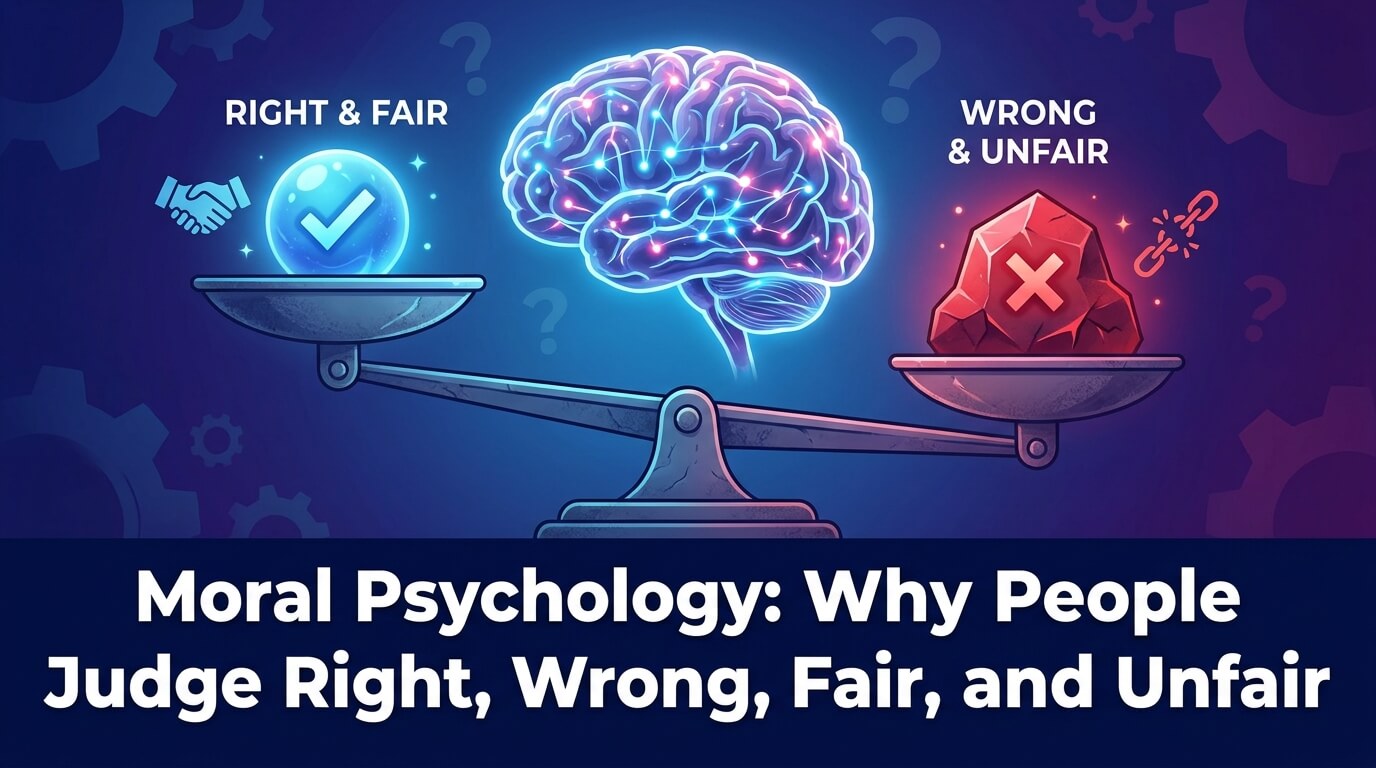
Moral Psychology: How We Judge Right and Wrong

Moral Psychology: Why People Judge Right, Wrong, Fair, and Unfair thumbnail

Two people can watch the same event, hear the same explanation, and still reach opposite conclusions about what was right. One may focus on harm. The other may focus on loyalty, fairness, intention, responsibility, or the rule that was broken. Both may feel certain that the moral meaning is obvious. Moral psychology examines how people … Read more

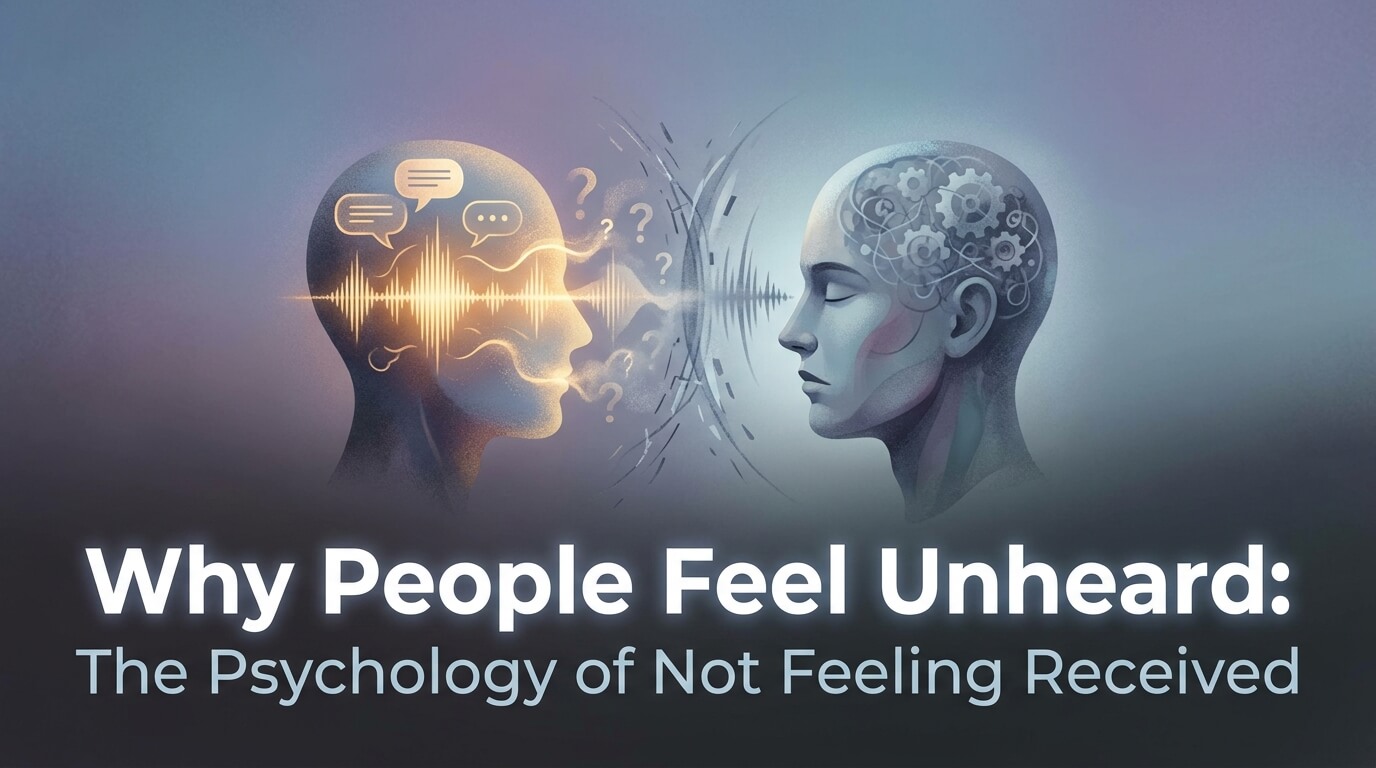
Why People Feel Unheard: The Psychology of Not Feeling Received

Why People Feel Unheard: The Psychology of Not Feeling Received thumbnail

You can speak clearly, receive a reply, and still leave a conversation with the sense that nothing you said truly registered. The other person may have heard the words but missed the meaning. They may have understood the point but ignored the emotion. They may have acknowledged both and then done nothing about the request. … Read more

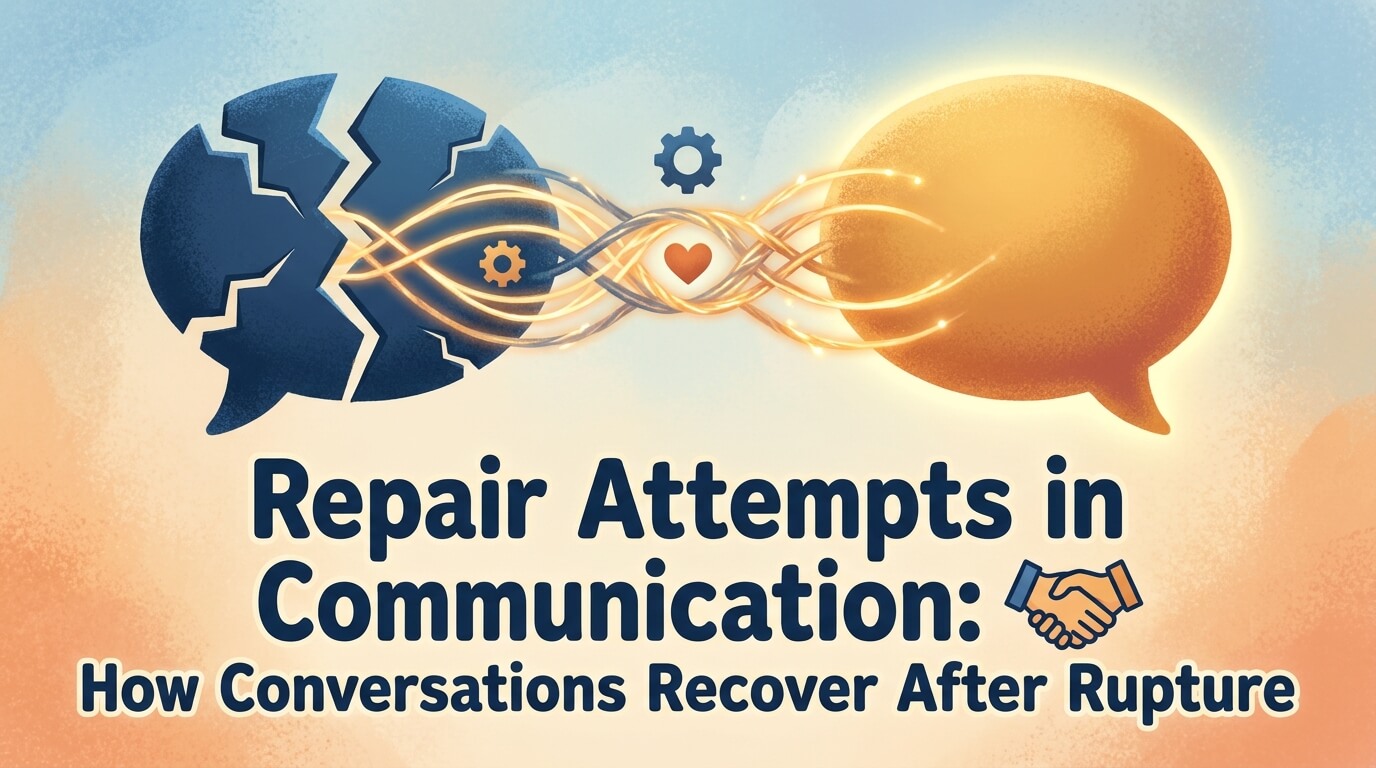
Repair Attempts in Communication: How Conversations Recover After Rupture

Repair Attempts in Communication: How Conversations Recover After Rupture thumbnail

A conversation can go wrong in less than a minute. A joke lands as contempt, a question sounds like blame, an interruption becomes proof that nobody is listening, or a hurried text creates a meaning the sender never intended. Once tension rises, both people may keep arguing about the original topic while also reacting to … Read more