
Why People Resist Changing Their Mind

Why People Resist Changing Their Mind thumbnail

A disagreement can begin with facts and quickly become something else. One person offers evidence, the other becomes defensive, and both sides repeat themselves with greater certainty. The conversation no longer feels like a shared attempt to understand what is true. It feels like a contest over identity, respect, control, or belonging. People do not … Read more

Belief Perseverance Psychology: Why Beliefs Persist

Belief Perseverance Psychology: Why Beliefs Persist Despite Contrary Evidence thumbnail

A correction can be clear, credible, and easy to understand, yet the original belief may still influence judgment. A manager learns that a negative report about an employee was inaccurate but continues to see the employee as unreliable. A person discovers that a health claim came from a weak source but still feels suspicious of … Read more

Cognitive Dissonance Psychology: Why It Happens

Cognitive Dissonance Psychology: Why Conflicting Beliefs and Actions Feel Uncomfortable thumbnail

You may believe honesty matters, then hide a mistake. You may know a purchase was unwise, yet keep defending it because admitting regret feels worse. You may value rest while repeatedly working past exhaustion. The discomfort that follows can feel like tension, irritation, embarrassment, urgency, or a strong need to explain yourself. Cognitive dissonance is … Read more

Belief vs Attitude: Key Differences in Psychology

Belief vs Attitude: What Is the Difference in Psychology? thumbnail

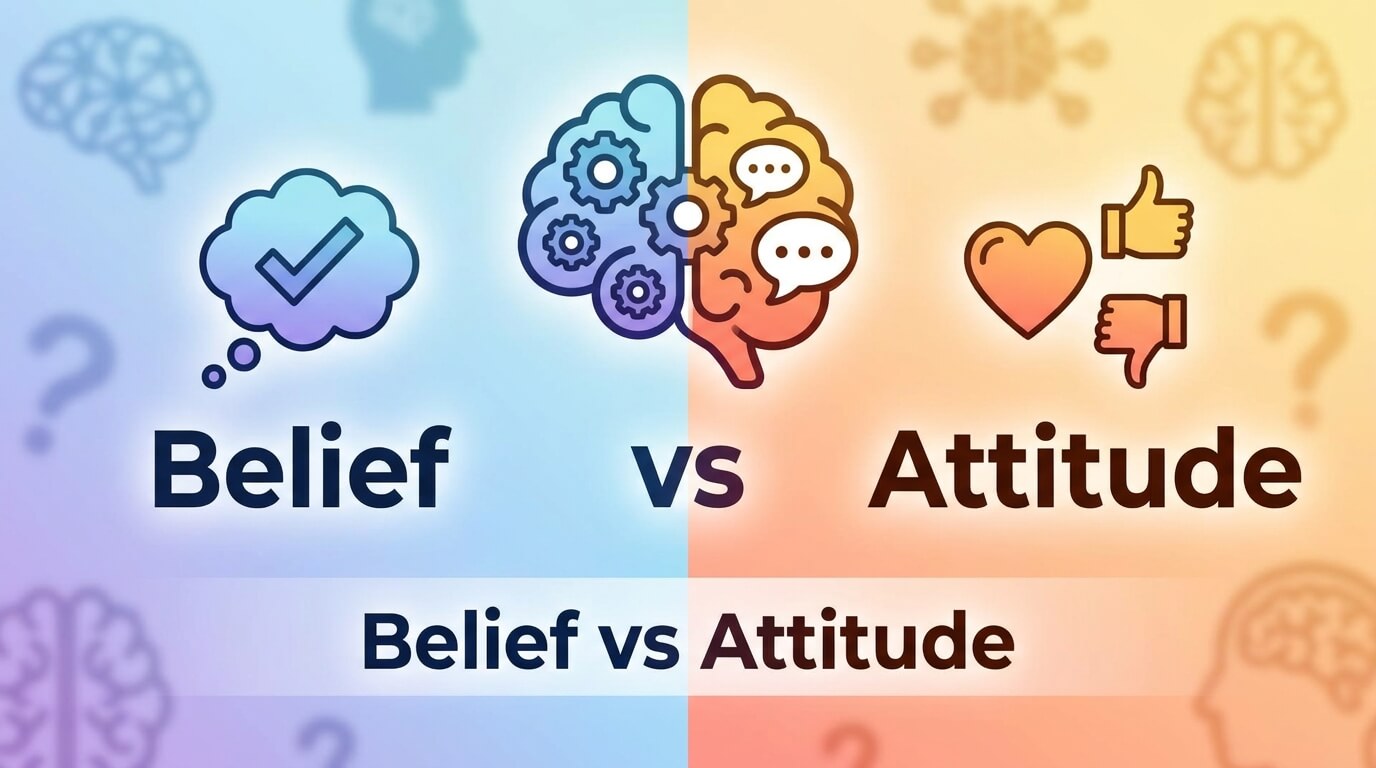
Belief and attitude are often used as if they mean the same thing. They are related, but they answer different psychological questions. A belief concerns what you accept as true, likely, or real. An attitude concerns how you evaluate something, often as positive, negative, desirable, undesirable, safe, risky, appealing, or unpleasant. That difference becomes clearer … Read more

Attitude Psychology: What Attitudes Are and Why They Matter

Attitude Psychology: What Attitudes Are and How They Shape Behavior thumbnail

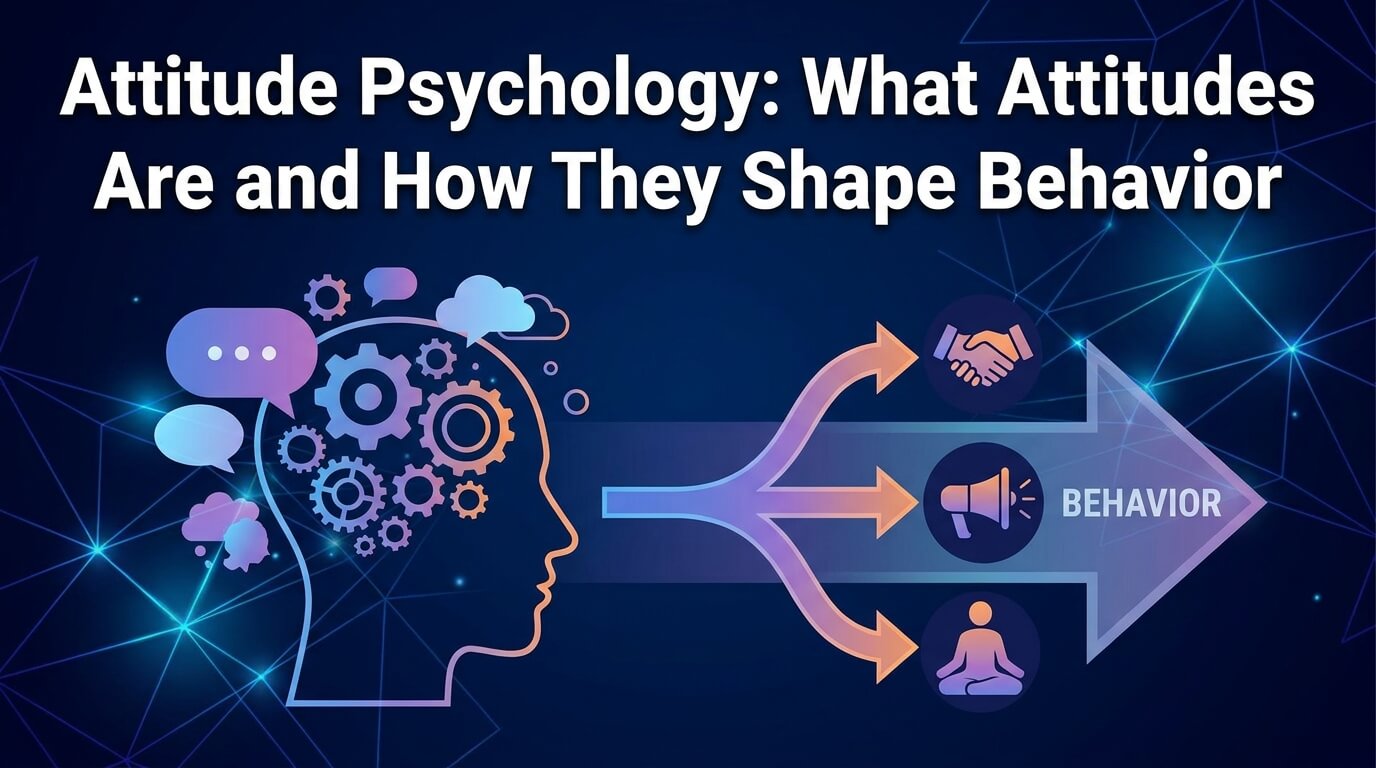
In everyday conversation, “attitude” often means a bad mood, a disrespectful tone, or a difficult personality. Psychology uses the word more precisely. An attitude is an evaluation of something: a person, activity, idea, object, group, policy, or situation. You may have a favorable attitude toward exercise, an uneasy attitude toward public speaking, or a mixed … Read more

Belief Formation Psychology: How Beliefs Begin and Take Hold

Belief Formation Psychology: How Beliefs Begin and Take Hold thumbnail

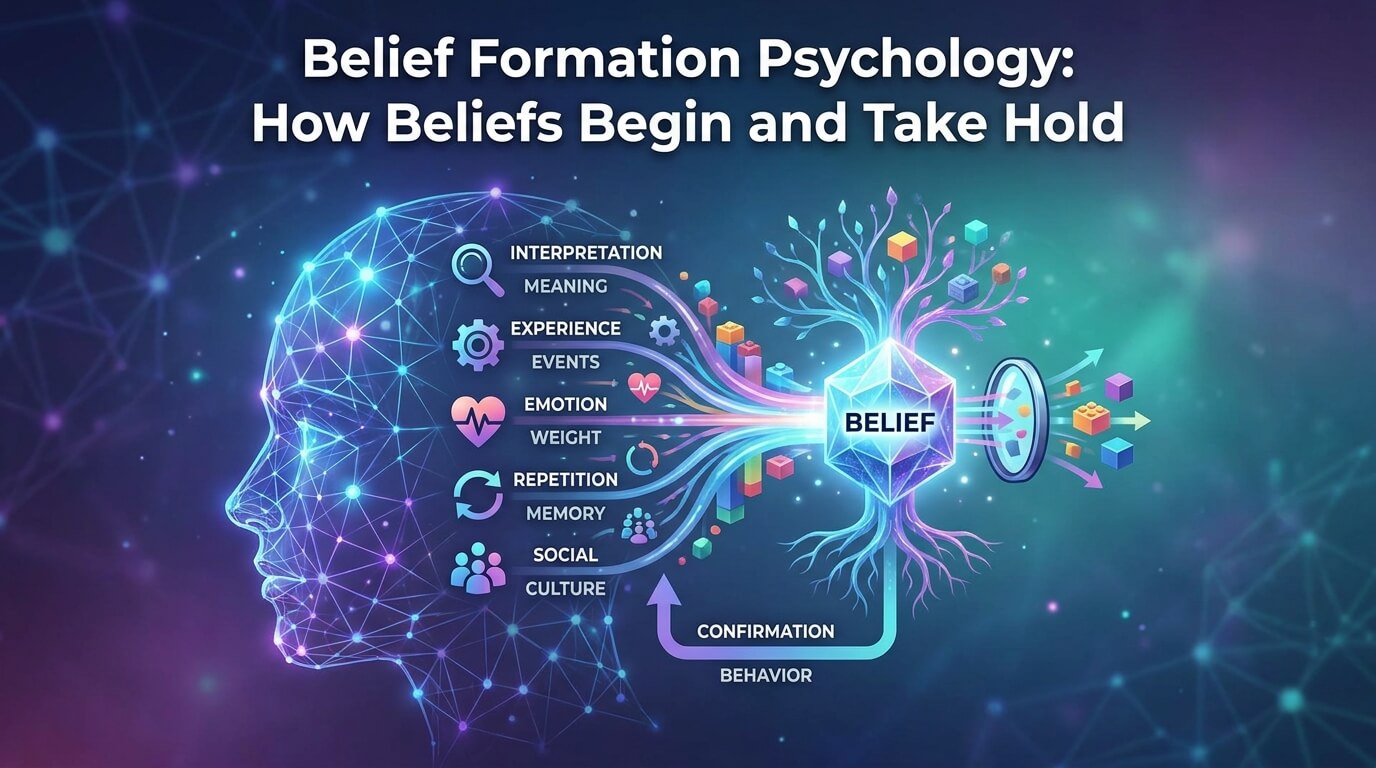
A belief rarely arrives as a carefully tested conclusion. More often, it develops from a mixture of experience, explanation, emotion, repetition, memory, and social feedback. A child hears that mistakes are embarrassing, notices adults reacting sharply to errors, and later concludes, “If I get something wrong, people will think less of me.” An adult has … Read more

Belief Psychology: How Beliefs Shape Thoughts and Behavior

Belief Psychology: How Beliefs Shape Thoughts, Feelings, and Behavior thumbnail

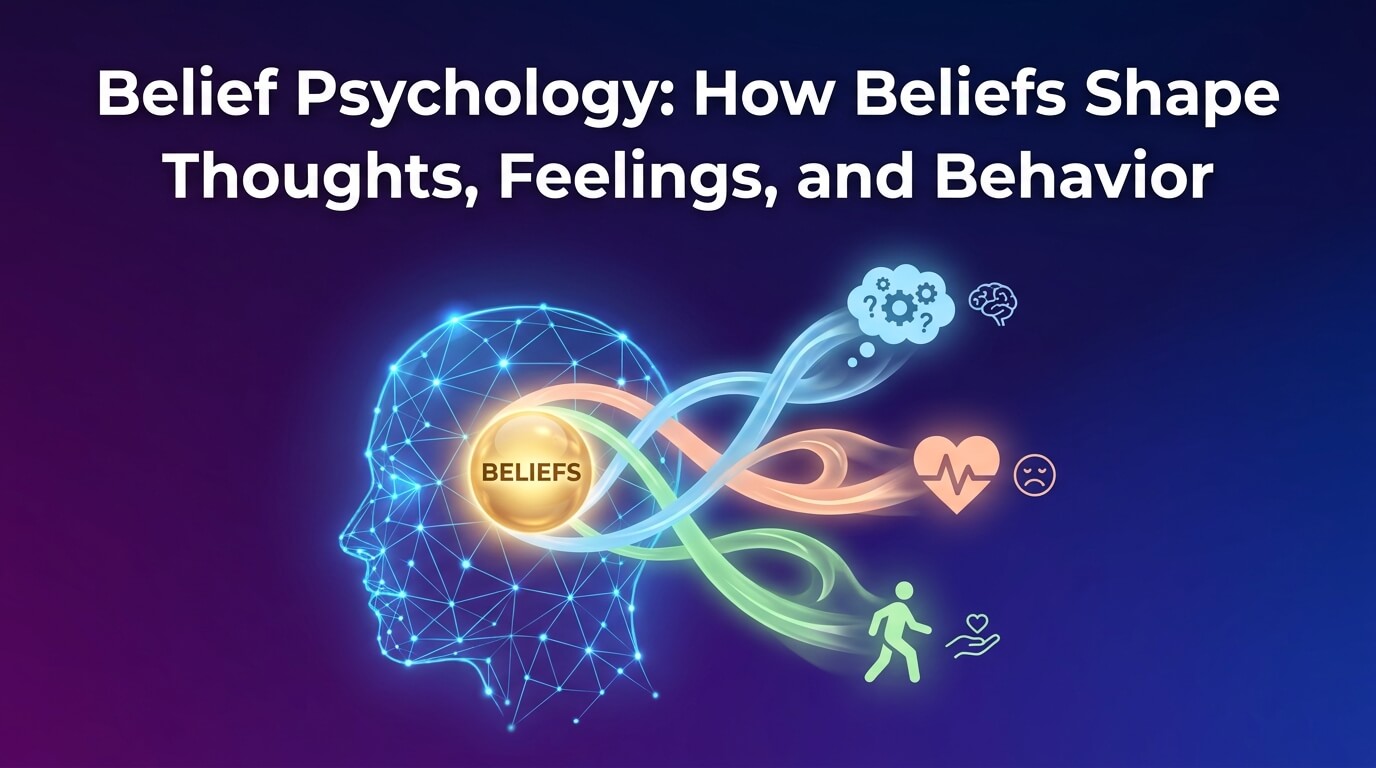
A belief can be as ordinary as “this route is faster” or as personal as “people will leave if I disappoint them.” Some beliefs rest on careful evidence. Others grow from repetition, emotion, family stories, culture, or one powerful experience. Once familiar, a belief can feel like a fact built into the world. Beliefs influence … Read more

Guilt vs Shame: Repair, Avoidance, Accountability

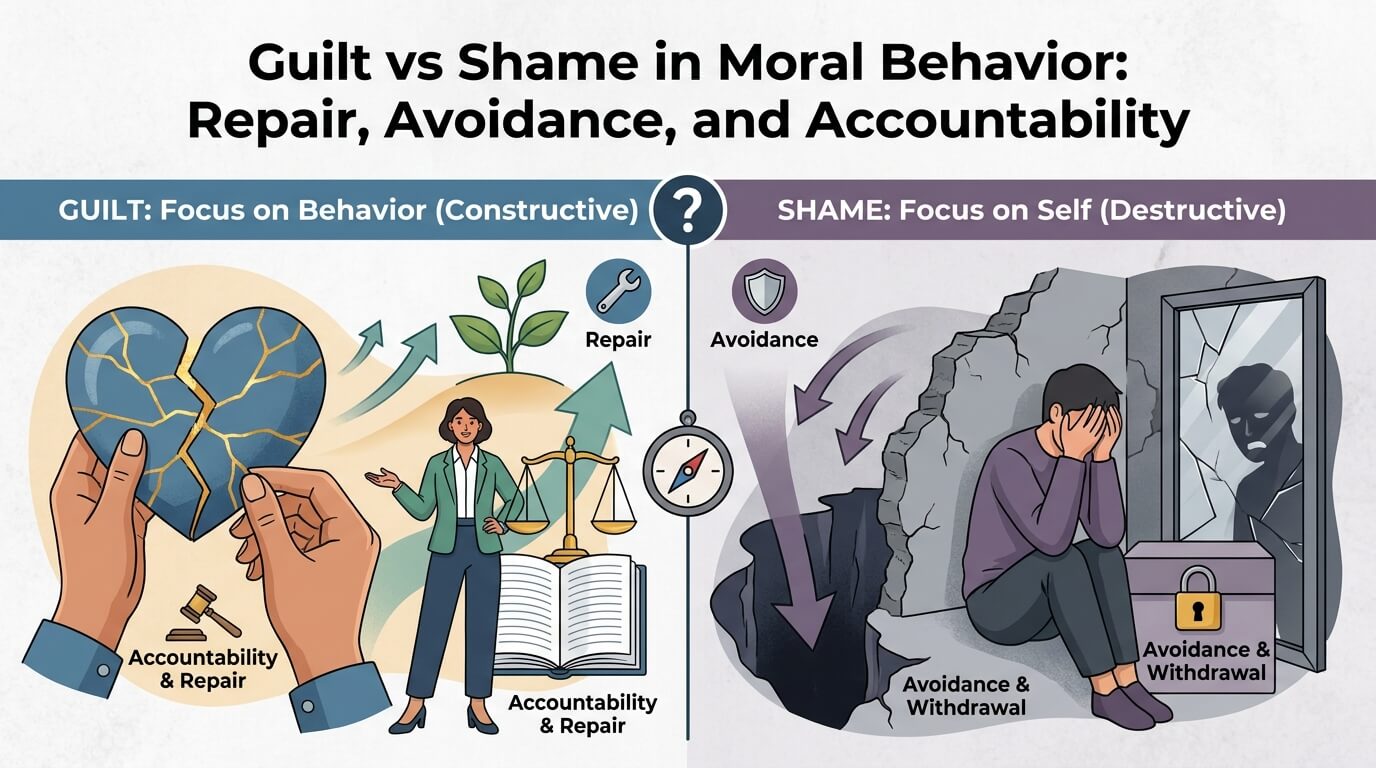
Guilt vs Shame in Moral Behavior: Repair, Avoidance, and Accountability thumbnail

You realize that your words hurt someone. One response sounds like, “I did something wrong, and I need to address it.” Another sounds like, “I am a terrible person, and everyone will see it.” Both reactions can feel painful, but they organize attention in different ways. Guilt usually focuses more on a behavior, decision, or … Read more

Ethical Decision-Making Psychology: 9 Steps

Ethical Decision-Making Psychology: How People Choose Under Moral Pressure thumbnail

You discover a mistake that benefits you. A friend asks you to keep information private, but you worry someone could be harmed. A group expects loyalty, while the fair decision may disappoint people you care about. In these situations, the difficulty is not simply choosing what you prefer. The choice affects trust, harm, rights, responsibility, … Read more

Ingroup vs Outgroup Morality: Why Standards Shift

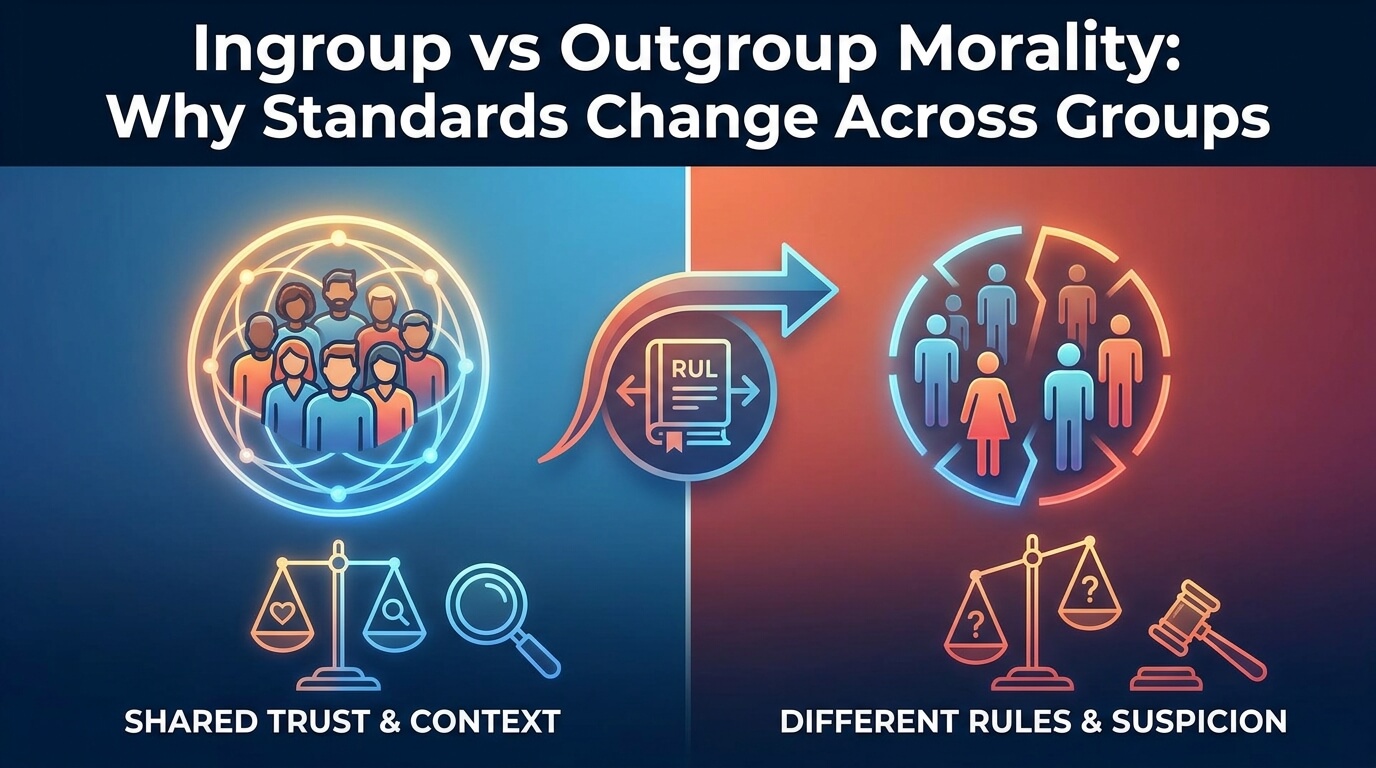
Ingroup vs Outgroup Morality: Why Standards Change Across Groups thumbnail

You hear that a close friend made a harmful mistake and immediately think about their stress, intentions, and usual character. You hear that a stranger from a disliked group did something similar and feel less need for context. The friend appears complicated. The stranger appears obvious. This difference is one way group membership can shape … Read more