Hypothesis Testing Psychology: How We Test Explanations Against Evidence

Hypothesis Testing Psychology: How We Test Explanations Against Evidence thumbnail
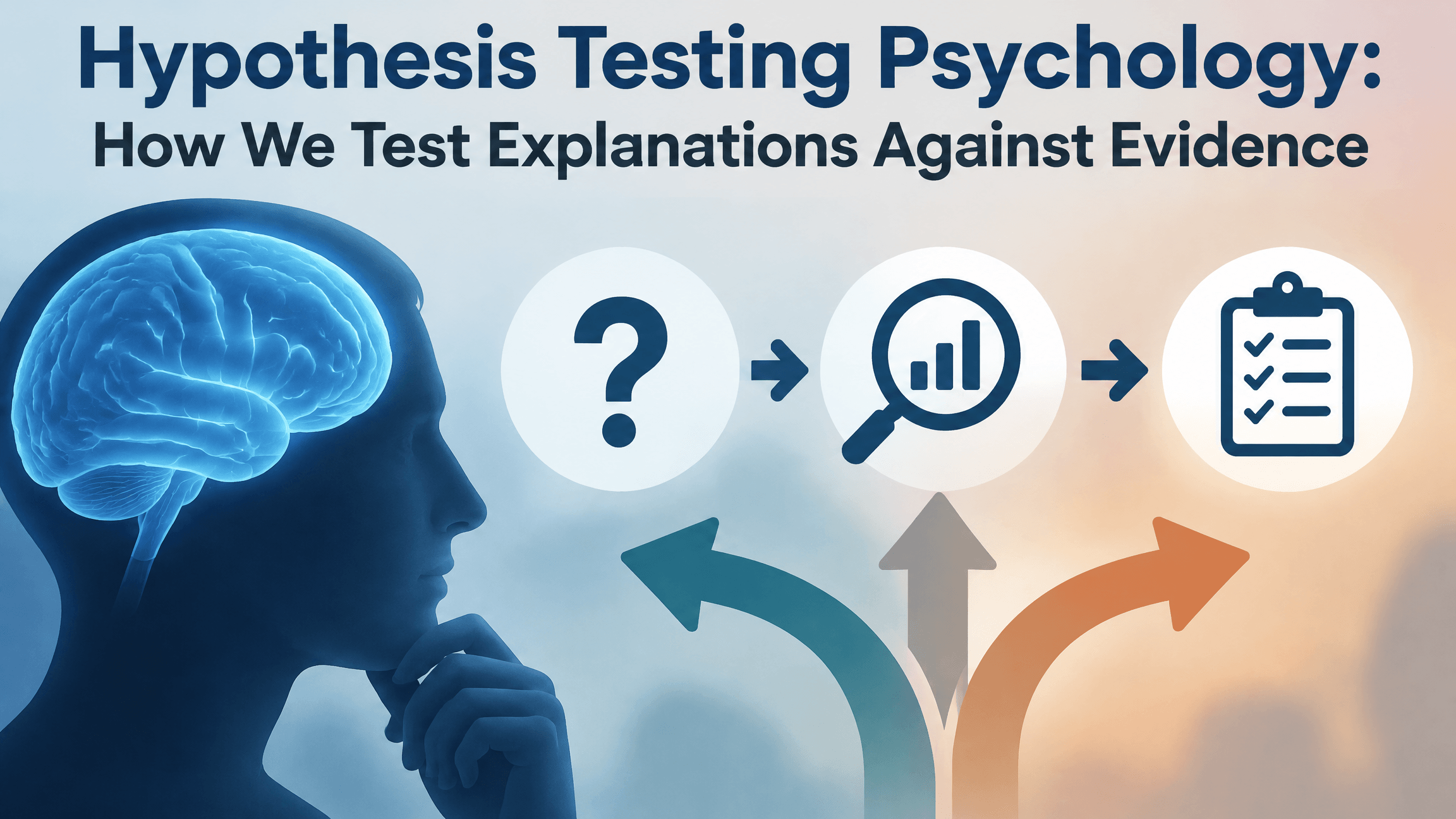
You have an explanation for why something happened. The next question is not whether the explanation sounds plausible, but what evidence should change your confidence in it. A useful hypothesis should lead to expectations that can be checked, compared with alternatives, and revised when the results do not fit. Hypothesis testing in the psychology of … Read more
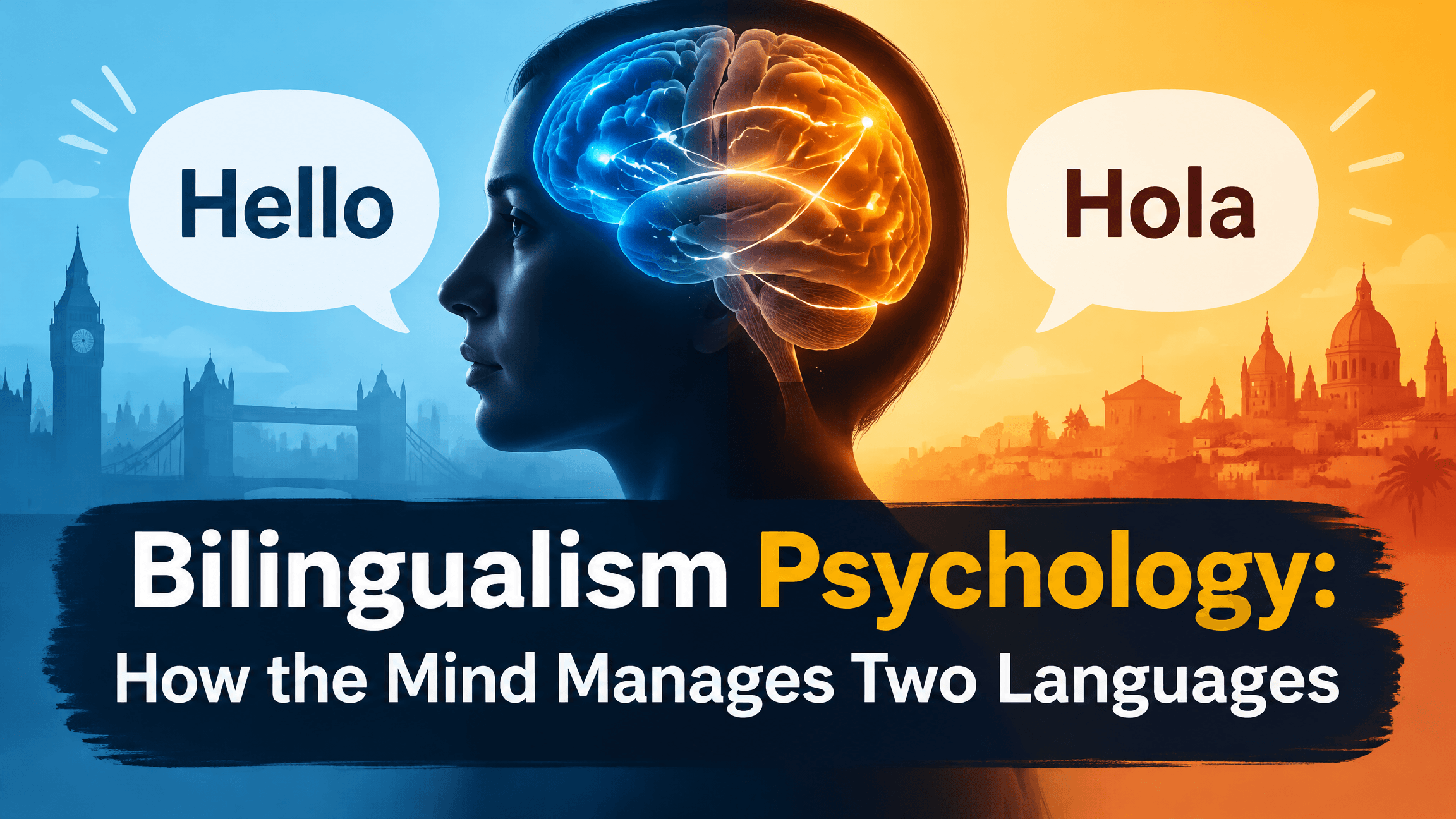
Bilingualism Psychology: How the Mind Manages Two Languages

Bilingualism Psychology: How the Mind Manages Two Languages thumbnail

Using two languages does not usually mean keeping one language completely switched off while the other runs alone. Research suggests that words and meanings from both languages can become active to some degree, even when a bilingual person intends to use only one. The mind therefore has to manage overlap, competition, context, and selection rather … Read more

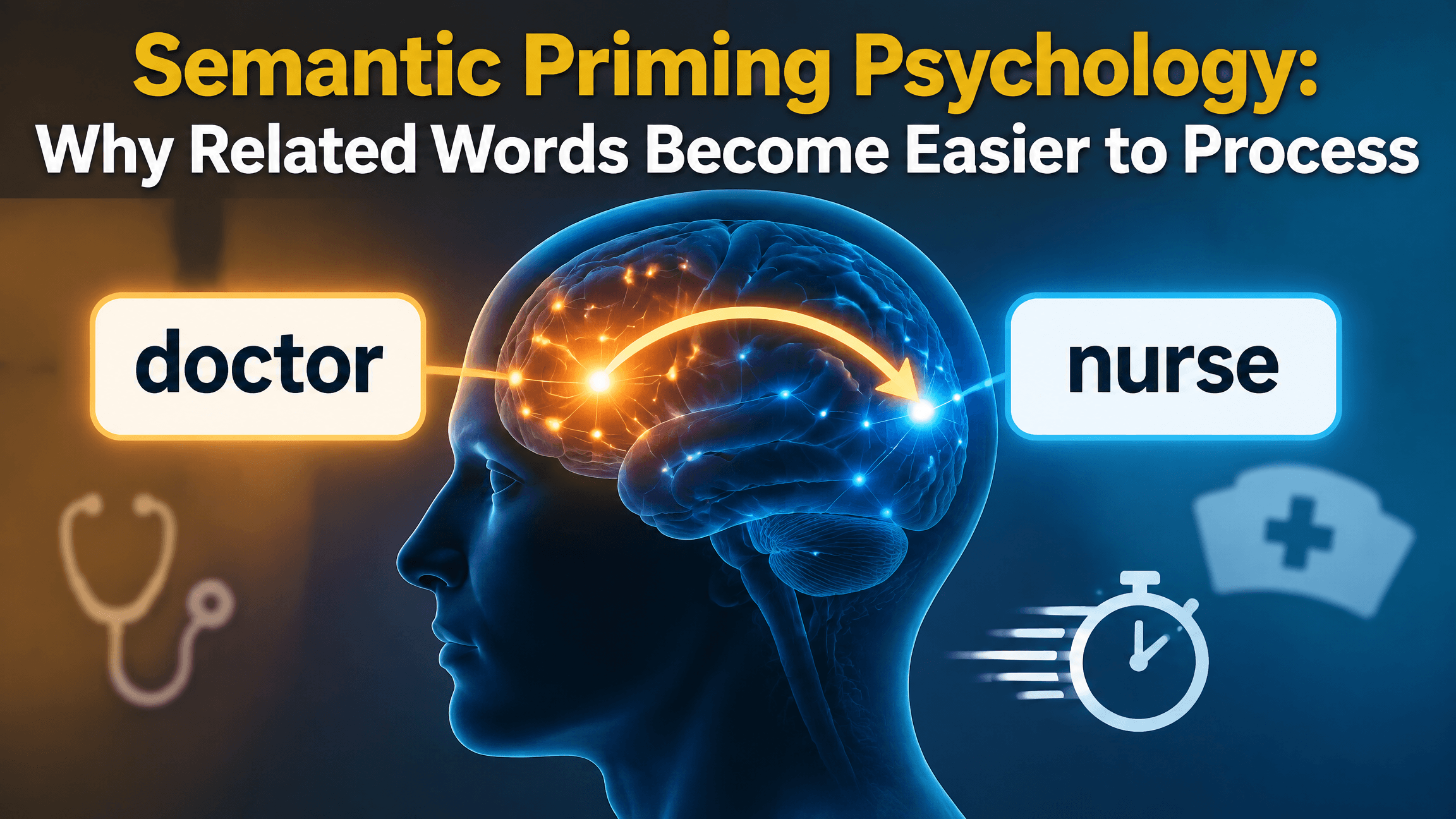
Semantic Priming Psychology: Why Related Words Become Easier to Process

Semantic Priming Psychology: Why Related Words Become Easier to Process thumbnail

If you see the word doctor and then quickly encounter nurse, you may respond to the second word a little faster than if it had followed an unrelated word such as window. That small shift in processing speed is the kind of effect researchers call semantic priming. Semantic priming psychology focuses on how prior semantic … Read more

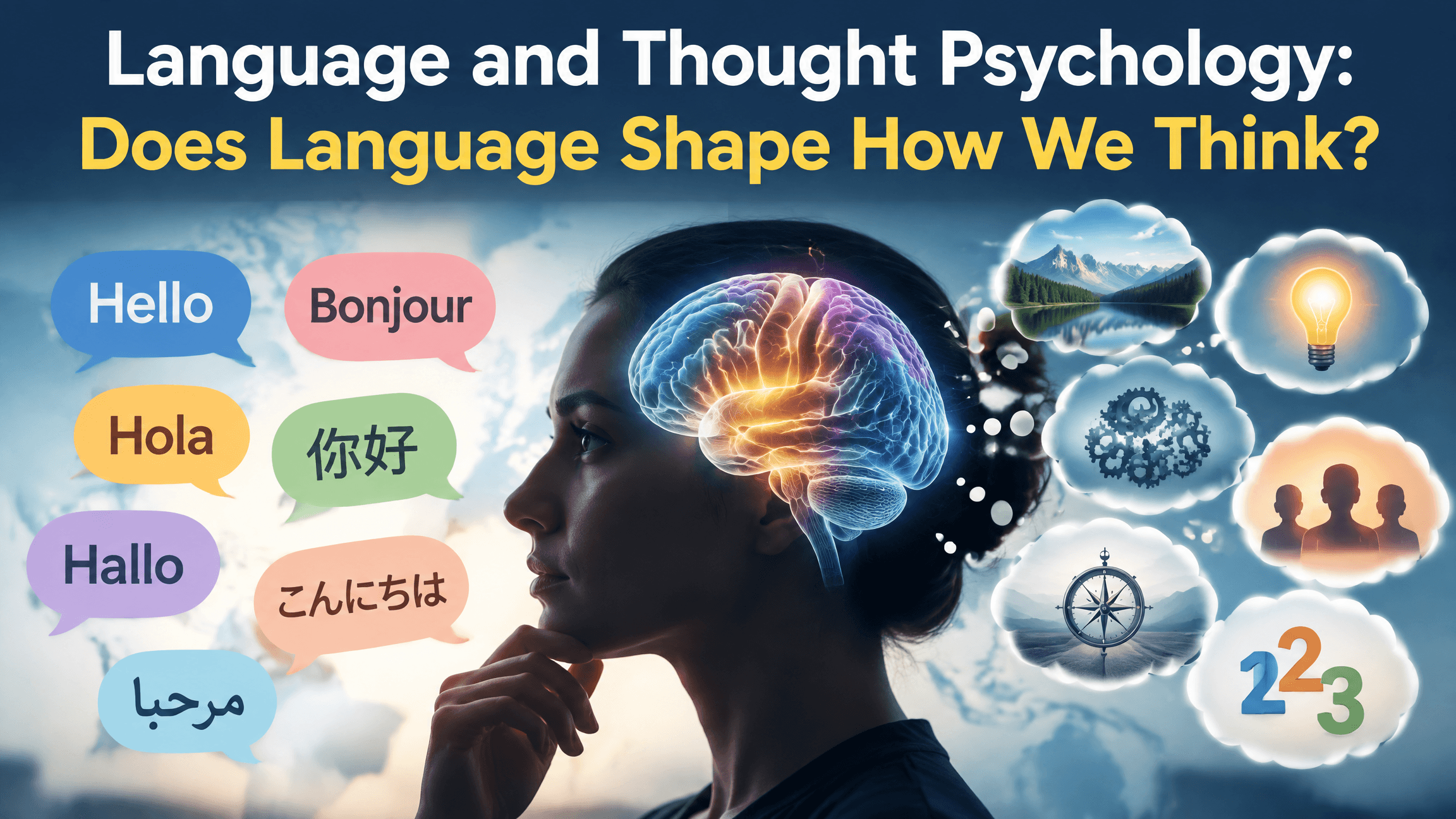
Language and Thought Psychology: Does Language Shape How We Think?

Language and Thought Psychology: Does Language Shape How We Think? thumbnail

Claims about language and thought often arrive in dramatic form. You may hear that the language you speak “creates your reality,” that people cannot understand a concept unless their language has a word for it, or that different languages produce completely different minds. At the other extreme, you may hear that language is only a … Read more

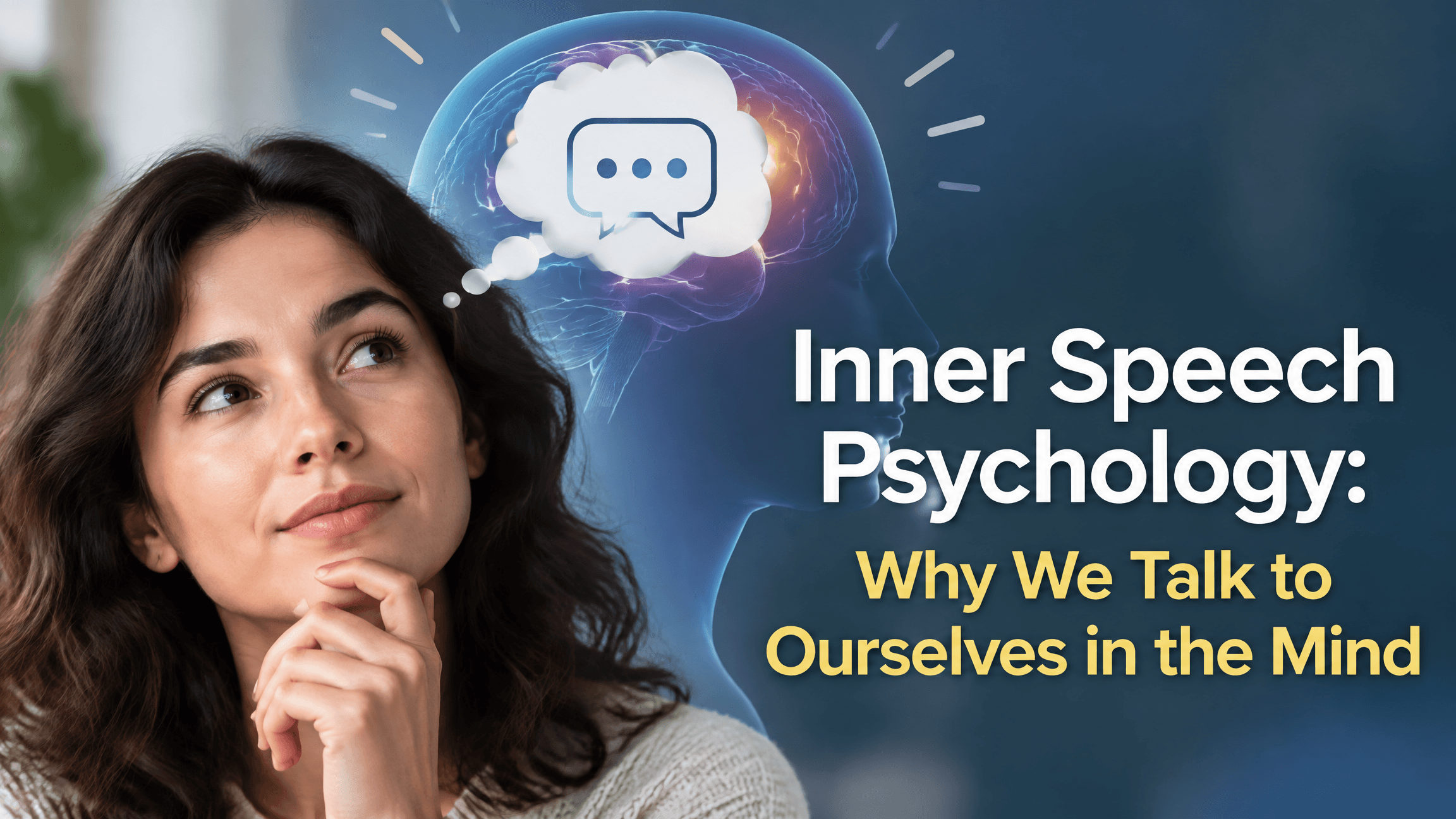
Inner Speech Psychology: Why We Talk to Ourselves in the Mind

Inner Speech Psychology: Why We Talk to Ourselves in the Mind thumbnail

Some thoughts arrive as images, sensations, or a general sense of knowing. Others feel unmistakably verbal. You may silently rehearse what to say in a meeting, hear yourself reading a sentence in your head, talk through a difficult decision, or mentally remind yourself to pick up groceries. These experiences are often described as inner speech. … Read more

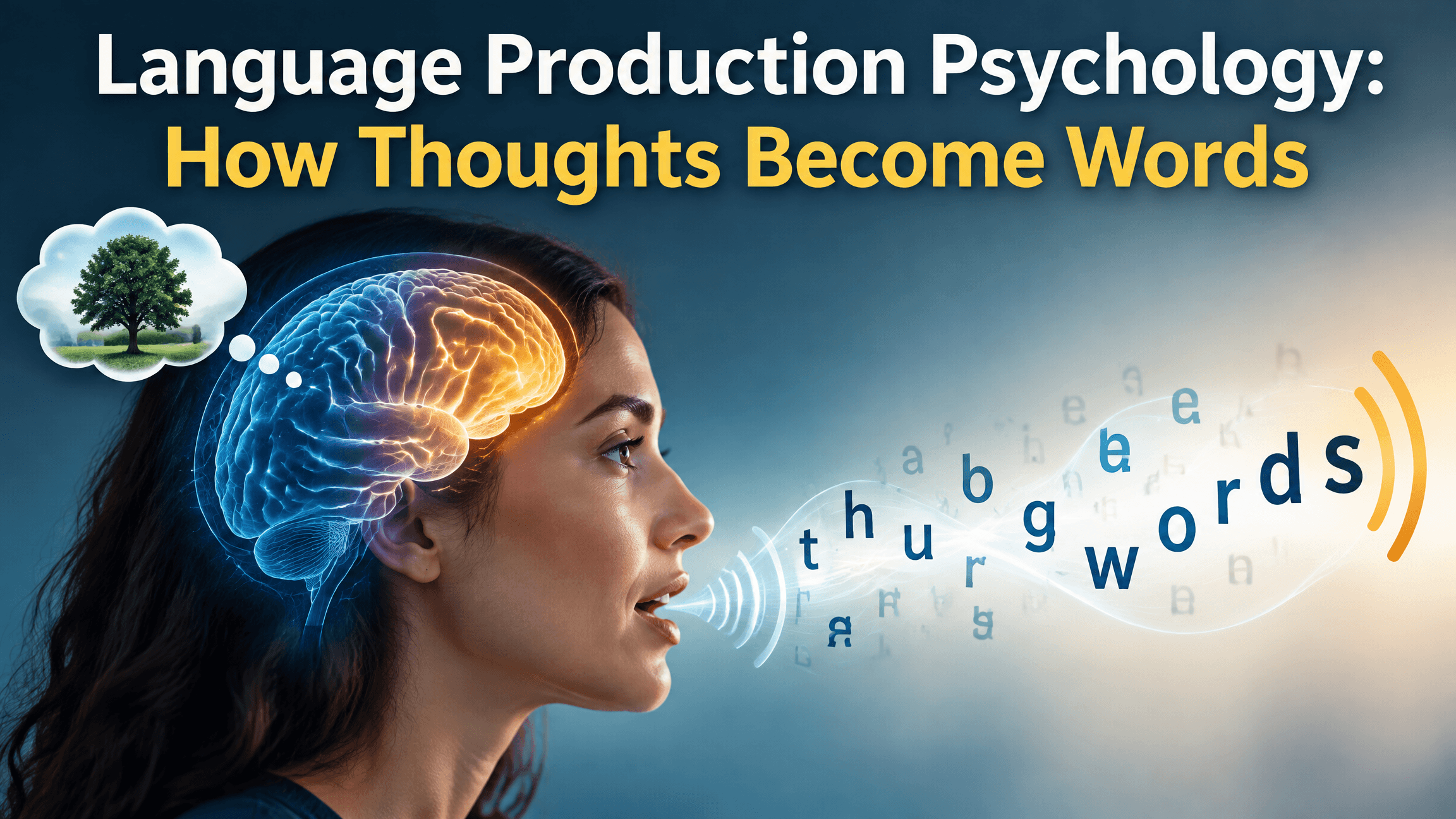
Language Production Psychology: How Thoughts Become Words

Language Production Psychology: How Thoughts Become Words thumbnail

Speaking feels immediate, but the mind has to solve several problems before a sentence reaches the outside world. You may know what you want to communicate, yet still need to choose the right words, arrange them into a workable structure, prepare their sound forms, and keep track of what you are actually saying. Most of … Read more

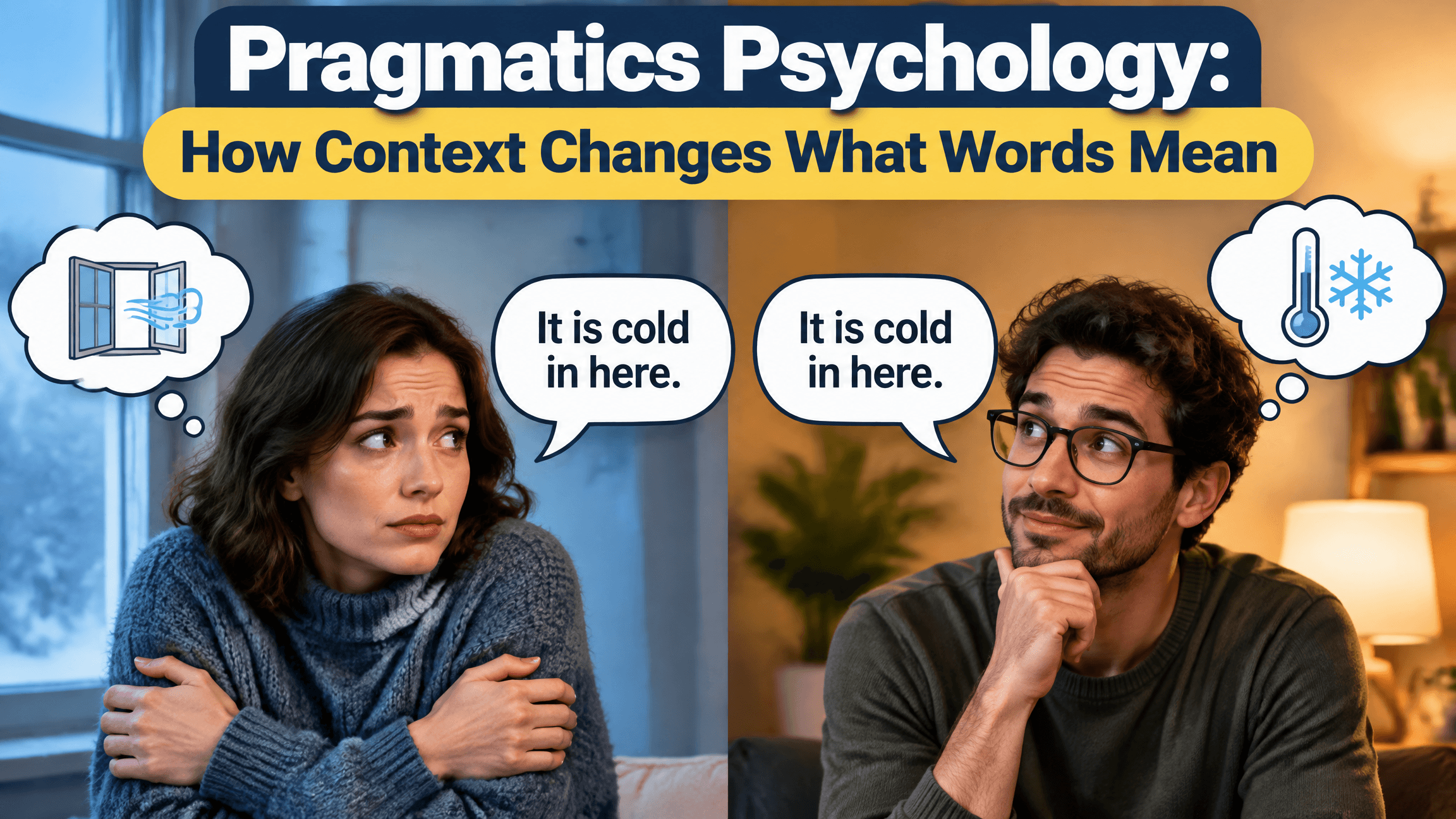
Pragmatics Psychology: How Context Changes What Words Mean

Pragmatics Psychology: How Context Changes What Words Mean thumbnail

People rarely say everything they mean in completely explicit language. A sentence can be grammatically clear and still leave important work for the listener. “It is cold in here” may simply describe the temperature. In another situation, the same sentence may function as a request to close a window. The words have not changed, but … Read more

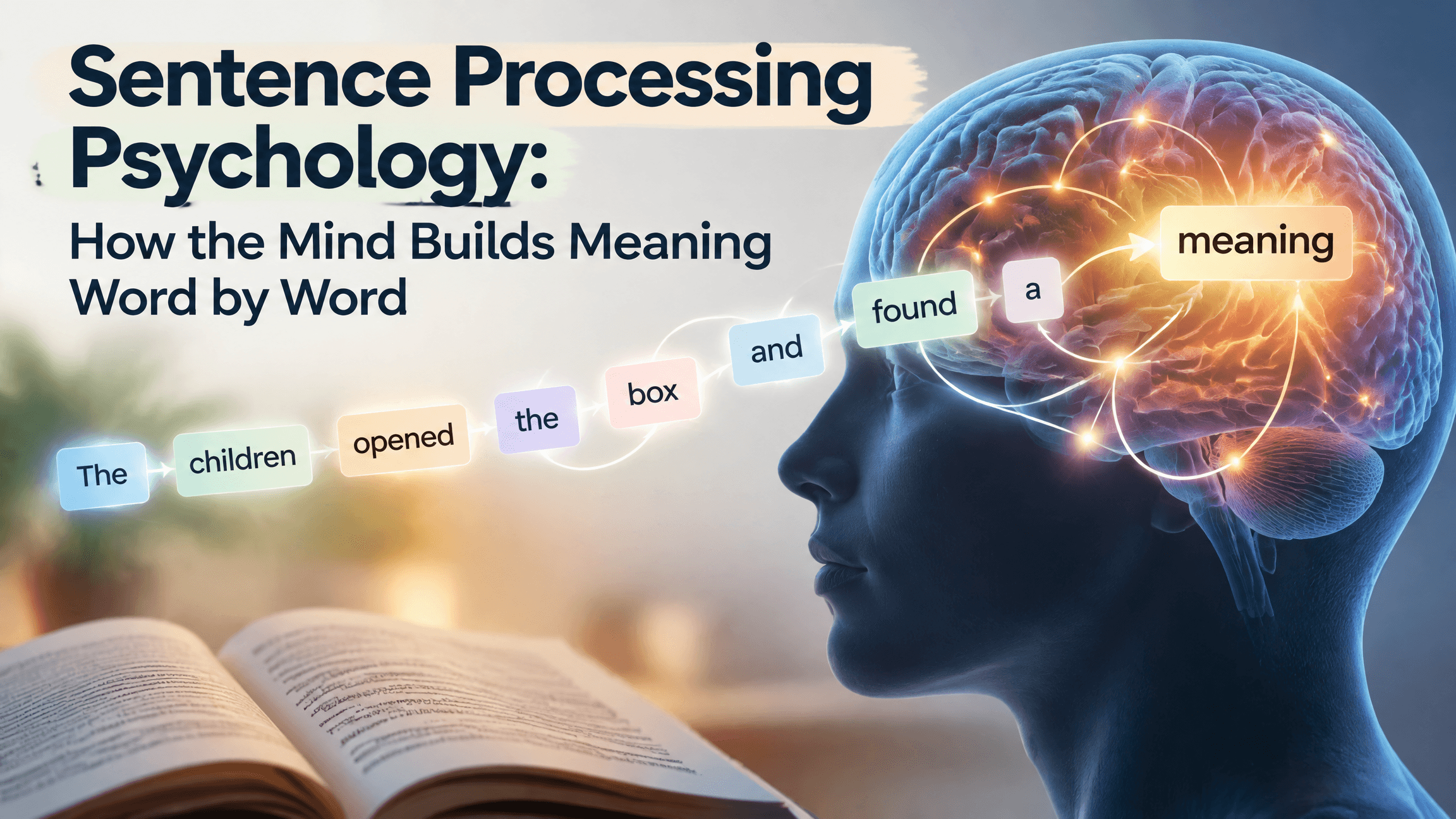
Sentence Processing Psychology: How the Mind Builds Meaning Word by Word

Sentence Processing Psychology: How the Mind Builds Meaning Word by Word thumbnail

A sentence does not arrive in the mind as a finished package. Whether you are listening or reading, the words appear one after another. Yet you rarely wait for the final word before understanding anything. Instead, the mind begins building a likely interpretation almost immediately, then adjusts it as new information arrives. This is the … Read more

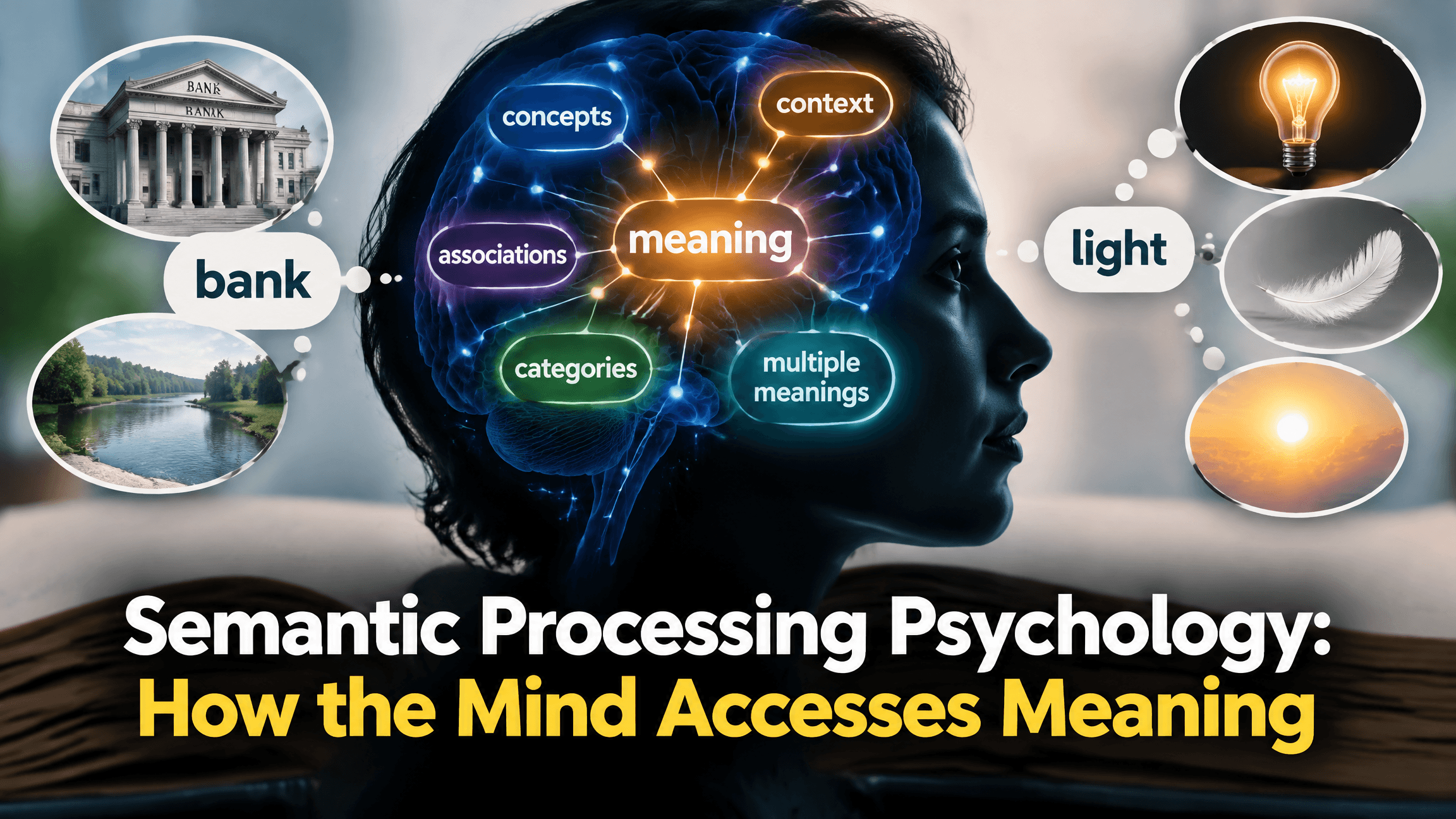
Semantic Processing Psychology: How the Mind Accesses Meaning

Semantic Processing Psychology: How the Mind Accesses Meaning thumbnail

You can recognize a word perfectly and still not know what it means in the moment. The word bank, for example, might refer to a financial institution or the side of a river. Light can describe illumination, low weight, or something that is not intense. The sound or spelling may be familiar immediately, while the … Read more

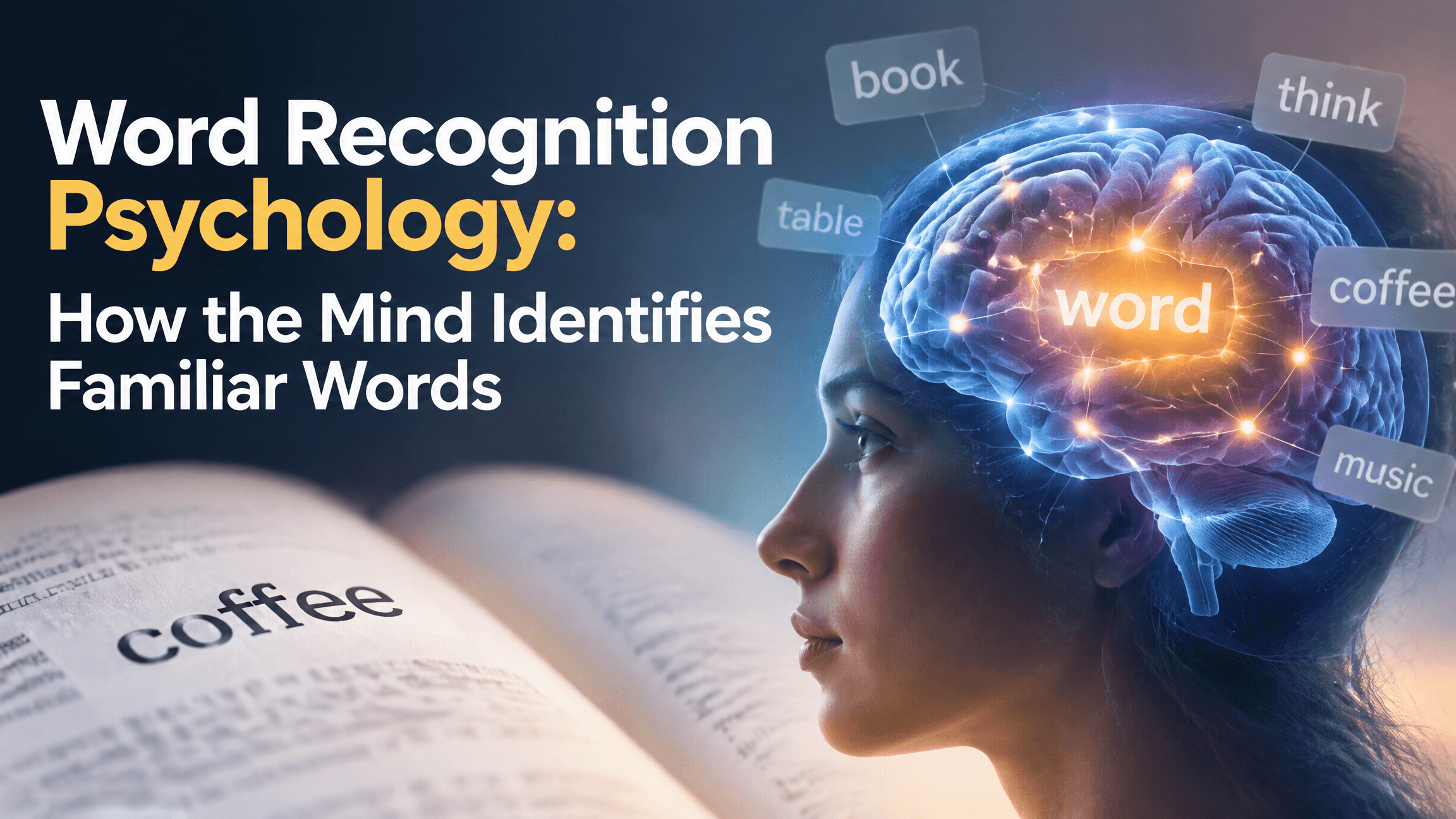
Word Recognition Psychology: How the Mind Identifies Familiar Words

Word Recognition Psychology: How the Mind Identifies Familiar Words thumbnail

A familiar word can seem to announce itself the instant you hear or see it. Someone begins saying “calendar,” your eyes land on the word “coffee,” or a sentence contains an unusual spelling, and recognition feels immediate. Yet the input reaching the mind is not a ready-made label. It is a pattern of sounds or … Read more