Why People Blame Themselves: Self-Blame Psychology
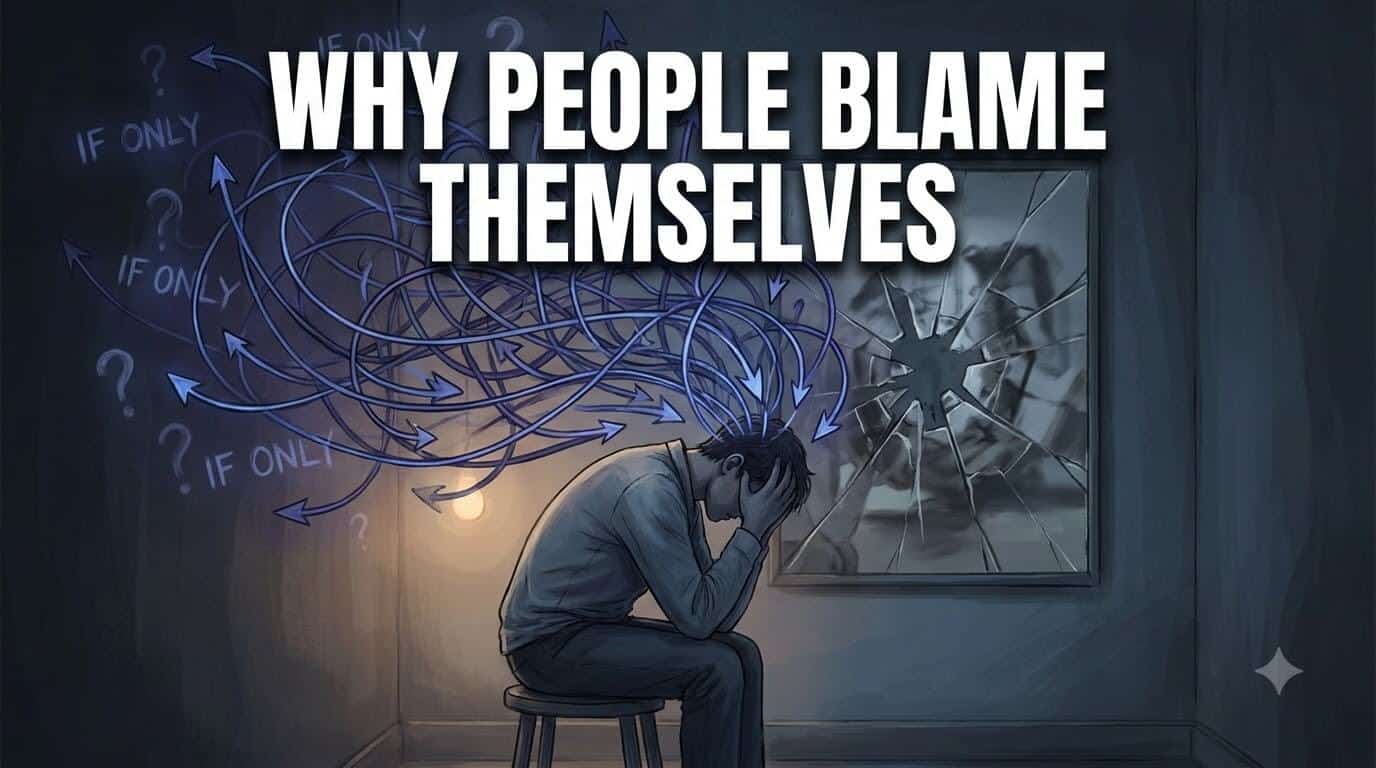
Why People Blame Themselves: The Psychology of Excessive Self-Blame thumbnail

Self-blame often starts with a question that sounds practical: “What did I do wrong?” After a mistake, rejection, conflict, accident, or painful outcome, that question can help identify something worth repairing. But it can also expand beyond the evidence. “I could have done something differently” becomes “I caused this.” “I missed a sign” becomes “I … Read more
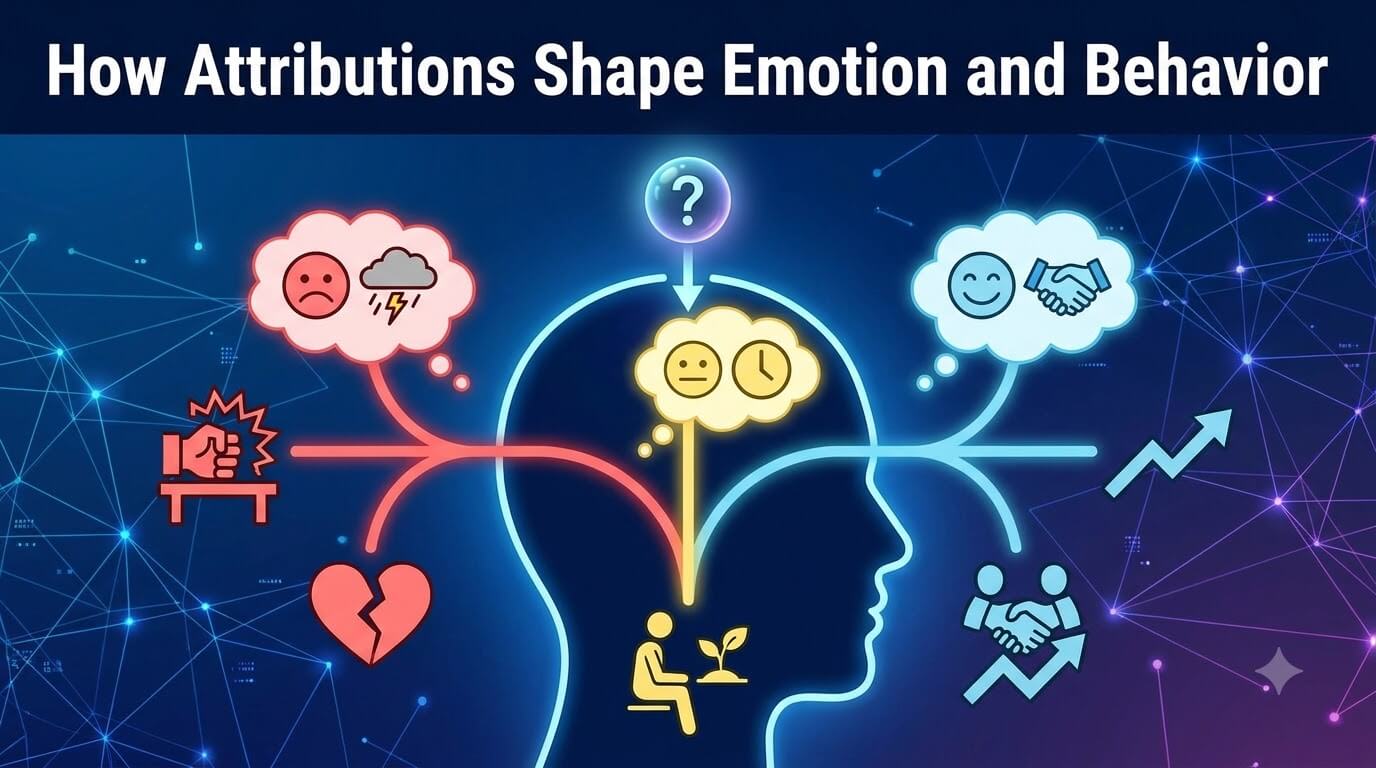
How Attributions Shape Emotion and Behavior

How Attributions Shape Emotion and Behavior thumbnail

The event itself is only part of what drives a reaction. Imagine sending an important message and receiving no reply for several hours. If you conclude, “They are ignoring me on purpose,” anger may rise quickly. If you conclude, “They are probably overwhelmed,” concern or patience may come first. If you think, “This always happens … Read more

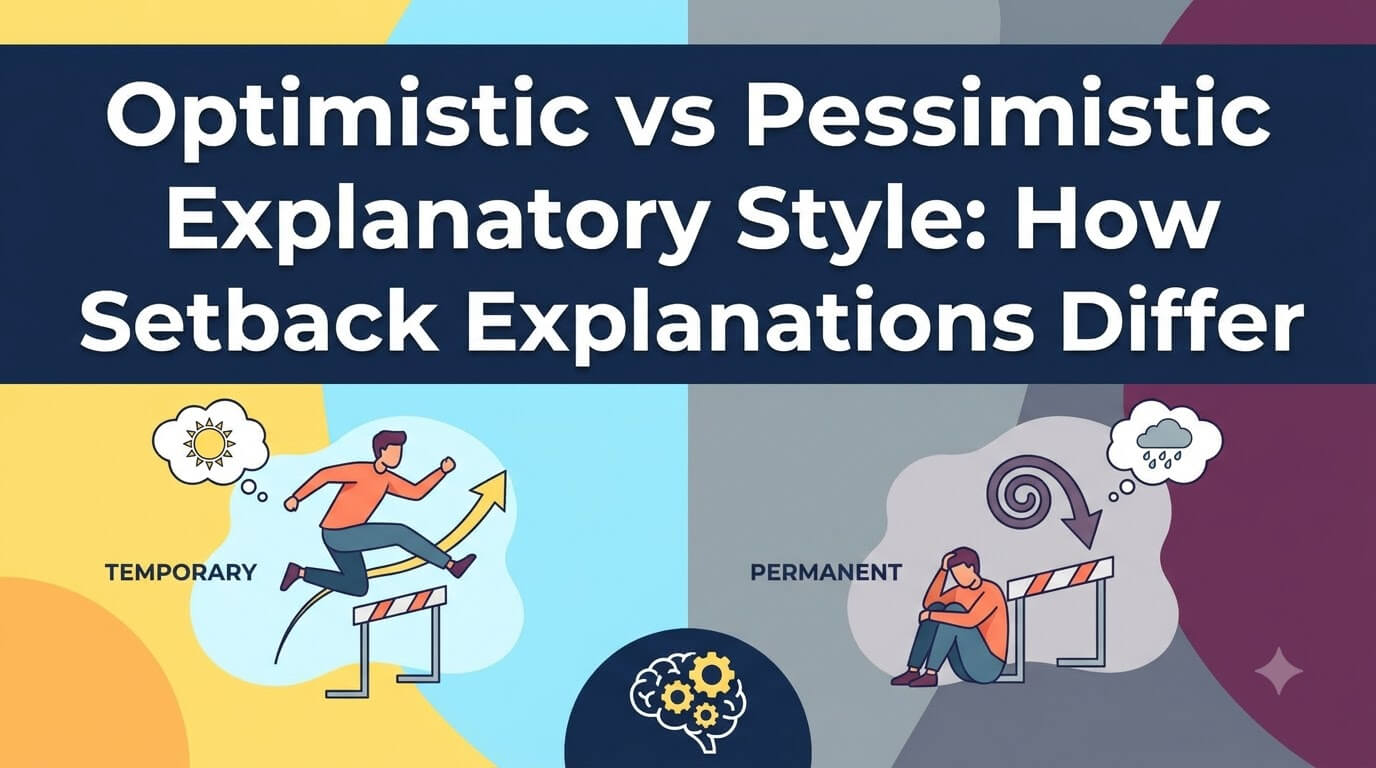
Optimistic vs Pessimistic Explanatory Style

Optimistic vs Pessimistic Explanatory Style: How Setback Explanations Differ thumbnail

A setback does not arrive with one built-in meaning. Two people can receive the same rejection, miss the same target, or have the same argument and walk away with very different explanations. One may think, “This was a difficult situation, and I can change part of what happened.” Another may think, “This always happens because … Read more

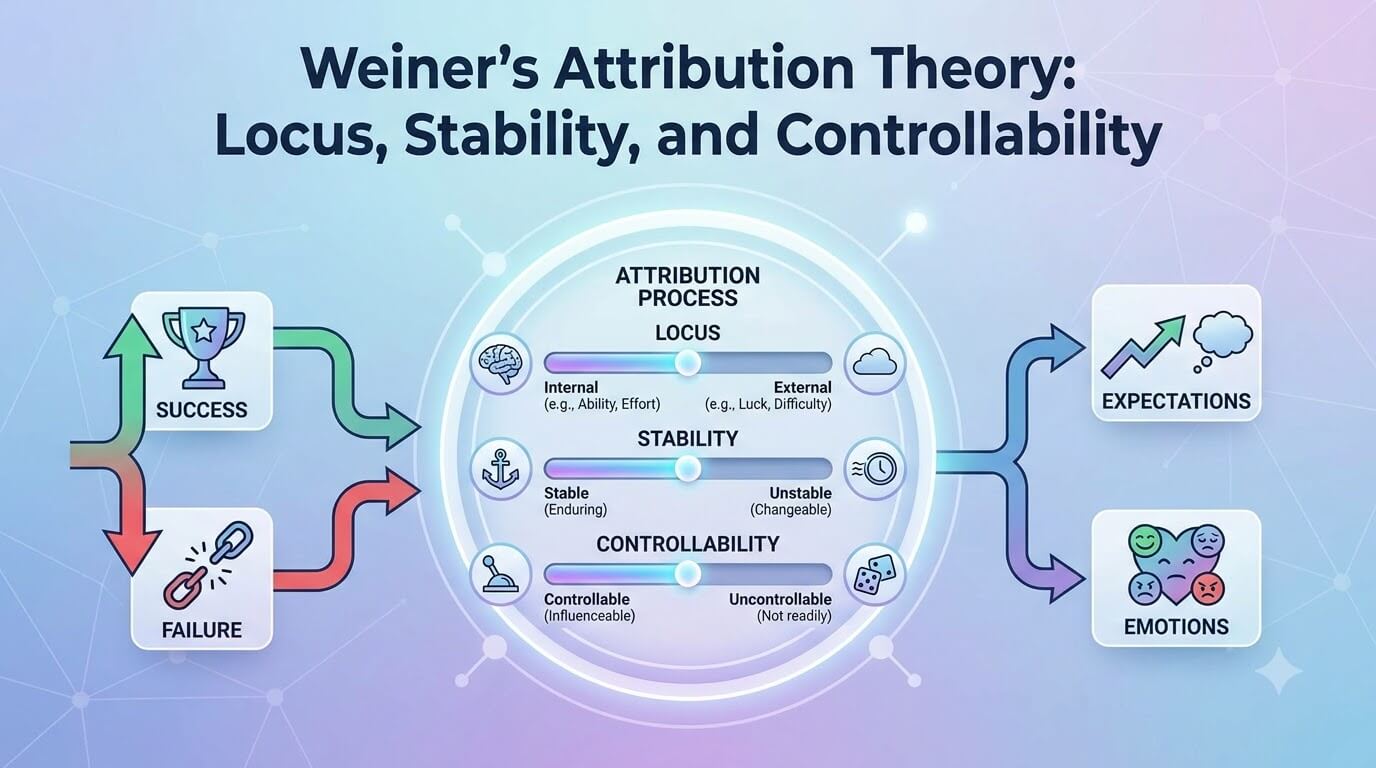
Weiner’s Attribution Theory: 3 Key Dimensions

Weiner's Attribution Theory: Locus, Stability, and Controllability thumbnail

After success or failure, the first explanation that comes to mind can shape much more than the story we tell ourselves. “I am not good at this,” “I used the wrong strategy,” “the task was unusually hard,” and “I got lucky” all describe the same kind of question: what caused the outcome? Yet they point … Read more

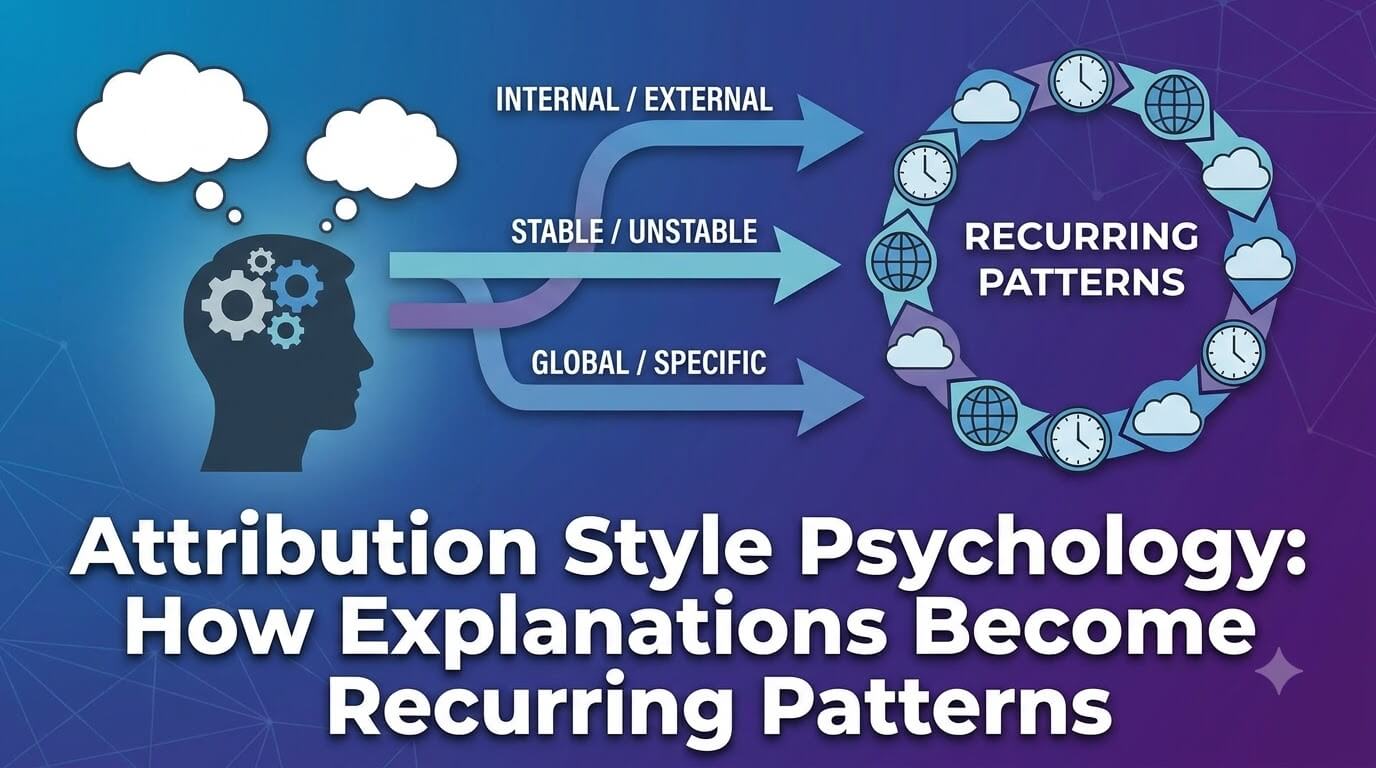
Attribution Style Psychology: Patterns Explained

Attribution Style Psychology: How Explanations Become Recurring Patterns thumbnail

One disappointing result can be explained in many ways. You might think, “I used the wrong strategy this time,” “I am simply not good at this,” “The conditions were unusually difficult,” or “Nothing ever works out for me.” Each sentence points to a cause, but they do more than explain one event. When similar explanations … Read more

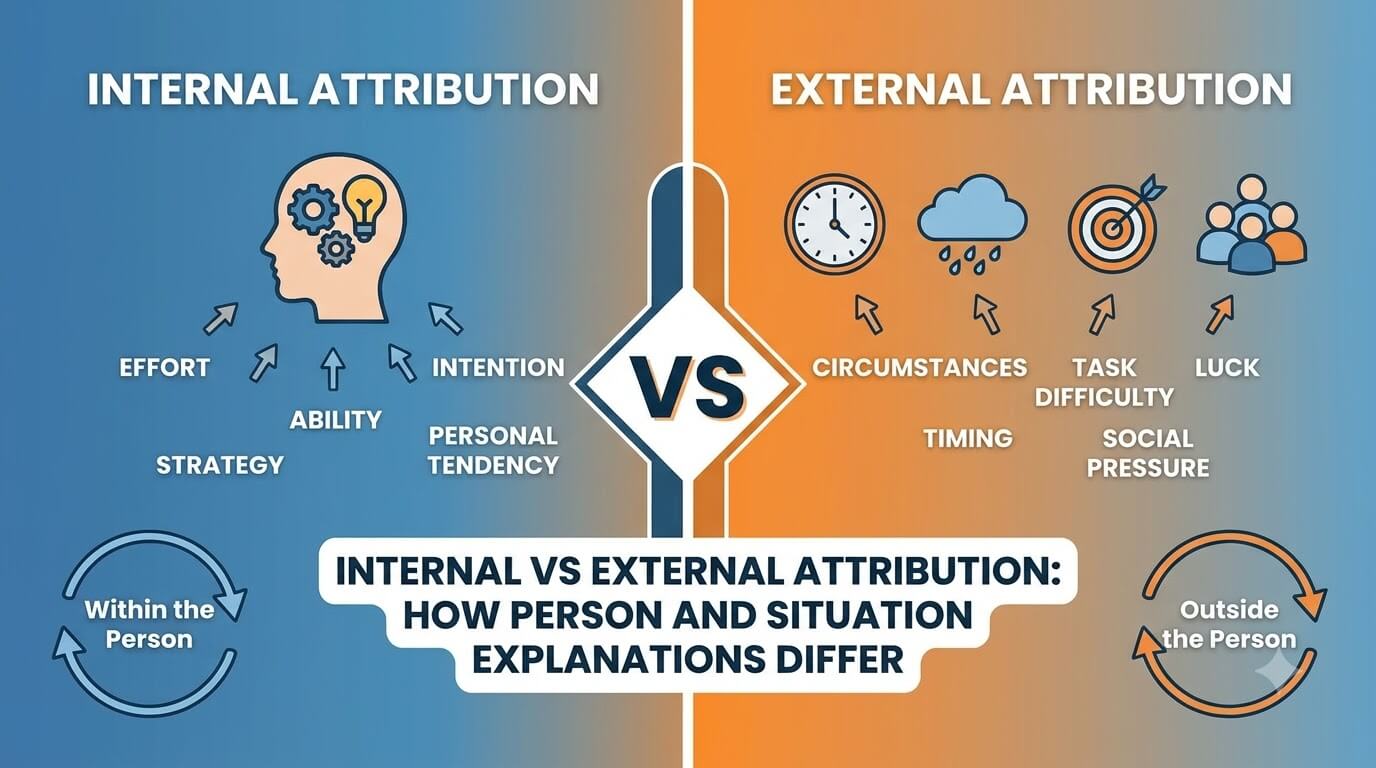
Internal vs External Attribution: Key Differences

Internal vs External Attribution: How Person and Situation Explanations Differ thumbnail

A team misses an important deadline. One explanation points inward: someone planned poorly, underestimated the work, or did not put in enough effort. Another points outward: the brief changed, a supplier failed, or the available time was unrealistic. Both explanations may sound plausible, and both may contain part of the truth. That is the central … Read more

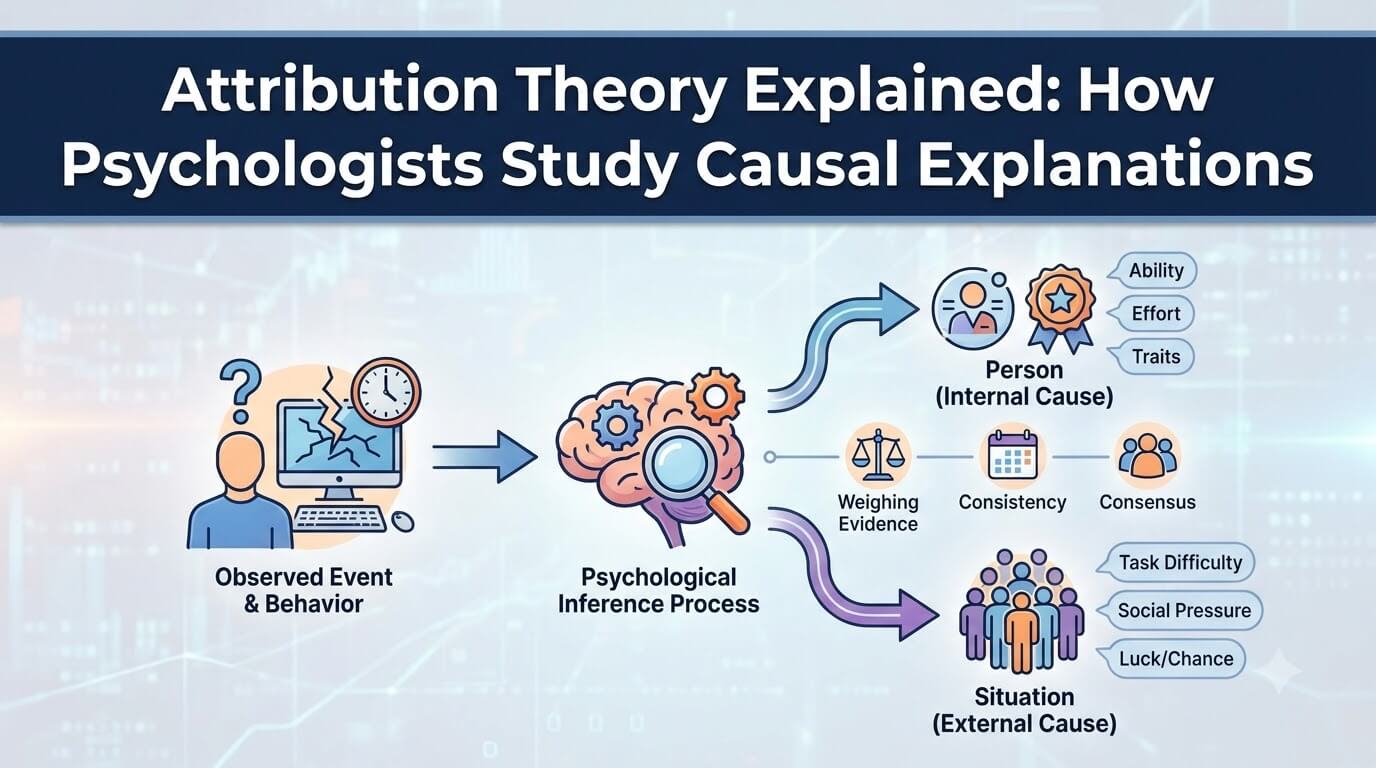
Attribution Theory Explained: How We Infer Causes

Attribution Theory Explained: How Psychologists Study Causal Explanations thumbnail

A coworker misses an important deadline. A friend suddenly becomes quiet at dinner. A student performs much better on one exam than the last. In each case, the visible event is only the beginning. Almost immediately, the mind asks a second question: Why did that happen? Attribution theory examines how people answer that question. It … Read more

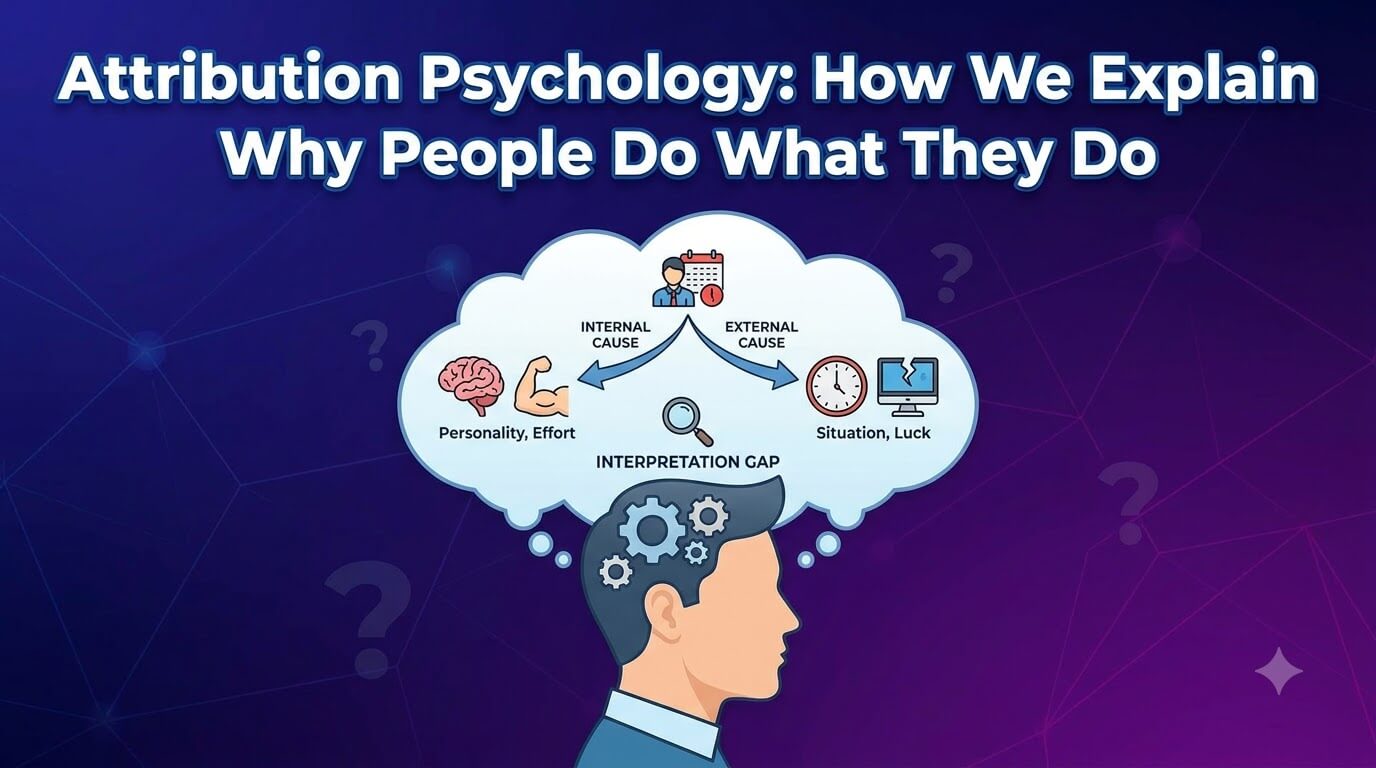
Attribution Psychology: Why We Explain Behavior

Attribution Psychology: How We Explain Why People Do What They Do thumbnail

A coworker misses a deadline. One person thinks, “They are careless.” Another thinks, “They were given too much work.” A third wonders whether the instructions were unclear. The event is the same, but the explanations are not. That gap between what happened and why we think it happened is the territory of attribution psychology. Attributions … Read more

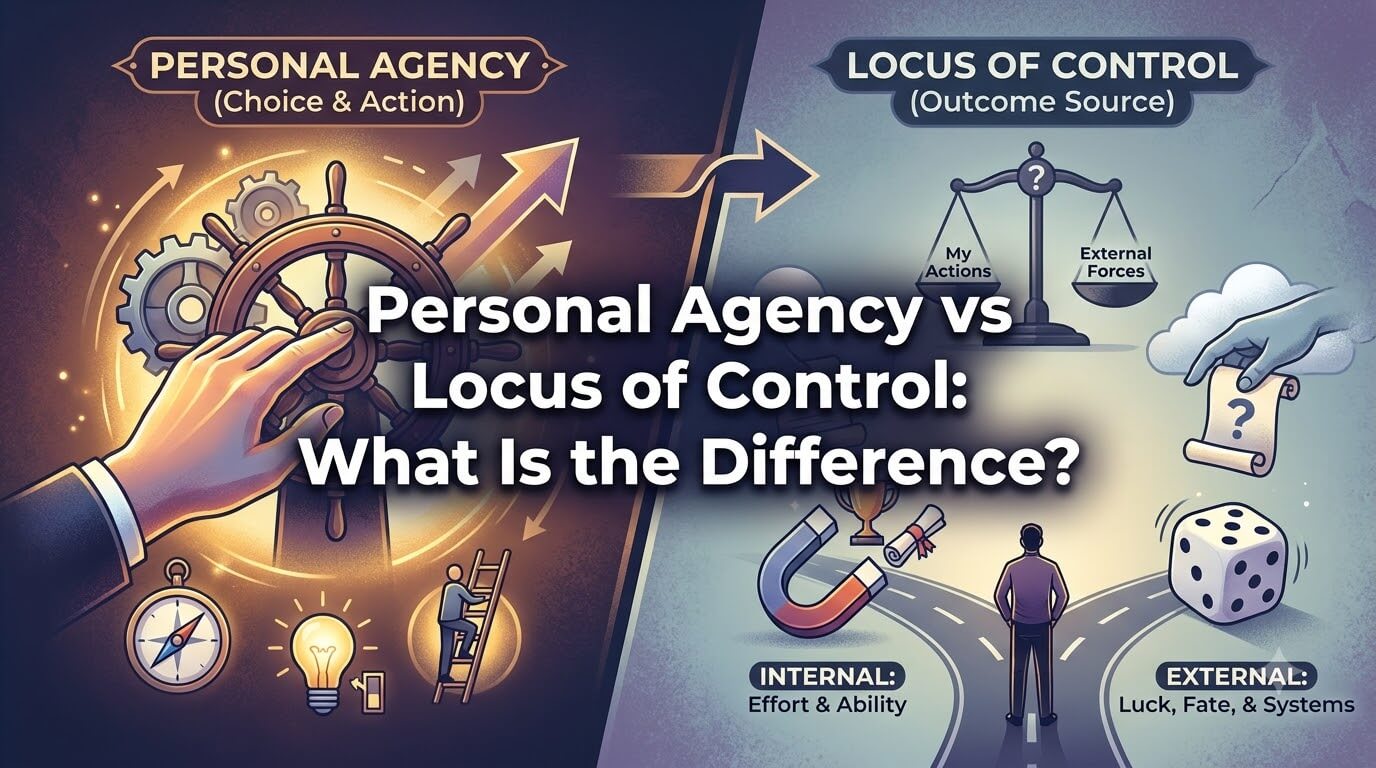
Personal Agency vs Locus of Control: Differences

Personal Agency vs Locus of Control: What Is the Difference? thumbnail

You can feel capable of taking action and still believe that the final outcome depends heavily on timing, systems, luck, or other people. You can also believe that your choices matter while feeling unable to make the choice you think is required. Those combinations are exactly why personal agency and locus of control should not … Read more

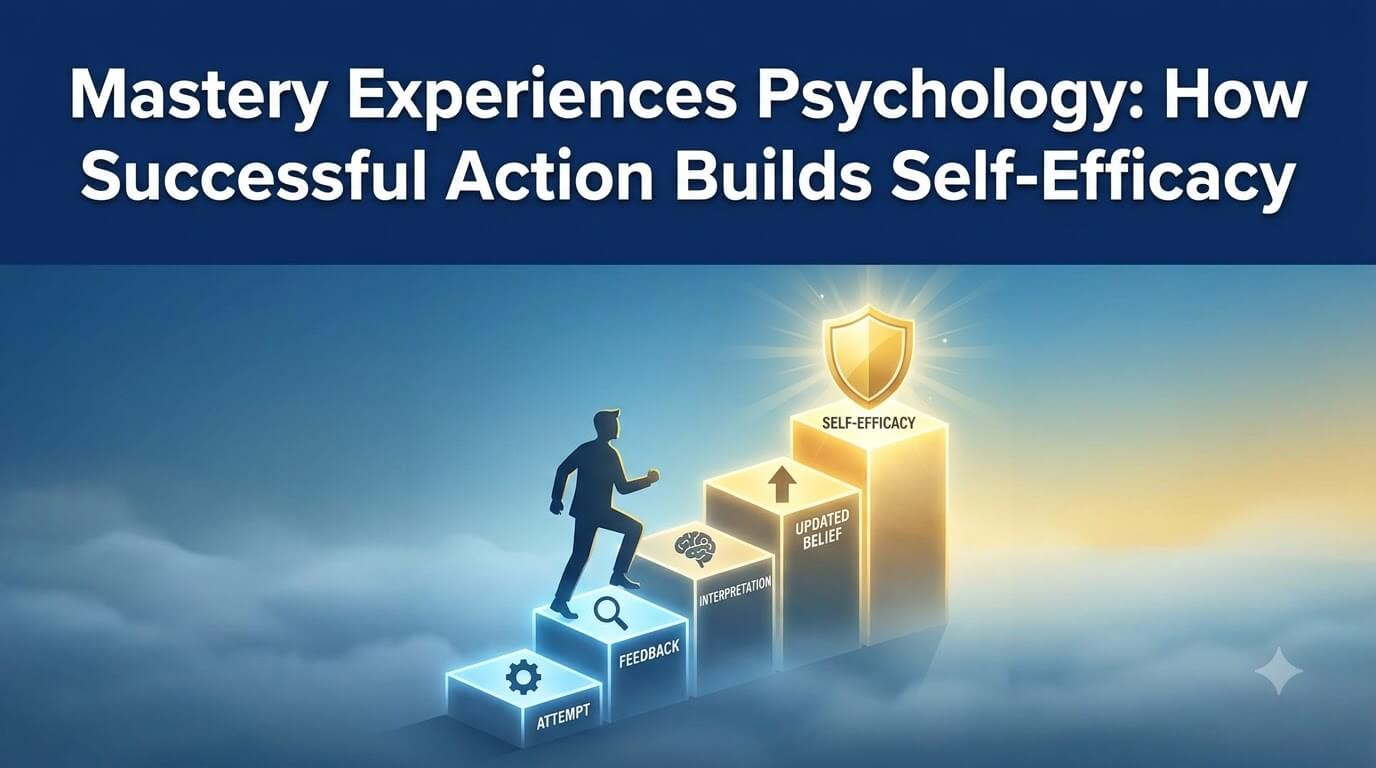
Mastery Experiences Psychology and Self-Efficacy

Mastery Experiences Psychology: How Successful Action Builds Self-Efficacy thumbnail

You can hear ten people tell you, “You can do this,” and still feel uncertain. Then you complete one difficult task yourself, understand how you did it, and suddenly the next attempt feels more possible. That difference captures the practical importance of mastery experiences in psychology. Mastery is not simply collecting victories. The useful part … Read more