Autonomy Psychology: What Self-Directed Action Means
Autonomy Psychology: Why Self-Directed Action Feels Different thumbnail

You can be perfectly capable of doing something and still feel strangely disconnected from the action. You meet the deadline, attend the event, follow the plan, or agree to the request, but internally it feels more like compliance than choice. That difference is where autonomy psychology becomes useful. Autonomy is not the same as getting … Read more
Why People Feel Powerless: Psychology Explained

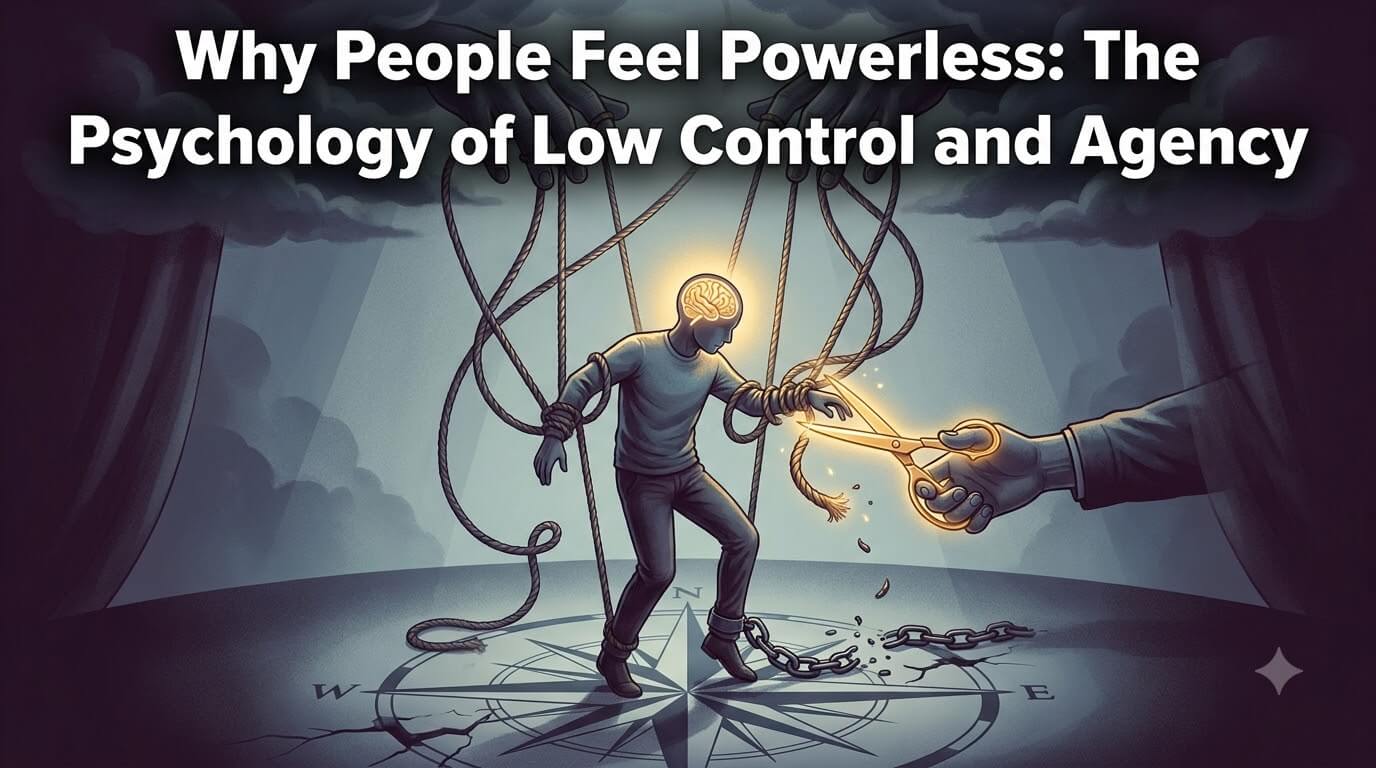
Why People Feel Powerless: The Psychology of Low Control and Agency thumbnail

Feeling powerless often sounds like a simple thought: “Nothing I do will change this.” But that thought can come from very different places. Sometimes the situation really gives you little control. Sometimes there is a small amount of influence that is hard to see. Sometimes you have options but doubt your ability to use them. … Read more

Learned Helplessness Psychology: Why We Stop Trying

Learned Helplessness Psychology: Why Repeated Uncontrollability Can Reduce Action thumbnail

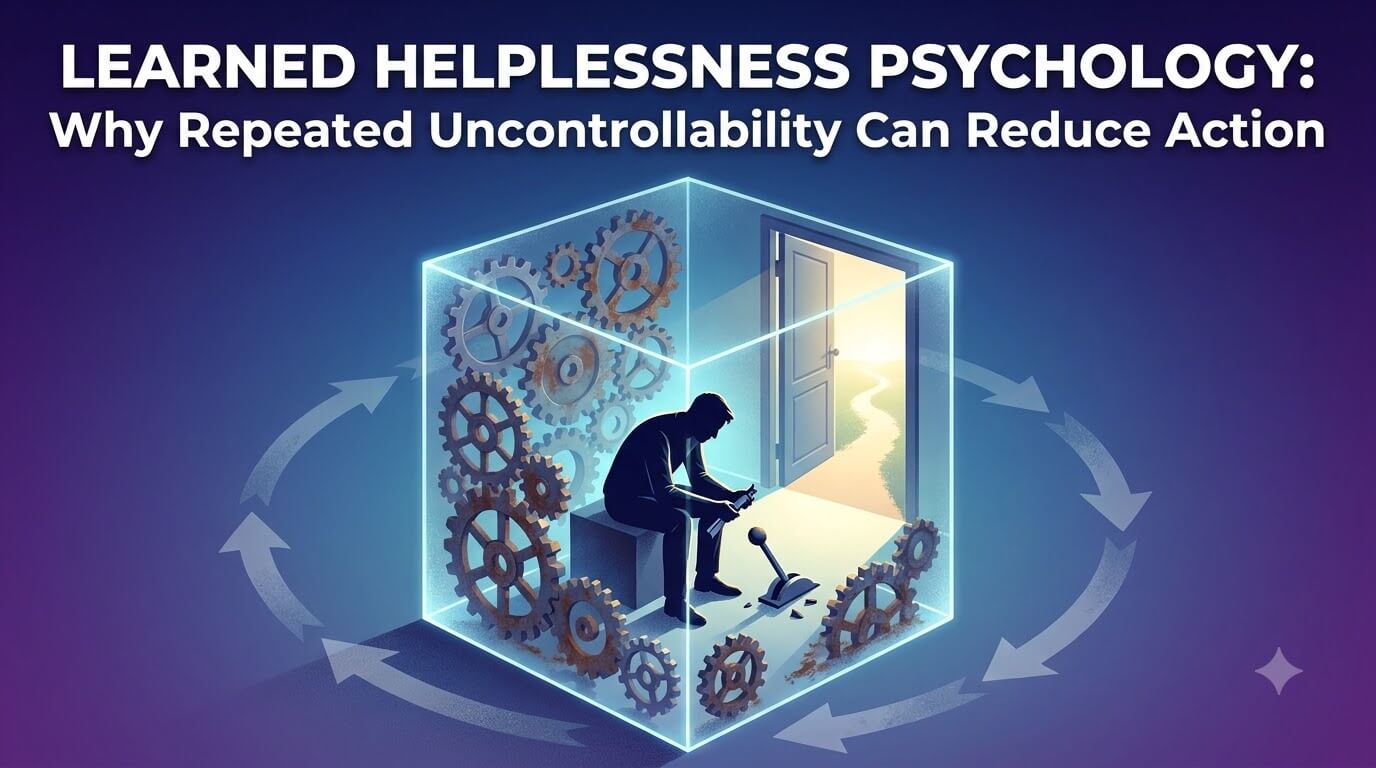
A situation can change while your expectation stays the same. After enough experiences in which effort seems useless, people may expect new effort to make little difference and become less willing to test options that are now available. Psychologists use learned helplessness for a specific idea about how repeated uncontrollability can affect later behavior. It … Read more

Perceived Control Psychology: Why Control Feels Different

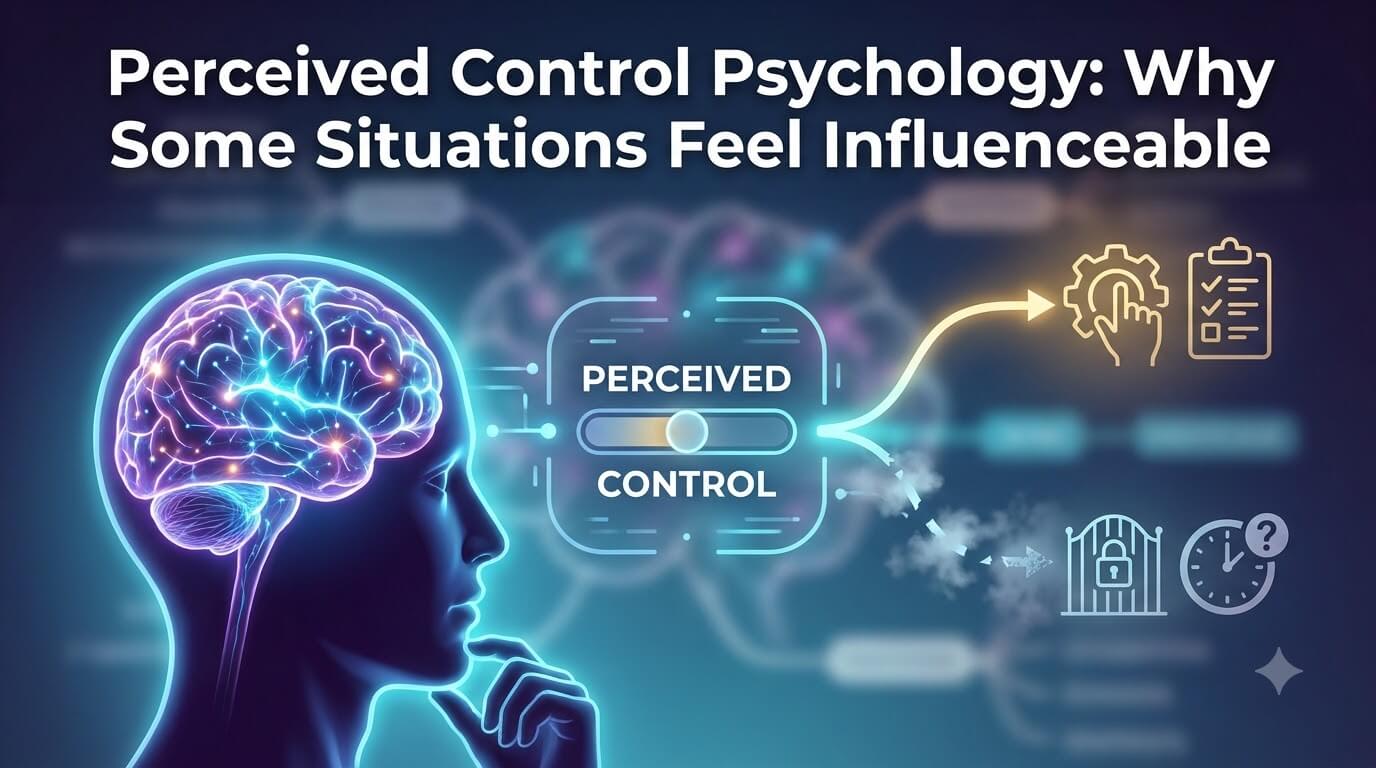
Perceived Control Psychology: Why Some Situations Feel Influenceable thumbnail

You can know what you want, feel capable of acting, and still hesitate if the situation seems unresponsive. A job application may depend on a hiring committee. A medical appointment may depend on access and timing. A difficult conversation may depend partly on another person being willing to engage. The key question becomes, “Will anything … Read more

Internal vs External Locus of Control: Differences

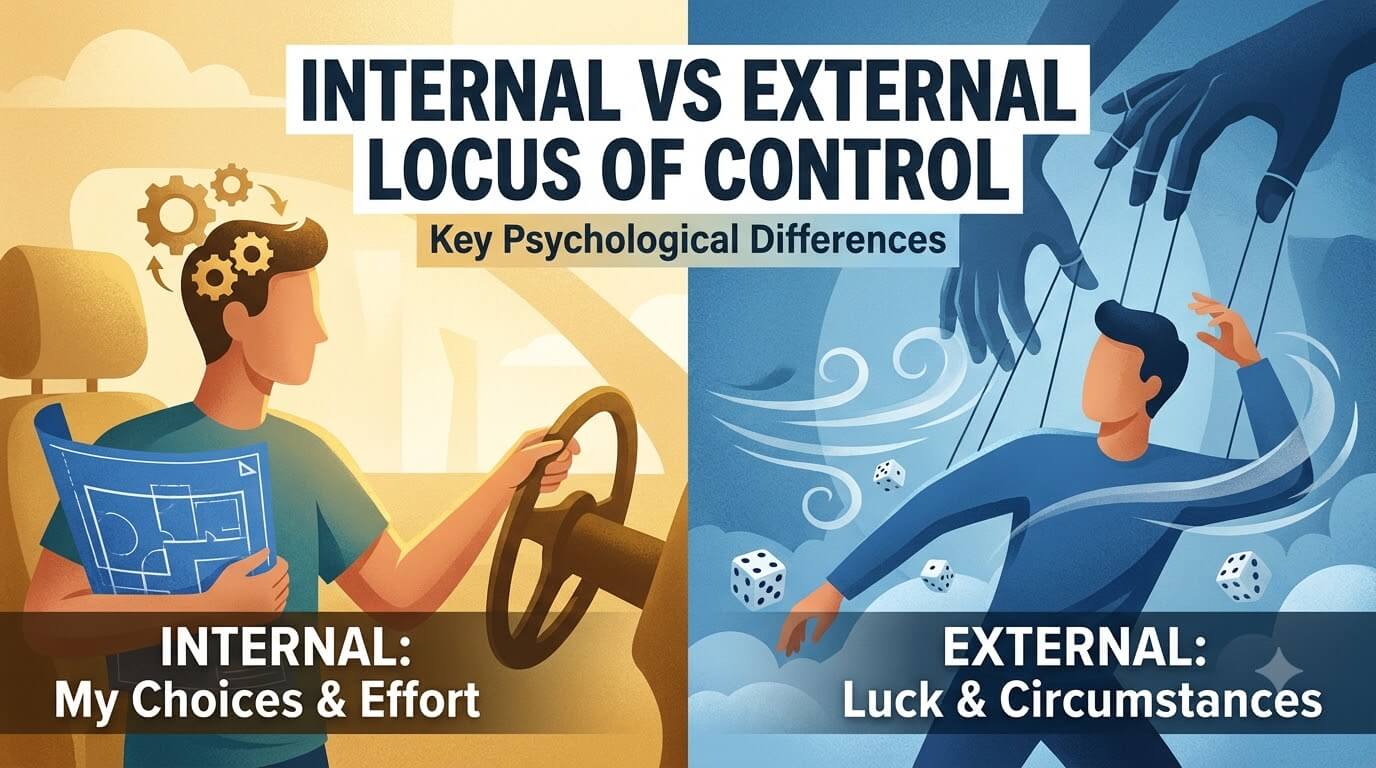
Internal vs External Locus of Control: Key Psychological Differences thumbnail

Two people can face the same setback and walk away with very different explanations. One thinks, “I need a better strategy next time.” The other thinks, “The decision was mostly in someone else’s hands.” Neither response is automatically accurate or inaccurate. The useful question is how closely the explanation matches what actually shaped the outcome. … Read more

Locus of Control Psychology: Meaning and Examples

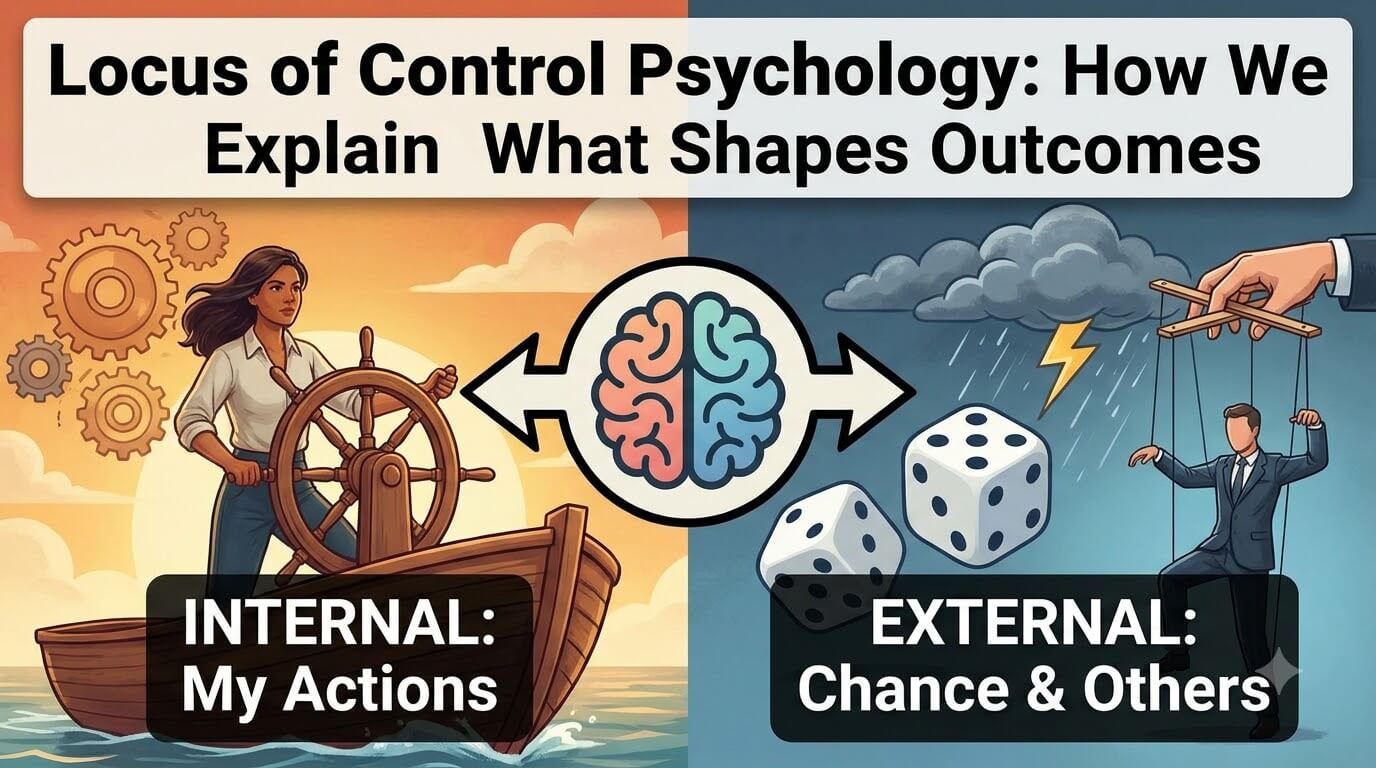
Locus of Control Psychology: How We Explain What Shapes Outcomes thumbnail

You work hard on a presentation and it goes well. Do you mainly think, “My preparation made the difference,” or “I got lucky with the audience”? Now imagine it goes badly. Do you look first at what you could change, or at the timing, the rules, other people, or plain chance? Those explanations are not … Read more

Self-Efficacy vs Self-Confidence: Key Differences

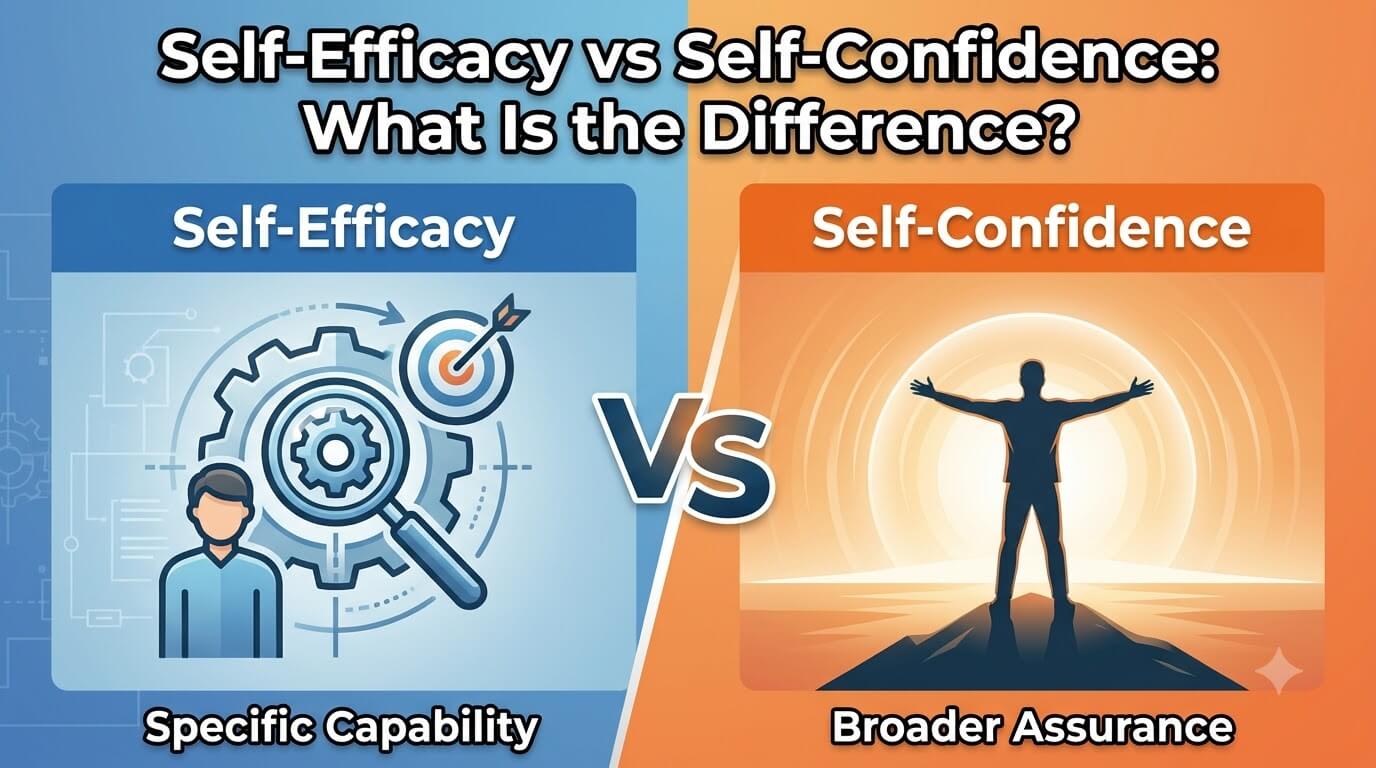
Self-Efficacy vs Self-Confidence: What Is the Difference? thumbnail

When people say, “I just need more confidence,” they may be describing several very different problems. A new manager might feel comfortable speaking with coworkers but doubt their ability to lead a difficult performance review. A student may feel awkward socially yet be certain they can solve a familiar calculus problem. An experienced runner may … Read more

Self-Efficacy Psychology: How Capability Shapes Action

Self-Efficacy Psychology: How Belief in Your Capability Shapes Action thumbnail

You can feel generally capable and still freeze when you face one specific task. A confident manager may doubt their ability to give a difficult presentation. A strong student may avoid statistics because earlier attempts went badly. Someone who handles daily life well may hesitate to make a phone call in a language they are … Read more

Personal Agency Psychology: Control, Choice & Self-Belief

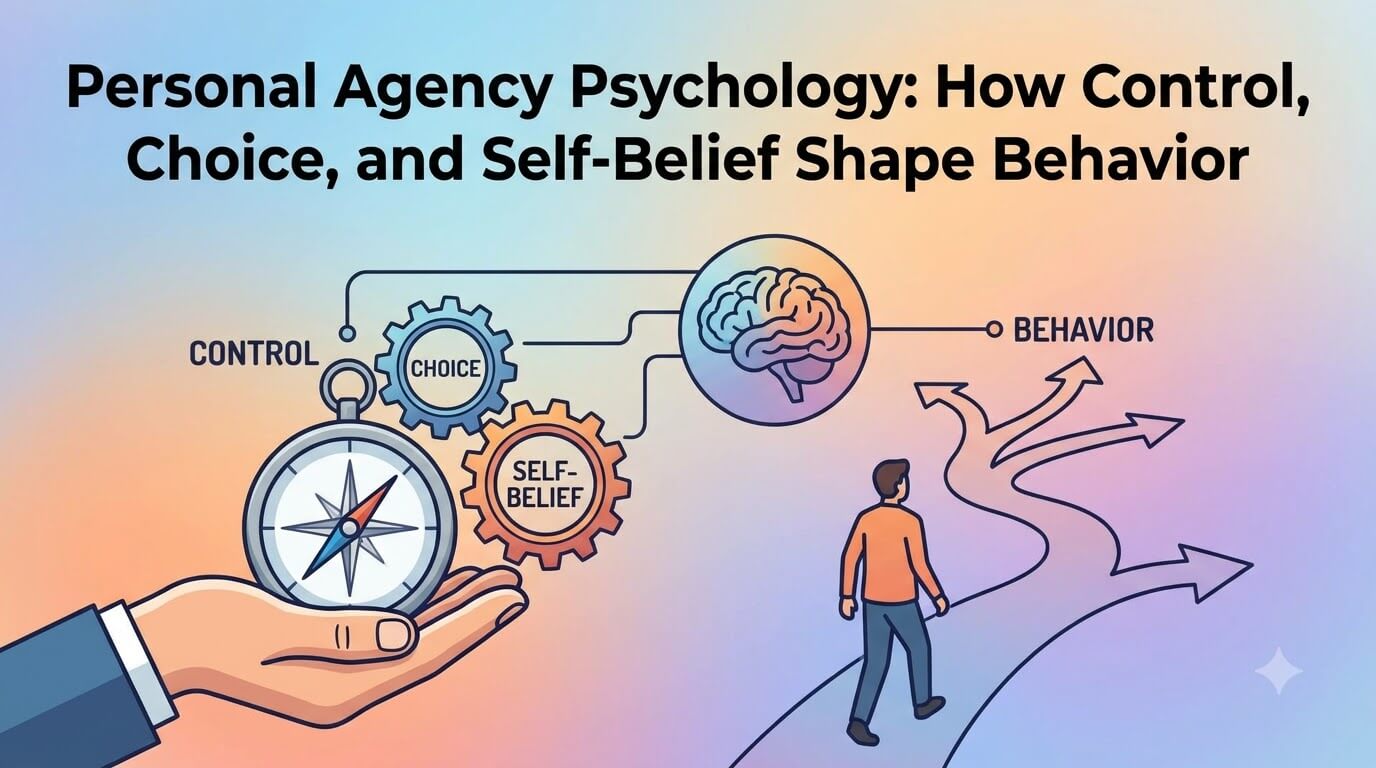
Personal Agency Psychology: How Control, Choice, and Self-Belief Shape Behavior thumbnail

You can want something badly and still feel unable to move toward it. You can also face a difficult situation, have only a few realistic options, and still feel able to choose a next step. That difference is central to personal agency psychology. Personal agency is not the belief that you control everything. It is … Read more

Collaborative Problem Solving Psychology: How Groups Solve Problems

Collaborative Problem Solving Psychology: How Groups Build Better Solutions Together thumbnail

A group can have smart people, useful experience, and plenty of ideas yet still struggle to solve a shared problem. One person may think the real issue is time, another sees missing information, and a third assumes the goal is different from what everyone else has in mind. The discussion then moves quickly into preferred … Read more