Group Norms Psychology: How Group Rules Shape Behavior

Group Norms Psychology: How Groups Create and Enforce Unwritten Rules thumbnail

You join a new team and notice that nobody challenges the manager in meetings. In a family, everyone knows which topics are “not worth bringing up,” even though no one has ever declared them forbidden. In an online community, newcomers quickly learn which jokes earn approval and which opinions trigger a cold response. These are … Read more
Group Cohesion Psychology: What Keeps Groups Together

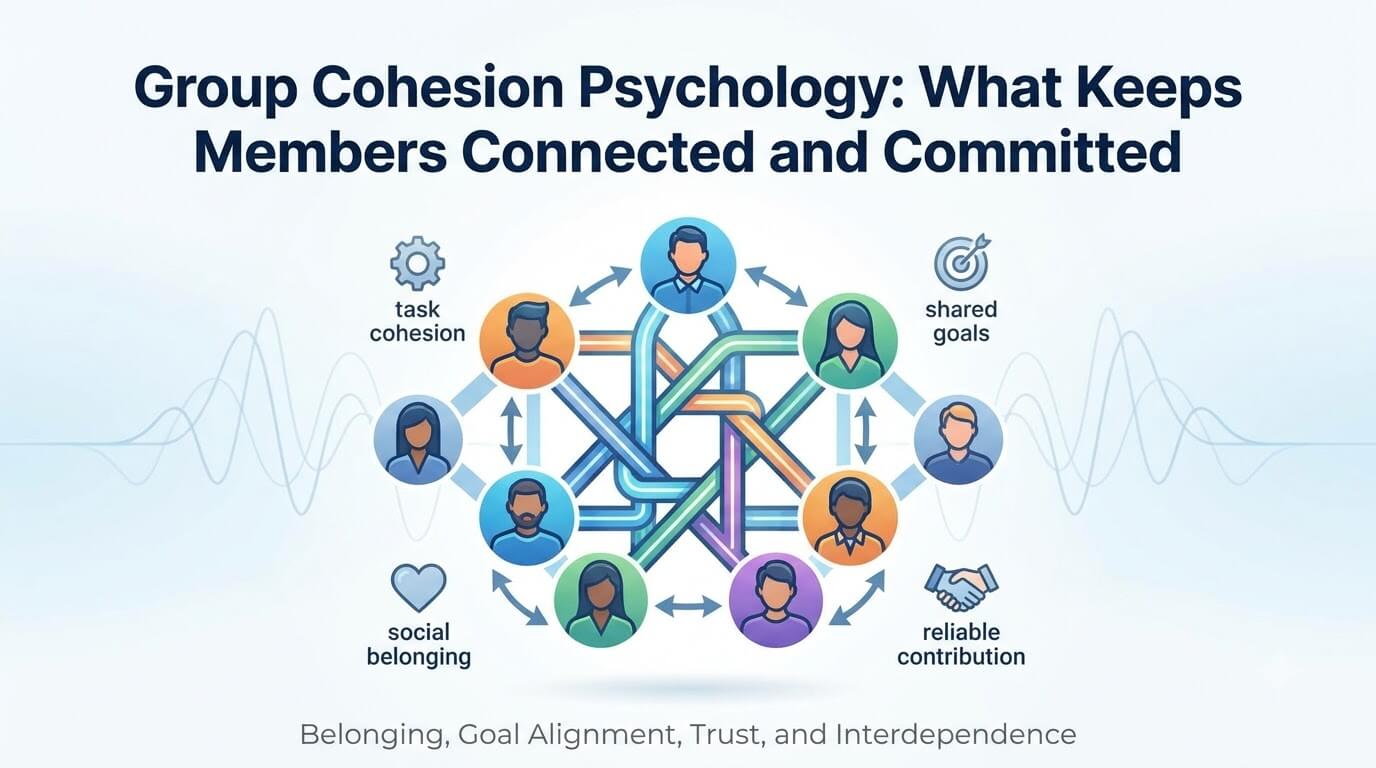
Group Cohesion Psychology: What Keeps Members Connected and Committed thumbnail

A group can look close from the outside and still feel fragile on the inside. Another group may not socialize much at all, yet its members reliably show up, coordinate well, and remain committed when the work becomes difficult. Group cohesion psychology helps explain this difference by looking at the forces that keep people connected … Read more

Conformity Psychology: Why People Follow the Group

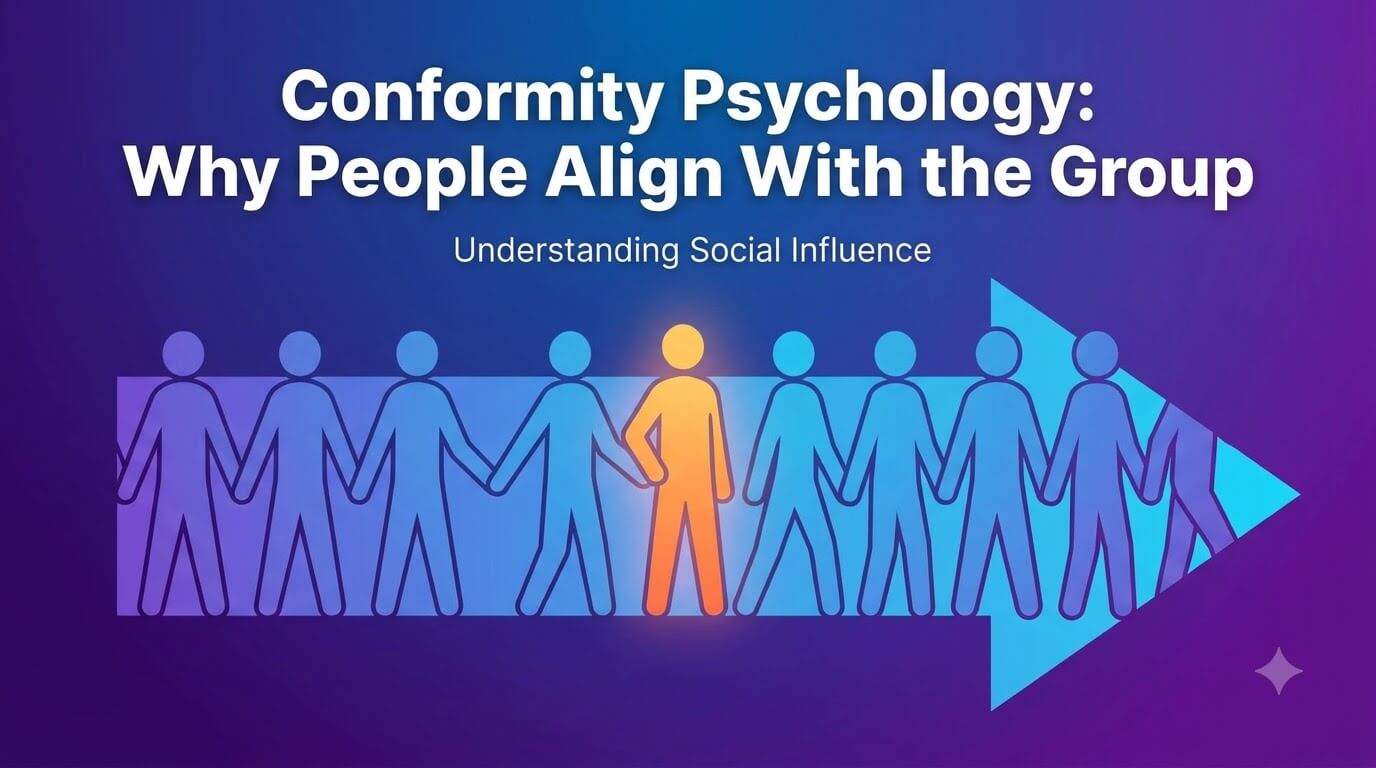
Conformity Psychology: Why People Align With the Group thumbnail

You are in a meeting where everyone seems enthusiastic about a plan you think is weak. You hear three friends praise a restaurant you did not enjoy, and suddenly your own judgment feels less certain. In a family, a familiar expectation is repeated so often that disagreeing starts to feel more socially costly than going … Read more

Self-Categorization Theory Explained Simply

Self-Categorization Theory Explained: Why a Group Identity Becomes Salient thumbnail

You can feel like a distinct individual in one moment and strongly like a member of a group in the next. A designer working alone may think, “How do I want to solve this?” In a meeting where designers and engineers disagree, the same person may suddenly think more in terms of “what we designers … Read more

Personal Identity vs Social Identity: Key Differences

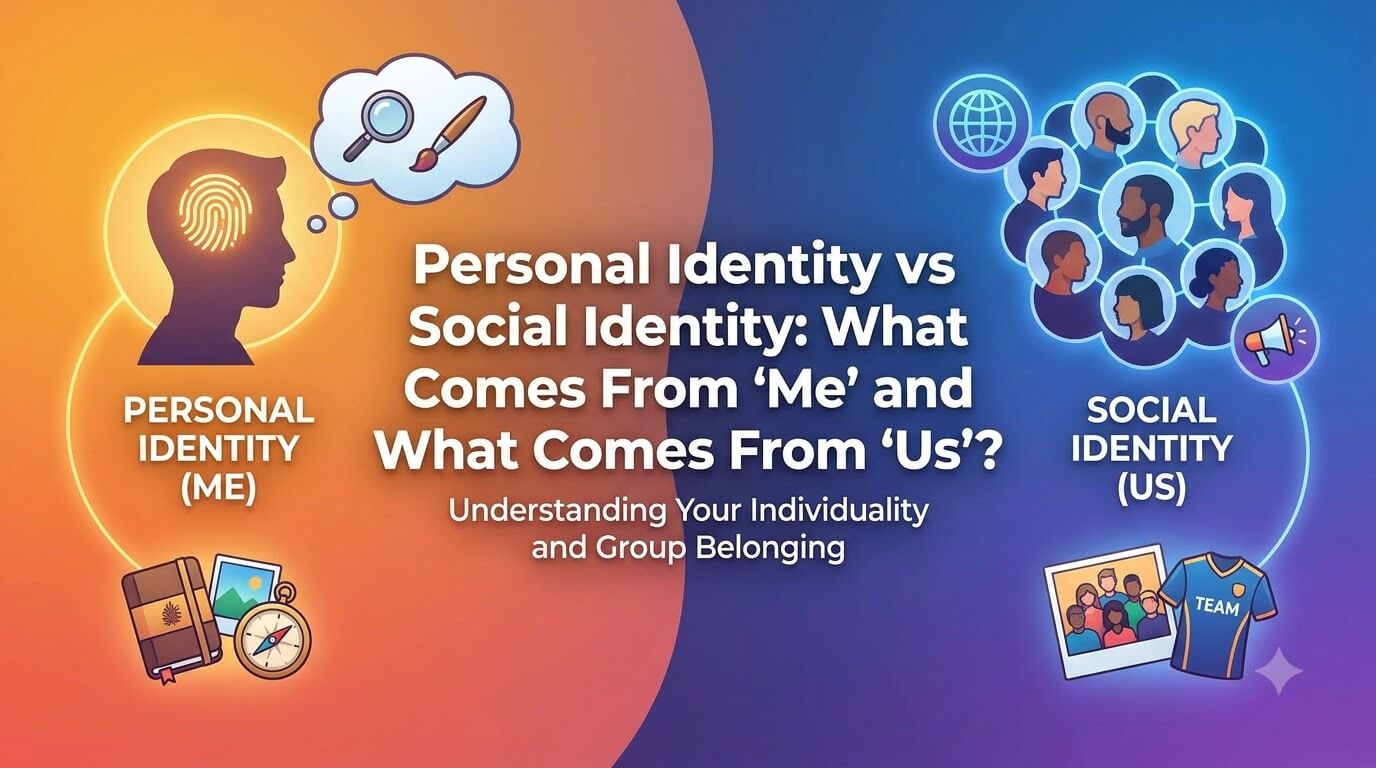
Personal Identity vs Social Identity: What Comes From “Me” and What Comes From “Us”? thumbnail

You may describe yourself one way when you are alone, another way at work, and another way around family or close friends. That does not necessarily mean you are inconsistent. Different settings can make different parts of the self more noticeable. A person can be curious, private, ambitious, a parent, an engineer, a football supporter, … Read more

Social Identity Theory Explained: How Group Identity Works

Social Identity Theory Explained: Why Group Membership Becomes Part of the Self thumbnail

You can feel like the same person at home, at work, with old friends, and inside a hobby community, yet different parts of who you are may come forward in each setting. Sometimes you think mainly as an individual. At other times, being a parent, teammate, profession member, local resident, fan, or community member becomes … Read more

Social Identity Psychology: How Groups Shape Who We Are

Social Identity Psychology: How Groups Shape Who We Are and How We Act thumbnail

You may feel like the same person at home, at work, with close friends, in a sports community, or inside an online group. Yet the version of you that becomes most noticeable can shift with the setting. A quiet person may become outspoken when defending a team. Someone who disagrees privately may still stay silent … Read more

Attribution vs Locus of Control: Key Differences

Attribution vs Locus of Control: What Is the Difference? thumbnail

Attribution and locus of control are easy to confuse because both involve explanations about causes, control, and outcomes. The difference becomes clearer when you notice the question each concept is answering. Attribution asks, “Why did this particular event happen?” Locus of control asks, “What do I generally expect to determine outcomes in my life?” That … Read more

Defensive Attribution Psychology Explained

Defensive Attribution Psychology: Why Threatening Events Change How We Assign Blame thumbnail

When we hear about someone else’s misfortune, we do more than ask what happened. We may also ask, often quietly, “Could that happen to me?” That second question can change the first. If an event feels frightening, unpredictable, or uncomfortably similar to our own life, assigning more responsibility to the person who suffered it may … Read more

Why People Blame Others: Psychology of Blame

Why People Blame Others: How External Attribution Shapes Conflict thumbnail

When something goes wrong, assigning blame can feel almost automatic. A missed deadline becomes “they were careless.” A tense conversation becomes “they wanted to provoke me.” A failed group project becomes “the others did not do their part.” Sometimes those explanations are accurate. Other times, they leave out context, exaggerate intention, or protect us from … Read more