Implicit Bias Psychology: What It Means and Measures
Implicit Bias Psychology: What Automatic Associations Can and Cannot Tell Us thumbnail

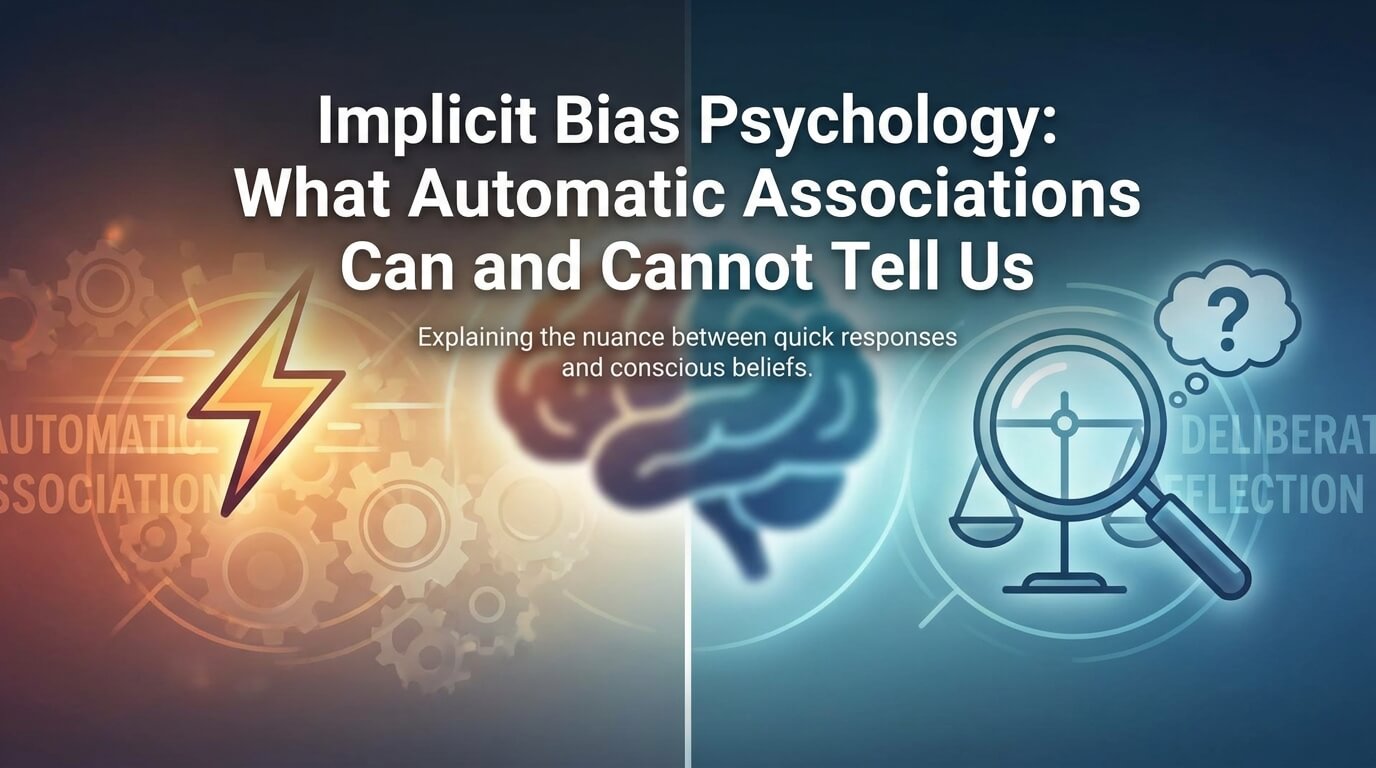
Implicit bias is often discussed as though it were a hidden verdict about character. That framing is too simple. In psychology, the more useful question is whether social categories have become linked with evaluations or expectations that become accessible quickly, sometimes before deliberate reflection. Those associations matter because judgment is not made in a vacuum. … Read more
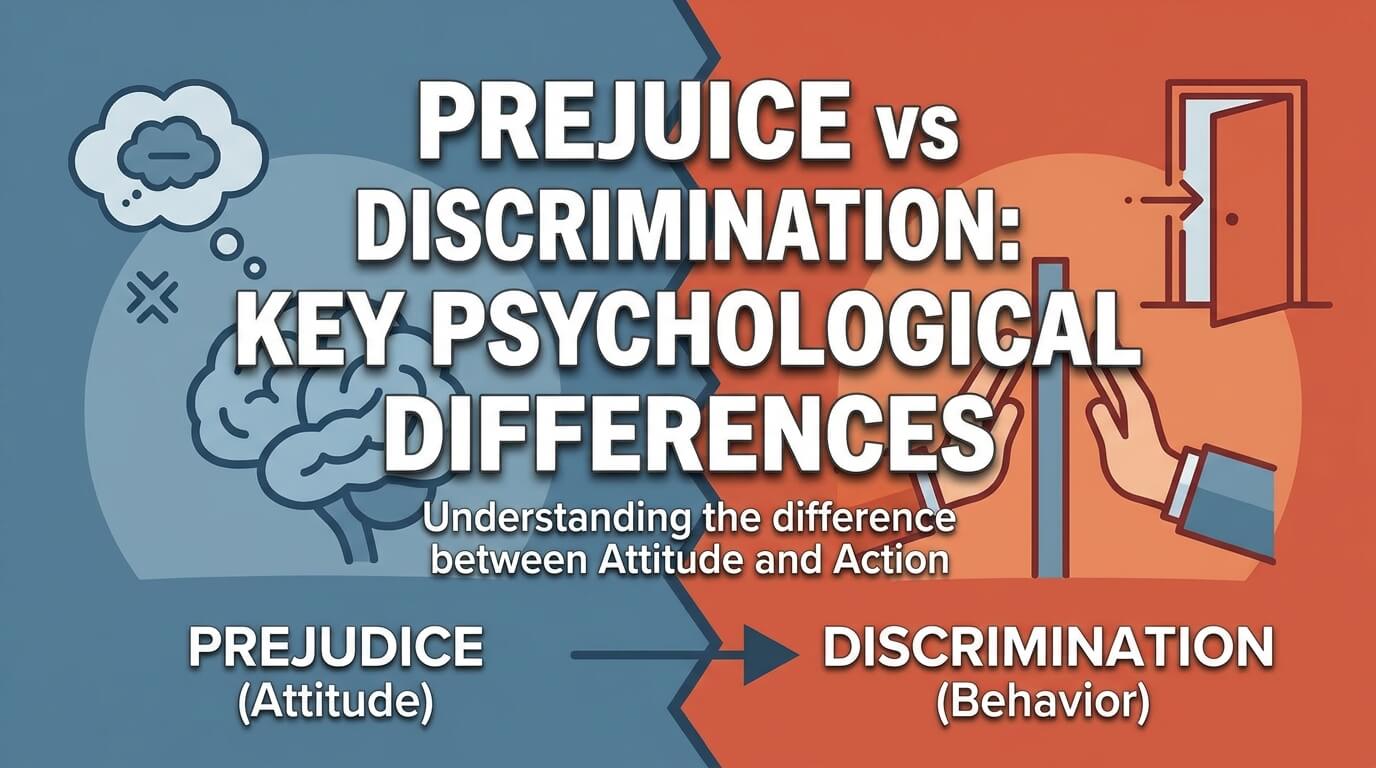
Prejudice vs Discrimination: Key Differences

Prejudice vs Discrimination: Key Psychological Differences thumbnail

Prejudice and discrimination are often spoken about as if they were two names for the same thing. Psychologically, they describe different parts of a social process. Prejudice concerns evaluation: how a person feels about, judges, or orients toward someone because of perceived group membership. Discrimination concerns behavior or treatment: what a person, group, or system … Read more

Stereotype Psychology: How Group Expectations Form

Stereotype Psychology: How Group Expectations Form and Persist thumbnail

Knowing only someone’s profession, school, neighborhood, age group, hobby community, or organization can still trigger a detailed expectation about what that person will be like. Sometimes this is loose shorthand. Sometimes it becomes a rigid shortcut that competes with the evidence in front of you. In psychology, stereotypes are generalized beliefs, expectations, or associations connected … Read more

Prejudice and Stereotyping Psychology: How Group Bias Works

Prejudice and Stereotyping Psychology: How Group Bias Shapes Judgment and Behavior thumbnail

People often use the words stereotype, prejudice, bias, and discrimination as if they describe the same thing. They do not. Psychology separates them because a belief about a group, an emotional evaluation of that group, an automatic association, and a decision about how to treat a person are different psychological events. That distinction matters in … Read more

Why People Help Strangers: Psychology Explained

Why People Help Strangers: The Psychology of Helping Without Familiarity thumbnail

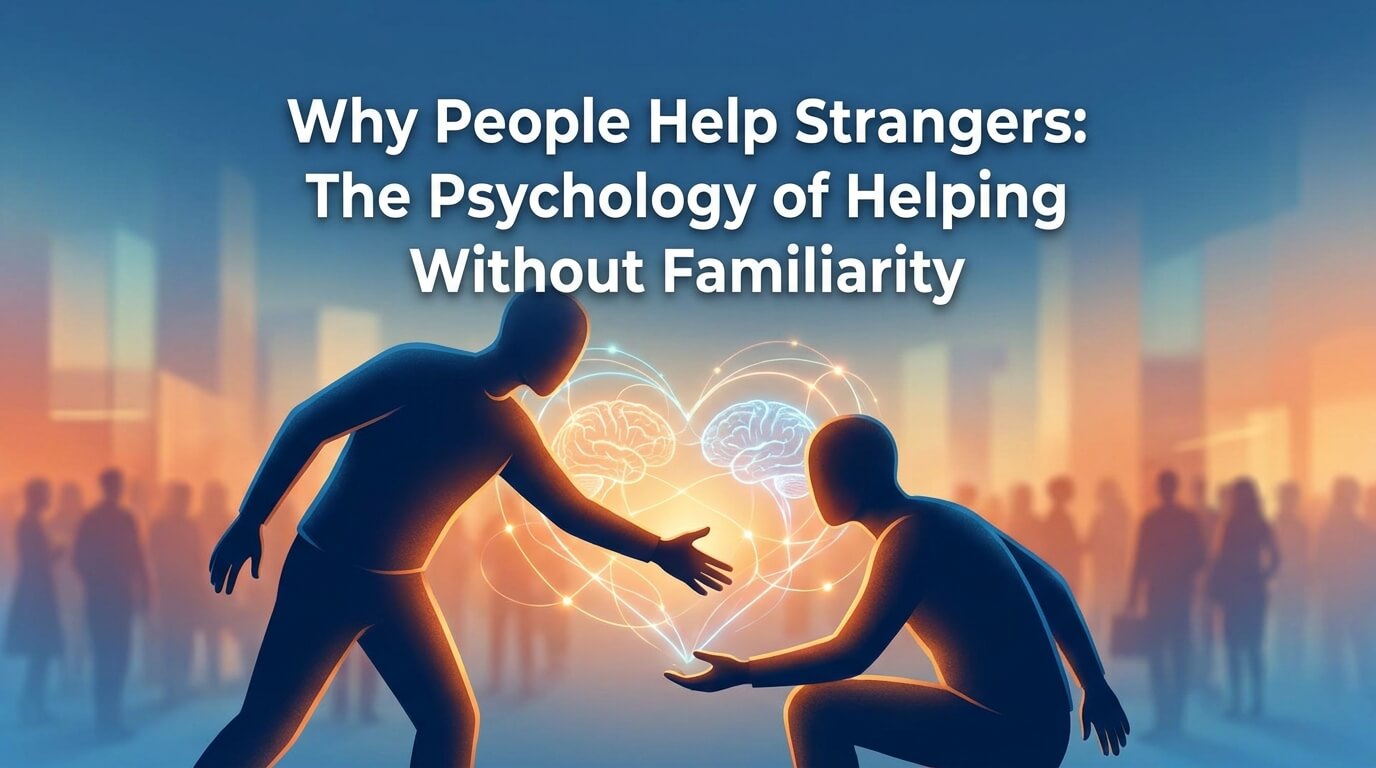
A stranger drops a bag of groceries and someone stops to help. A traveler gives directions to a person they may never see again. A commuter notices someone looking faint and asks whether they need assistance. These everyday moments are psychologically interesting because the helper has little relationship history to rely on. There may be … Read more

Prosocial Norms Psychology: How Helping Becomes Expected

Prosocial Norms Psychology: How Social Expectations Shape Helping and Cooperation thumbnail

You may be more likely to help when everyone around you is already helping. You may feel more responsible when a family, workplace, or community treats helping as something people are expected to do. You may also hesitate when nobody else responds, even though no one has explicitly told you to stay uninvolved. These are … Read more

Social Dilemmas Psychology: Why Cooperation Fails

Social Dilemmas Psychology: When Individual Incentives Conflict With Collective Good thumbnail

A group of people can all value the same outcome and still make choices that gradually undermine it. Everyone wants the shared kitchen to stay clean, but each person is tempted to leave one small mess because cleaning takes time. Everyone wants a group project to succeed, but each member knows they can benefit if … Read more

Social Exchange Theory Psychology Explained

Social Exchange Theory Psychology: Rewards, Costs, Alternatives, and Dependence thumbnail

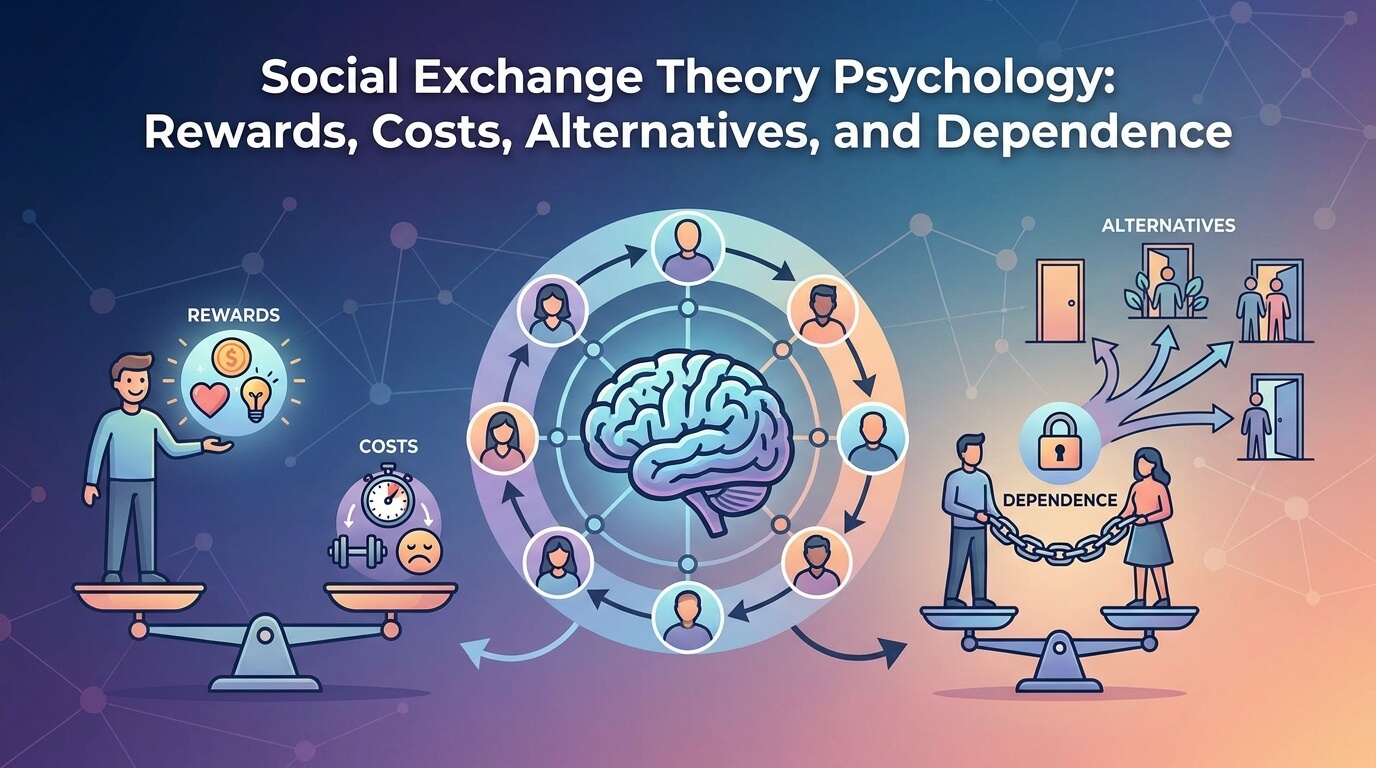
Why do people keep investing in some social relationships but pull back from others? Why can the same favor feel worthwhile to one person and draining to another? Why might someone remain in an exchange that is not especially satisfying, while another person leaves a seemingly positive arrangement because better options are available? Social Exchange … Read more

Cooperation vs Competition Psychology

Cooperation vs Competition Psychology: How Goal Structures Change Behavior thumbnail

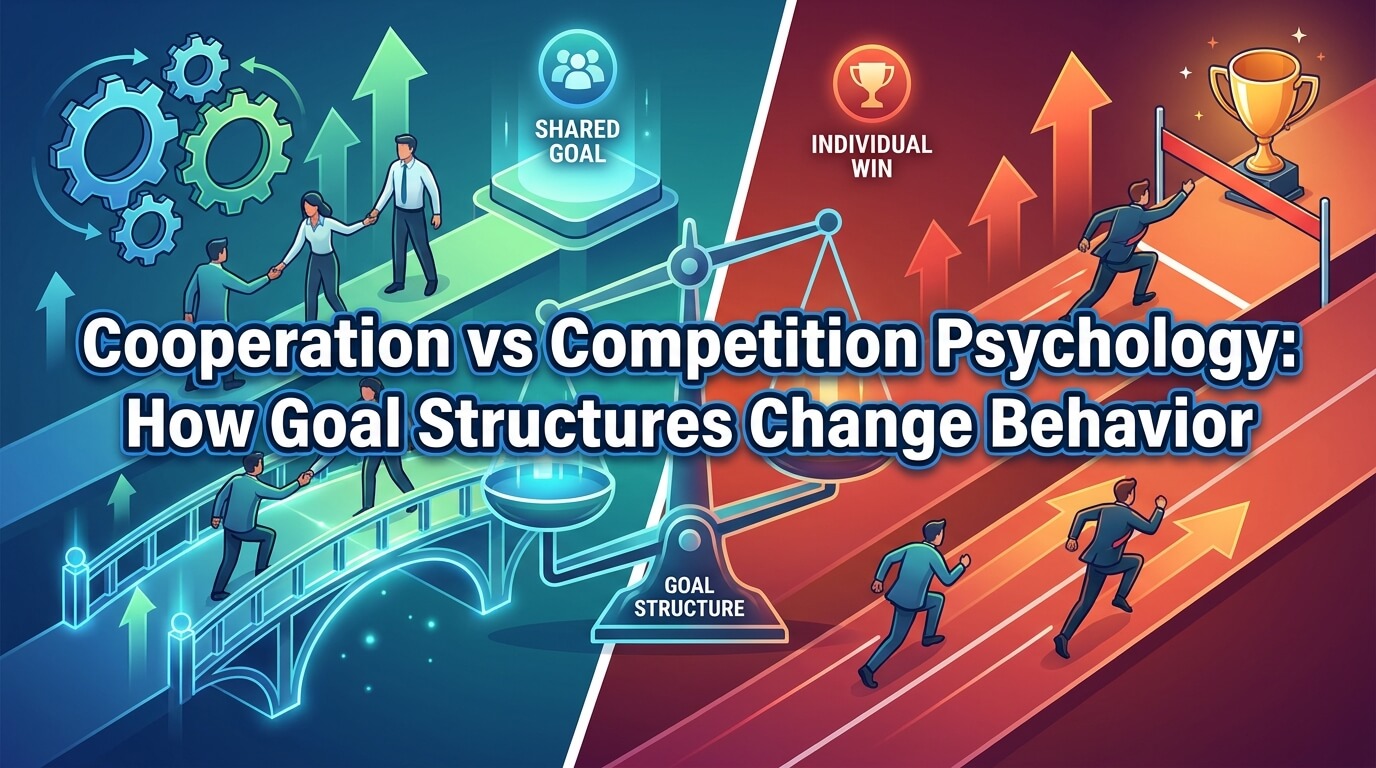
Two people can behave generously in one setting and competitively in another without becoming different kinds of people. Teammates may share every useful idea while preparing a group presentation, then compete against one another for a single scholarship. Coworkers may cooperate to serve a client while simultaneously comparing performance rankings. Even friends can become more … Read more

Cooperation Psychology: Why People Work Together

Cooperation Psychology: Why People Coordinate Toward Shared Goals thumbnail

Two people can want the same result and still work badly together. A family may agree that household tasks need to be shared but keep missing responsibilities. Classmates may all want a strong project grade yet duplicate work because nobody clarified roles. Neighbors may support a community event while assuming someone else will handle the … Read more